If you’ve got condensation building up inside your camper overnight, this quick guide can help explain why, how to stop it, and what could go wrong if it’s left unchecked.
Waking up with condensation on your campervan’s windows is a pretty normal experience for a lot of us, especially if we’re enjoying some off-season camping during the colder months.
While it’s normally just a minor irritation, and one more thing to take care of before we’ve properly woken up, a build-up of condensation can cause serious damage to your campervan over time, and can even lead to a build-up of mould which can seriously impact your health.
Luckily, it can be really easy to limit the level of condensation which builds up in your camper, and there are plenty of ways to banish it when it does form.
By tackling the build-up of condensation in your camper as and when it appears, you won’t need to worry about it leading to mould and making you ill.
Jump to:
Why Does My Camper Get Condensation?
How Can I Stop Condensation Forming in My Camper?
Can Condensation Damage My Campervan?
Why Does Mould Appear in My Camper?
How Do I Keep My Camper from Getting Damp and Mouldy?
Will My Insurance Cover Damage from Mould or Damp?
A Quick Summary
Why Does My Camper Get Condensation?
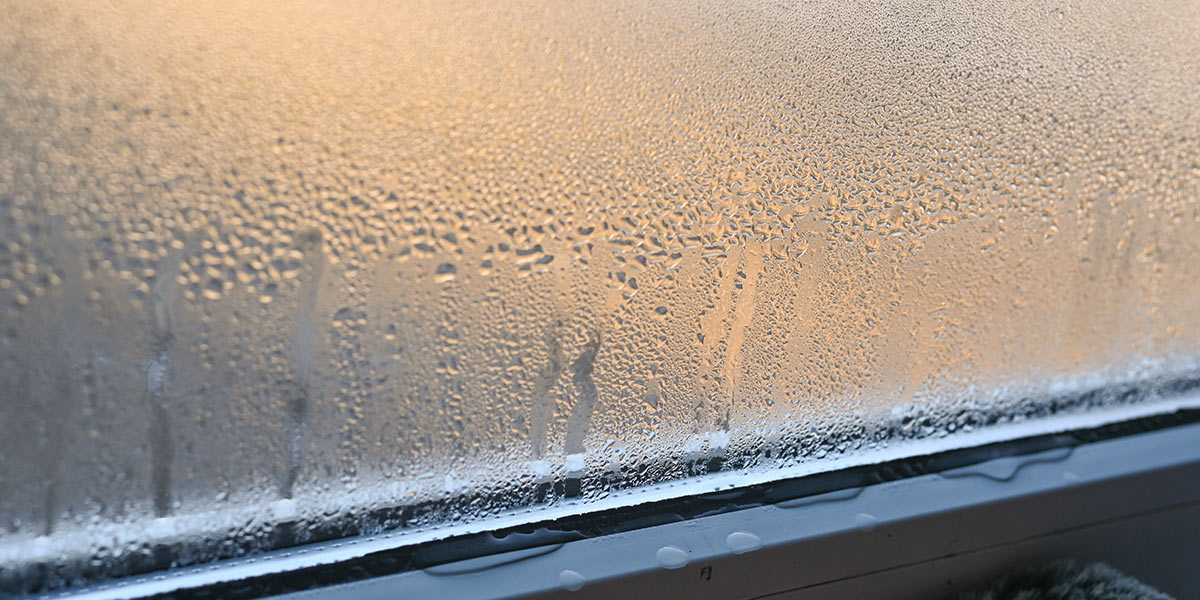
It’s normal for condensation to build up in your camper, especially over night while you’re sleeping in your vehicle.
Condensation is caused by warm air, which can carry a lot of moisture in it, coming into contact with a cool surface.
As the warm air cools down, it loses some if its ability to carry that moisture, which is the deposited on the cool surface. This warm, moist air can build up inside your camper for a few different reasons, including:
Sleeping in a poorly ventilated campervan
While you’re tucked up in your camper for a peaceful night of sleep, you’ll be breathing out warm, moist air and potentially sweating.
If you’ve not got enough airflow in and out of your camper (because you’ve closed all the windows against the cold outside) this can lead to the perfect conditions for condensation to form on the windows of your camper.
Cooking and heating water
If you’re boiling water for cooking or just making a cup of tea, you’ll be releasing a huge amount of steam which is very likely to come into contact with the much colder windows of your camper and form condensation.
Storing wet clothes or equipment
Rain during a camping trip is basically inevitable if you’re away in the UK, and with a lot of us going camping near beaches and lakes, it’s not uncommon for us to get back to our campervan with wet clothes, jackets, towels, swimsuits, or sports kit.
Keeping this stuff inside your camper while it’s still wet may be your only option, but it will lead to a sharp increase in the amount of condensation you see building up inside your vehicle.

How Can I Stop Condensation Forming in My Camper?
A lot of people want to know what they can do to prevent condensation from building up inside their camper, and fortunately there are quite a few different ways to do so. The two main routes are:
• Limiting the amount of moisture inside your campervan, and
• Reducing the cool surface area which warm, moisture can come into contact with.
Starting with the ways that you can reduce how much moisture there is in your camper, here are a few different tricks we’ve picked up over the years.
How to help reduce the moisture in your camper
Here’s a few of the key ways that you can help to limit the amount of moisture inside your camper, as a key way to reduce the build-up of condensation.
Make sure your campervan is properly ventilated
If you’ve got a good flow of air moving into and out of your campervan, then you’re far less likely to get a serious build-up of condensation.
Not only will you help to reduce the difference in temperature between the inside of your camper and the outside air, but you’re also giving the warm air in your vehicle somewhere to go other than cooling down on your windows.
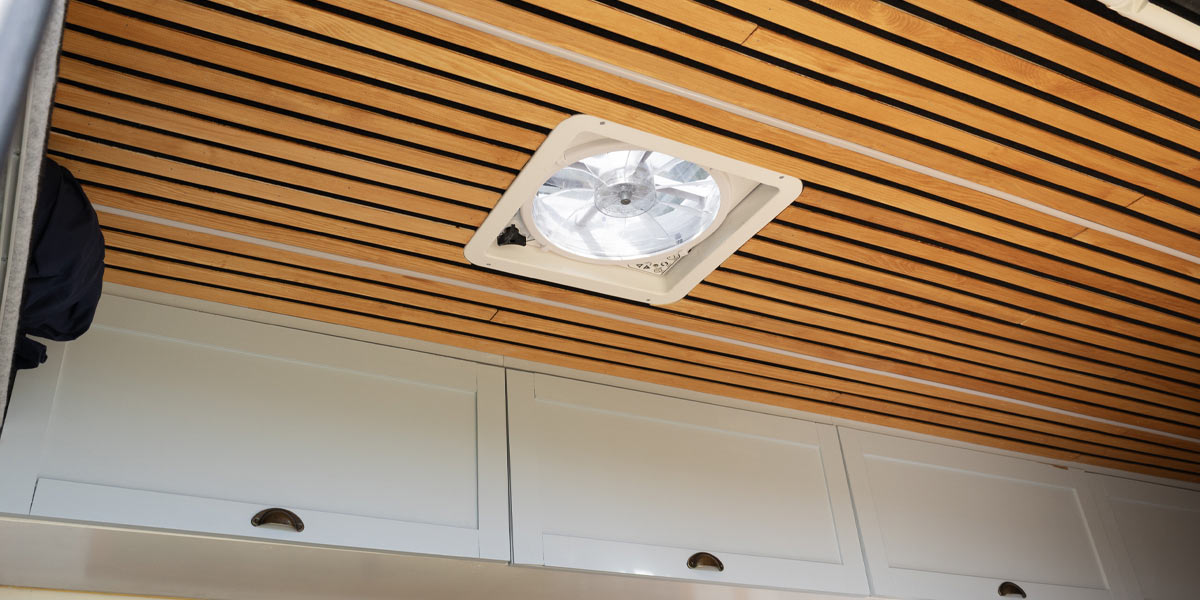
Since warm air rises, a huge amount of campervans will feature a roof vent, which allows moist air to flow (or be blown) outside before it can cause problems in your vehicle. Many of these roof vents can be wired into your camper’s electrical system, to allow a powered fan to suck the warm, moist air out if your camper, and to draw in cooler air which can’t carry as much moisture in it.
Our sister company Just Kampers has some great campervan roof vents available, as well as helpful information about selecting, fitting, and using them.
If you’ve got a classic camper without a roof vent, and don’t want to cut into the roof of your camper to install one, then slightly opening quarterlight windows, sliding windows, or even louvered windows can help improve your ventilation without being open enough to be a security risk.
Use lids when cooking indoors
If the weather isn’t good enough for you to cook outdoors, and you’re using your campervan’s kitchen area, then try to reduce the amount of steam which escapes from your pots and pans by using their lids whenever possible.
Again, proper ventilation while you’re cooking or making a tea is really important, so keep those windows open while you’ve got water boiling or pots bubbling to prevent that moisture from cooling on your windows and other cold surfaces.
Remove moisture as it builds up
If you’re using pot lids, have all your windows cracked open, and are still struggling with condensation building up inside your camper, then it’s important to remove it as and when you see it.
Use an absorbent cloth or paper towels to soak up the water on your windows, and then either dry the cloth outdoors or throw the paper towels away in an outside bin.
Either way, it’s important to make sure that the water that you’ve collected is disposed of outside your camper, and the wet cloths and towels aren’t left inside to release the water back into your vehicle!
If you’re looking for a more passive approach, then a moisture trap is a great idea, as they can be left somewhere out of the way and will absorb water from the air and keep it trapped inside until you can empty it.

How to prevent moisture forming condensation in your camper
The following are a few of the easiest and most effective ways that you can limit the areas in which condensation is likely to form.
Properly insulate your campervan
If you’re still in the process of converting your van into a camper, then this advice is especially important for you! As we’ve covered already, condensation forms when warm, moist air comes into contact with a cool surface where the air cools down, loses some of its ability to carry moisture, and deposits that moisture on the cool surface.
You can dramatically reduce the number of cool surfaces in your camper by fitting proper insulation. This works by providing a barrier between the cold metal sides, roof, or floor of your vehicle and the nice warm air inside.
The body of your camper will become cold during the night, since metal is such a good conductor of heat, so any exposed metalwork is likely to see moisture forming on it, which can lead to rust or even mould (as we’ll cover a bit later on).
Just Kampers, our sister company, has a great range of sound-deadening insulation available, plus fitting videos on how to properly install insulation in your camper.
Fitting insulation is much easier while you’re converting your campervan than it is if you’ve already got all your furniture and other kit fitted, but it can absolutely be worth the time, hassle, and expense to empty out your camper to fit insulation if you find you’re really struggling with condensation building up.
My colleague Mat has written a whole article about insulating your camper, which you can read here.
Use thermoscreens on your windows
Insulation doesn’t really work on windows, for obvious reasons, but there are still steps that you can take to help stop condensation forming on your windows.
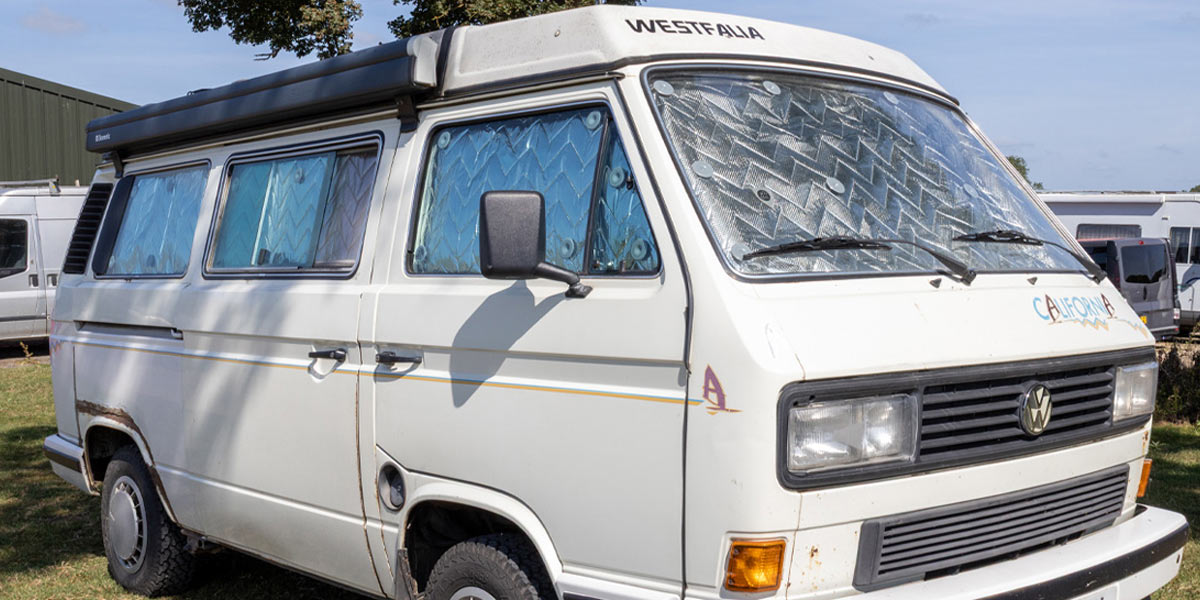
The quickest and easiest thing to do is to fit a set of thermoscreens to the outside of your camper’s windows, or thermo mats to the inside of the windows.
These each work by creating an insulating barrier over your window glass, but go about it in different ways.
External thermoscreens
External thermoscreens create a barrier between the glass and the cold outside air, which can help to stop the glass from becoming so cold.
Not only will this stop the windows from leeching heat out of your camper, but it will also reduce the temperature difference between the glass and the warm air inside your vehicle, making condensation less likely to form.
Internal thermoscreens
Internal thermo mats create a barrier between the glass and the warm air inside your camper, which helps to stop that warm, moist air from coming into contact with the windows and forming condensation.
They’ll also work brilliantly at helping you keep the warmth inside your camper so that it doesn’t get nearly so cold overnight.
Our sister company, Just Kampers, have created their own range of insulated thermoscreens and thermo mats, which are tailored to the correct size and shape of different windows in different vehicles and work brilliantly.
If you really want to make sure your windows don’t form condensation overnight, you can fit internal and external thermomats, so that warm air isn’t touching the glass on the inside and cold air isn’t touching the glass on the outside!
Can Condensation Damage My Campervan?
The short answer is that yes, condensation can cause real damage to your camper if it’s left unchecked.
If condensation is building up where you can’t get to it, or just won’t notice it, then the build-up of water can lead to rust in your camper’s body, and also to mould if your camper’s soft furnishings or wooden surfaces are left wet for extended periods of time.
This is why tackling condensation, and preventing it from building up in the first place, is so important. If left unchecked it can lead to the body of your camper becoming rusty, and the camping furniture and other components becoming rotten and mouldy.
Speaking of mould…
Why Does Mould Appear in My Camper?
Mould loves to grow in dark, damp, and poorly ventilated areas, and it’s easy for your campervan to become a haven for mould if you’re not careful.
If your camper has a problem with condensation and you don’t stay on top of drying it away as quickly as possible, then that water will trickle downwards and get an even larger area of your interior damp. Over time (and it’s often not a lot of time!) this moisture can create an ideal environment for mould to build up.
This mould then causes two major problems, affecting your health and damaging your camper’s interior.
Is Mould in My Campervan a Problem?
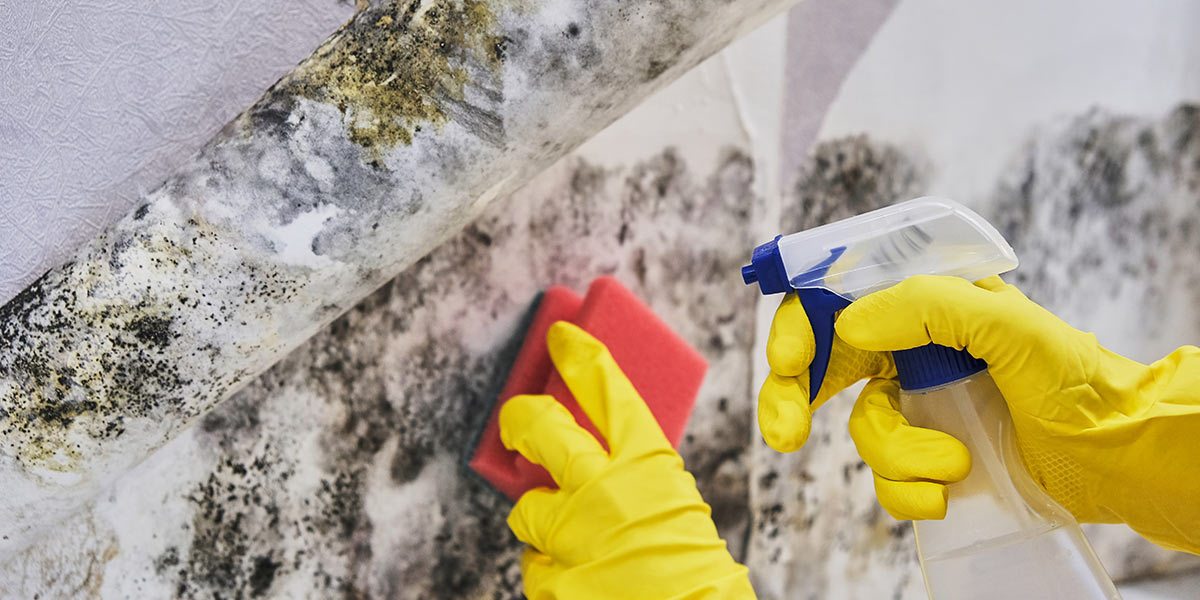
A build-up of mould in your camper can have a serious impact on your health, as the mould spores spread and become airborne irritants.
Mould in your camper can lead to coughing, wheezing, shortness of breath, irritation to your eyes, nose, and throat, and even skin reactions. This is even more serious for people with allergies or asthma, but any of these health effects can lead to a dramatically less enjoyable time away in your camper!
How Do I Stop Mould Growing in My Camper?
Stopping mould from building up in your camper can be pretty straightforward, as long as you stay on top of it.
As we’ve already discussed in this article, it’s hard to overstate how important proper ventilation is for any campervan. Since mould thrives in dark, damp spaces which don’t have proper ventilation, you can massively reduce the chances of it growing in your camper by regularly airing out your camper’s interior.
It’s also worth taking the time to check the interior of your campervan for any hidden areas which might be dark and damp enough for mould to flourish, and either regularly cleaning them, ensuring they get properly ventilated, or even sealing them off.
This can hugely reduce the number of places where mould can take hold, and help you to spot it early if mould is beginning to develop.
Will My Campervan Go Mouldy While It’s in Storage?
Your campervan might develop mould if you don’t take the proper precautions before putting it into storage, but it can be pretty easy to stop this from happening.
As I’ve noted so many times in this article, proper ventilation is vital to ensuring that moisture doesn’t build up inside your camper, which will then prevent mould from taking hold.
Regularly checking the interior of your vehicle while it’s in storage, and using moisture traps and breathable vehicle covers, are great ways to keep the moisture levels inside your campervan to a minimum, which will then make mould less likely to develop.
How Do I Keep My Camper from Getting Damp and Mouldy?
Whether you’re keeping your campervan on the driveway or in a garage, there are a few simple steps that you can take to stop moisture from building up inside, and mould from following on afterwards.
A few of the simplest steps you can take include:
• Leaving windows open a crack, which is easier to do if you’re storing your camper indoors than if you’ve got it parked up outside.
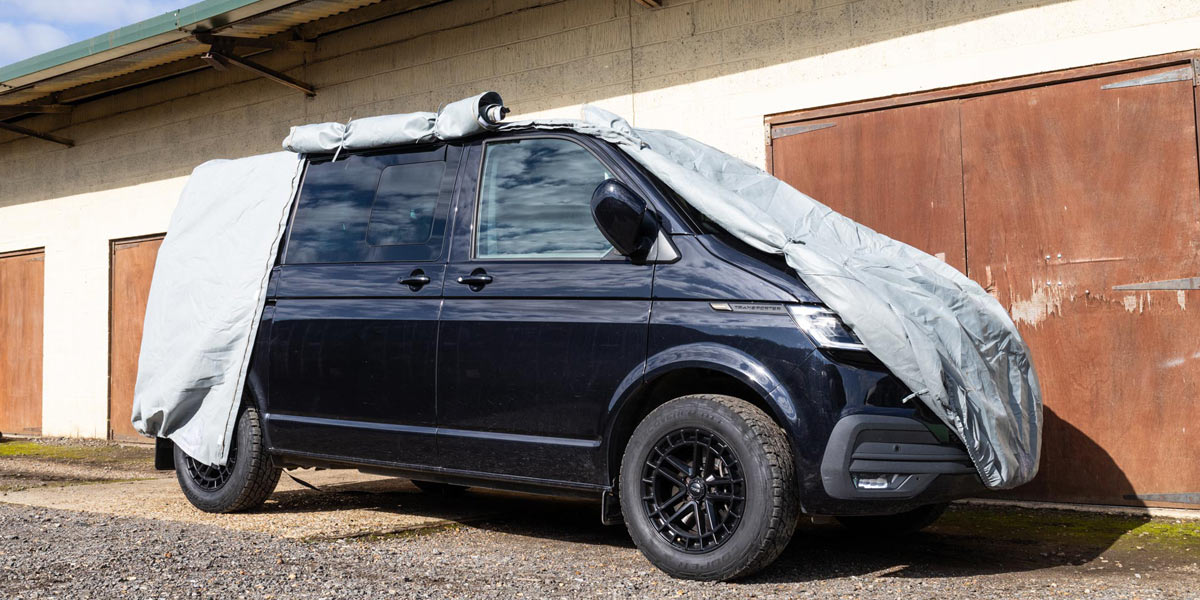
• Using a breathable vehicle cover if you’re storing your camper outdoors. This will allow you to keep your windows open a crack without rain or snow getting inside, and also lets cool, dry air pass into the camper and any moist air to escape from inside.
• Place a moisture trap inside your camper before you leave it, to collect any condensation or other water which begins to build up inside. It’s just as important to remember to check and empty the moisture traps regularly, though, to avoid having water trapped inside your vehicle.
• Open up the doors and windows regularly while it’s off the road, to give the interior some thorough ventilation. This is just as important if your vehicle is being stored indoors, too.
• Take a look at the interior of your camper at intervals while it’s in storage, to check that moisture and condensation isn’t building up and causing problems. Remember to look in those dark, poorly ventilated areas we mentioned earlier, to spot any water or mould as quickly as possible.
Will My Insurance Cover Damage from Mould or Damp?
In most cases you’ll find that your vehicle insurance does not cover damage to your campervan caused by mould, damp, condensation, and similar.
These issues generally fall under general wear and tear, and are an expected part of owning and using a campervan, in much the same way as your driver’s seat becoming worn or your camper’s exterior getting scuffed. It’s a normal part of enjoying your camper, and it’s down to you to minimise the risk by following steps like those listed above, as you would by fitting a seat cover or parking carefully.
There may be instances where damage from damp would be covered, for example if it was caused by unexpected flooding which affected your campervan, but it’s best to check for exceptions like this with your insurer, to get the most accurate information possible.
If your camper is insured with Just Kampers Insurance, you can contact our friendly team of experts on 01256 44 45 46 or email us at [email protected]
A Quick Summary
Hopefully this guide to preventing condensation and mould in your camper has been useful, and you’re now feeling more confident in keeping the interior of your camper warm, dry, and free of mould.
Remember to keep your interior dry, ensure you’ve got proper ventilation as often as possible, and have tools like thermomats, breathable covers, and moisture traps available if you need them.
You’ll find loads more helpful guides like this, as well as fantastic deals on insurance for your camper, here at Just Kampers Insurance.