In this guide, we compare campervans and tents, looking at the pros and cons of each and when one might suit you better than the other.
A staple tradition of the British holiday, camping in any form whether motorised or not – has been around for years. For just as long, the argument as to which is better, camping with a tent or campervanning (and even caravanning) has created healthy and lively discussions by those passionate for the outdoors.
Here at Just Kampers Insurance, we’ve been insuring camper vans since 1998, and have built a strong reputation for being passionate about campers – particularly classic or modern VWs. In fact, most of our team owns at least one kind of VW camper themselves. However, we’re setting aside our love of VWs to take a broader look at the outdoors market, giving you the essential information you need to decide which option is right for you.
Defining Campervans
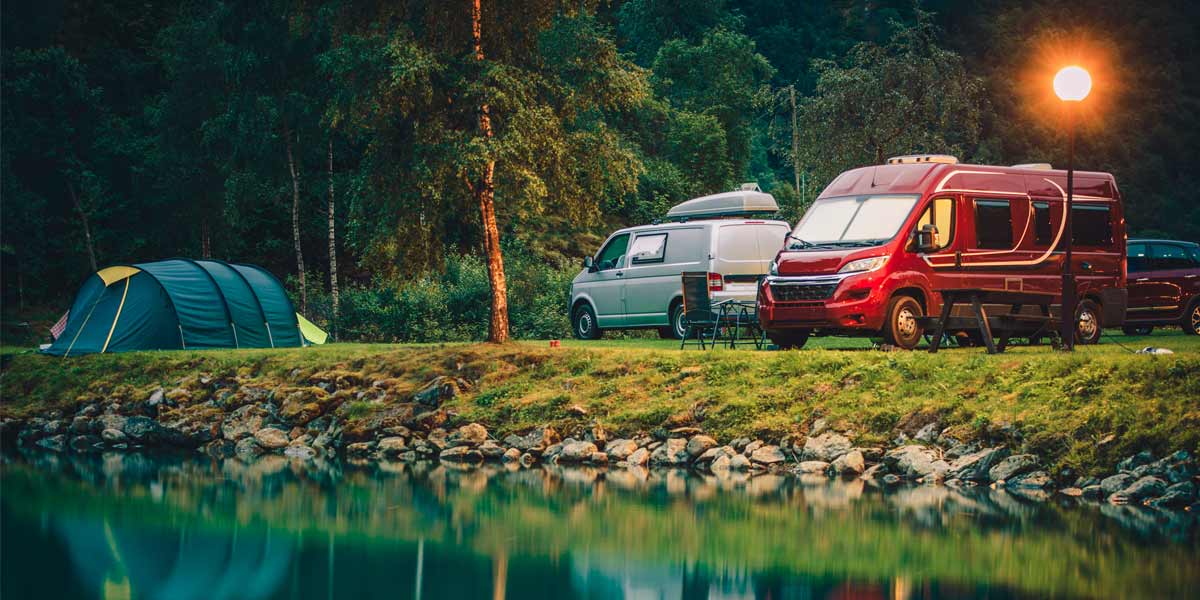
Often when we discuss campervans, the likes of motorhomes and other luxury touring vans can seem interchangeable. But to simplify this guide, we’re expanding our definition of a campervan. Therefore, any vehicle where the living space and driving space is combined can be considered a campervan – just for the purpose of this article.
In fact, there are several differences between campervans and motorhomes, such as speed limits, or the kinds of equipment available. And the two are very different from an insurance perspective too.
Tents: Small but Mighty
Modern tents have come a long way, and are now highly engineered bits of kit. For many years, they’ve been the go-to choice for explorers, adventurers, and those who enjoy the simpler things in life. Perfect for space-saving holidays, tents are lightweight, easy to pack up, and quick to set up almost anywhere. Plus, they keep costs low, making them ideal for budget-friendly trips or spontaneous getaways.

Which is more flexible, camping in a tent or a campervan?
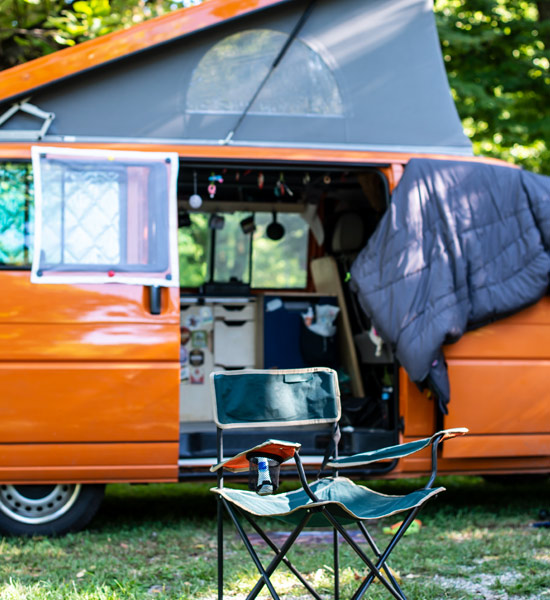
When on holiday, the last thing you want is a lot of work and hassle before you can settle and rest. The level of mobility and flexibility you can enjoy from camping or campervanning will vary depending on your preferences. But it will also be impacted by your confidence as a driver, as tents can be easily stowed in the boot or backseat of a car, whereas a camper requires careful driving, especially on winding or narrow roads.
Travelling with a Tent
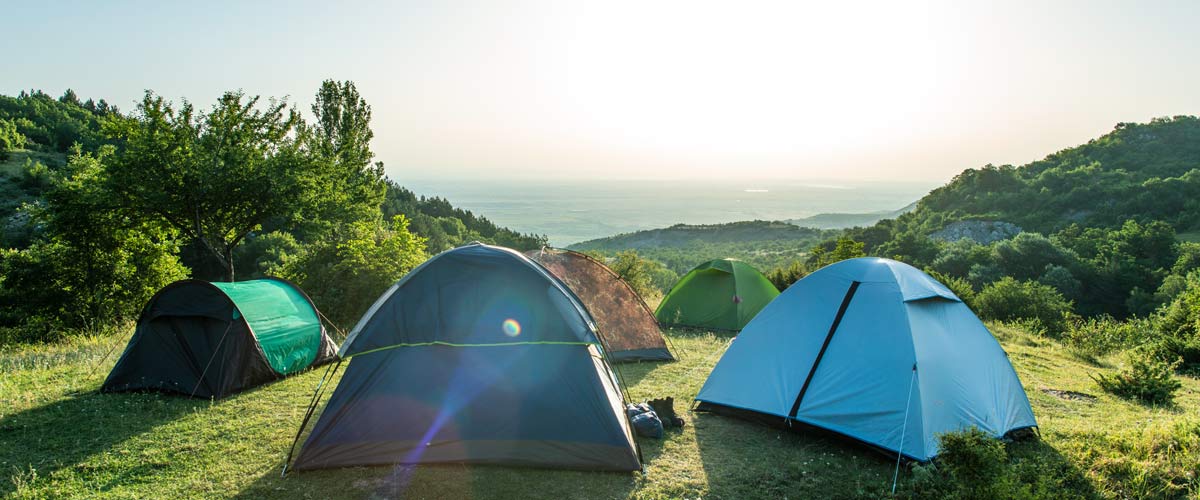
If you’re on a long trek or a holiday where you’re moving around a lot, and not staying in one location for long, a tent will probably be your best choice. Once it’s set up, a tent doesn’t need much more attention. Just pitch it, make yourself comfortable, and you won’t need to pack it away again until you move on.
Certain high-performance tents weigh less than 2kg and pack downn to a size smaller than a water bottle (excluding poles), so you can travel light and stay flexible. They’re compact, portable, and ideal for saving space on the go.
That said, the experience can quickly change if the British weather turns against you. Heavy rain, strong winds, or even cold temperatures can make life in a tent much more challenging. While they are great for your budget and flexibility, they offer less protection from the elements, which is something to think about when you’re planning a getaway.
Travelling with a Campervan
Campervans are fantastic for their park up and unpack ability. You can simply park your campervan and then enjoy the convenience of having your living essentials and home comforts, including food, stored in the back. Even better, the time taken to set up your camper is often minimal if you’ve prepared it beforehand.
Campers are also ideal for year-round trips. With heating and solid shelter, a campervan protects you from the elements, whether it’s the scorching sunlight or pouring rain.
The only drawback is, when you drive off to explore the local area, you will need to ensure everything is secured down and packed away before leaving. Depending on how many supplies you travel with, this process can be painless.
To overcome this, some families choose to take a car with them as well and park their campervan at a campsite separately. Travelling with another car can make off-site travel easier, especially for those with young children that may need additional car seats.
A Look at Privacy and Security in Tents vs Campers
Campsites are often located in wide-open spaces, such as fields, potentially with no protection from wildlife or the outside world. Those camping in the New Forest, for example, might discover that wild animals, including horses, will be roaming around on-site.
However, the other side of this debate is the matter of privacy.
Privacy and Security in a Tent
When in a tent, it can feel daunting at times as you are very exposed to the outdoor environment. This fear is compounded when protection seems limited, or restricted, to a couple of zipped access points. However, most official campsites are managed with honour policy, meaning campers will look out for, and respect one another.
After a few overnight stays on a campsite, you’ll quickly realise how safe and reassuring a tent can be.
Similarly, basic privacy can be easily achieved with the help of visual aids, such as windows or curtains that zip and close. But, if you don’t want people overhearing your daily conversations, you may prefer a camper, which offers even more layers of privacy.
Privacy and Security in a Campervan
The main difference of a campervan when compared with a tent is the ability to securely lock doors and fasten curtains over windows. This makes them a popular choice for solo campers, as well as young families. They tend to be more secure by design, which often makes them the first consideration for some people.
The only disadvantage to a campervan is the large windows that, to be private, must be covered up, which typically removes all-natural light from the cabin.
Read our handy guide on top campervan security tips, to keep your camper and belongings protected.
The Initial Price Difference Between Tents and Campervans
When looking to buy a tent or a campervan, an initial stumbling block for many is the setup cost. A brand-new Volkswagen Camper California 6.1 starts on the market from £54,665 (at the time of writing). Classic models can be secured at lower costs, but this depends on the market rarity, condition, and the availability of what you’re after.
In comparison, a brand-new top spec tent, such as the Vango Oakmere TC 600XL, which is a six-man polycotton tent, has a cost of £840.
But which offers more value?
How much does a tent cost?
The initial cost of a tent isn’t just for the tent itself. You’ll also need to buy sleeping bags, sleeping mats, camping kitchenware and so much more. As you’re sleeping in a thin fabric dome, your home duvet isn’t very practical. But even the warmest sleeper will get cold once the sun goes down.
While you won’t need specialist kit, investing in good quality items from the get-go will last longer and keep you comfier.
What’s the initial cost of buying a campervan?
Campers are slightly different. As you’re buying a car and caravan combined into one, the initial cost will of course be higher. Although, you can use a camper like a car, whether that’s for a holiday, or a trip into town. Therefore, the cost per use may be lower.
However, there is maintenance and roadworthiness to maintain. Regular costs for a campervan may be higher, as the parts cost more. But you also have unique benefits, such as a mode of transport and a warmer living area, along with greater security.
Summary: So, which is better?
The answer is… it depends on your preferences, lifestyle and what you’re looking for.
If you want a packable option that offers more openness to the outdoors and the ability to pitch and go anywhere, then a tent is better for you.
However, if you want a more luxury approach that acts as a second vehicle, or even as a home on wheels, then a campervan is simply perfect.
If you’re looking for insurance to cover you in a camper while you try it out, Just Kampers Insurance has a Hire Insurance policy for you. Or if you’re looking to get expert-led insurance for your campervan, get a quote today.
For more information about tailoring insurance policies to your campervan or motorhome, whether you’re after affordable premiums, or something with that little bit more protection, consider coverage from the experts at Just Kampers Insurance.
In this article
- Defining Campervans
- Tents: Small but Mighty
- Which is more flexible, camping in a tent or a campervan?
- Travelling with a Tent
- Travelling with a Campervan
- A Look at Privacy and Security in Tents vs Campers
- Privacy and Security in a Tent
- Privacy and Security in a Campervan
- The Initial Price Difference Between Tents and Campervans
- How much does a tent cost?
- What’s the initial cost of buying a campervan?
- Summary: So, which is better?