Preparing your classic VW car or campervan for long-term storage is essential to prevent its deterioration and to ensure that it remains in good condition during long-term storage. This blog will provide you with a step-by-step guide to help you in the process.
Jump to:
Selection of a suitable storage site
Give your VW a service
Prepare your fuel system
Look after your battery
Tyres
Give your VW a pre-hibernation wash and wax
Clean the interior
Apply some security
Leave the handbrake off
SORN
Consider Laid Up Insurance
Recommissioning your vehicle
Summary
Suitable storage
Selection of a suitable site is your first consideration. Ideally, it will be warm, dry, possibly air-conditioned, secure from potential risk or theft and not so far from home that you can’t visit it every few weeks to check on its condition. Alternatively, on your drive with a quality breathable and waterproof cover will suffice.
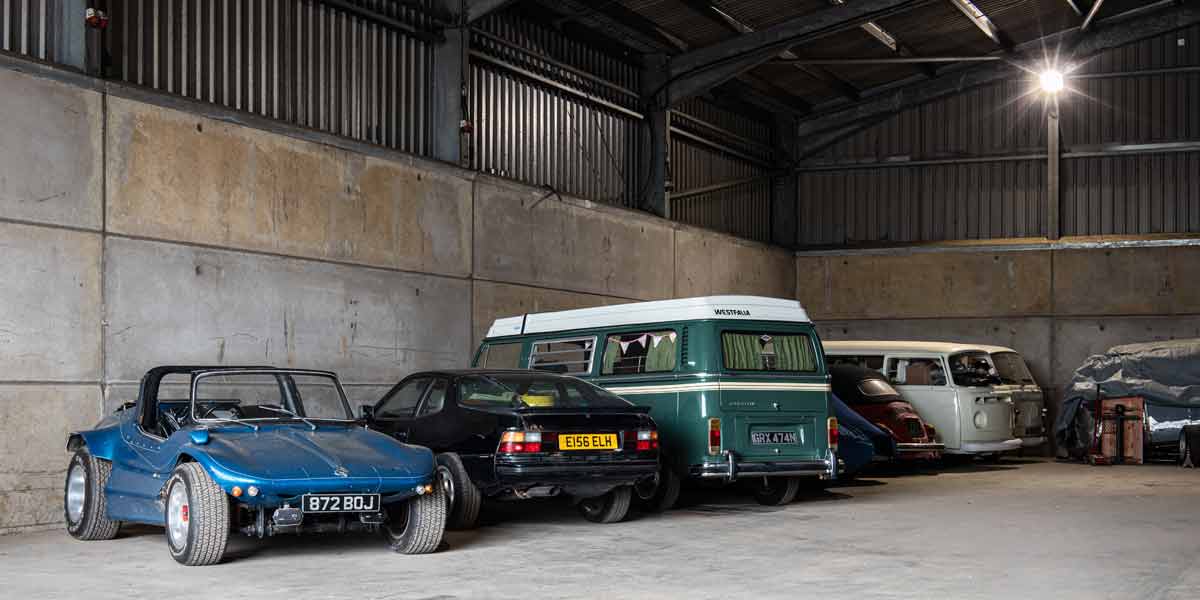
Ideal storage for your classic
Give your VW a service
Service the vehicle to ensure that when you bring it out of long-term storage, it is ready to go for the new season. Consider getting the engine flushed and change the oil and the oil filter to ensure that contaminants don’t sit in the engine for long periods, which could lead to corrosion. Top up all fluids, including brake fluid, transmission fluid and coolant if applicable.
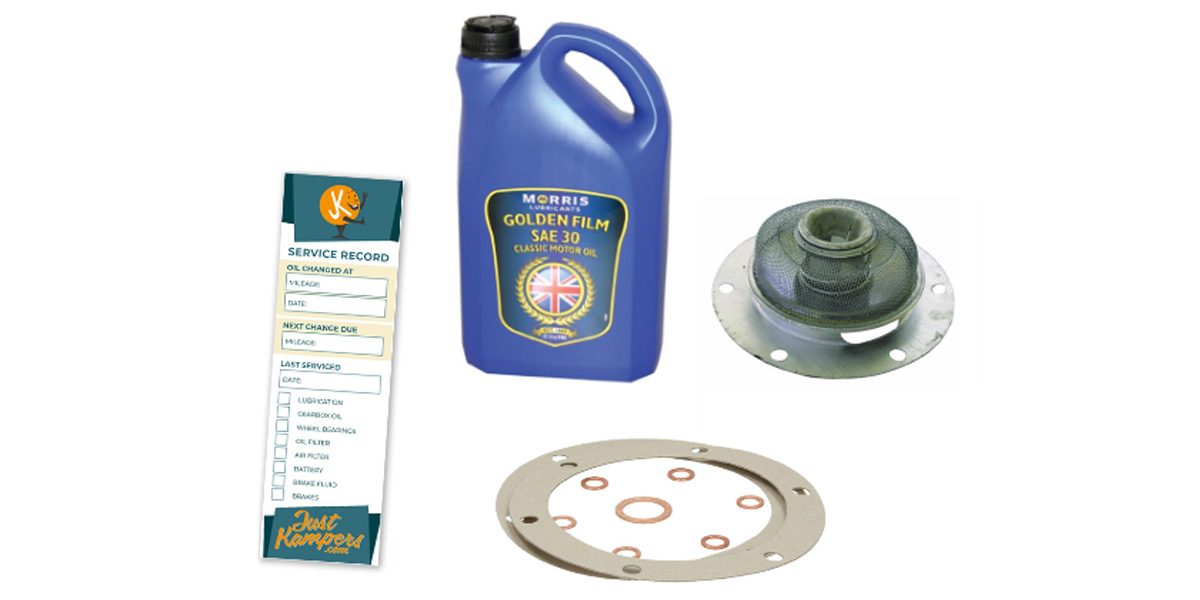
Air-cooled Oil Change bundle kit – J48799
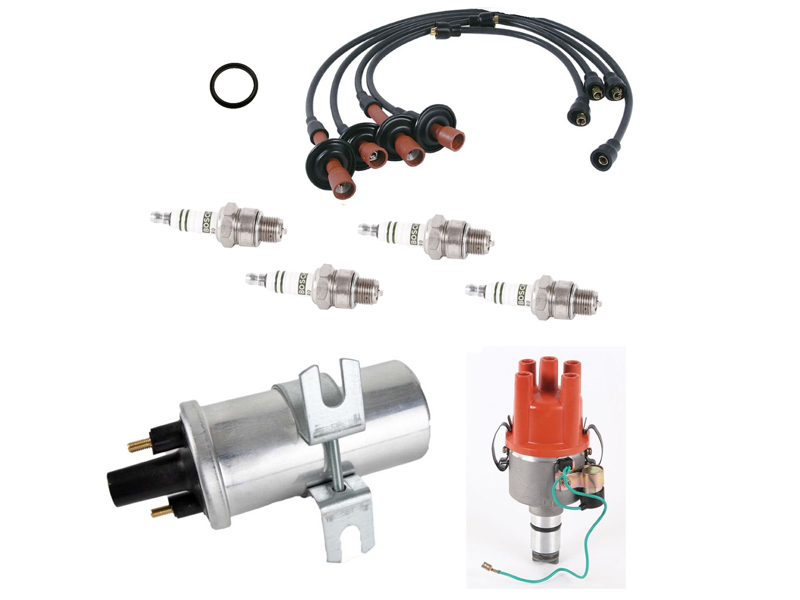
009 Ignition Bundle Kit VW Beetle, VW T2 Split & T2 Bay – J48828
Prepare your fuel system
Fuel system preparation should be carried out by filling the fuel tank completely to prevent moisture buildup, and while you’re there, add a fuel stabiliser to keep the fuel fresh. Run the engine for a few minutes after to distribute the stabiliser throughout the system.
Look after your battery
Give your battery some love, disconnect the battery and store it in a cool, dry place. Maybe consider putting it on a trickle charger to ensure it is in optimum condition for restarting your car in the future.
Tyres
Tyres should be inflated to the manufacturer’s specifications to prevent flat spots from occurring. Alternatively, use tyre cradles or remove the wheels completely and leave the vehicle on axle stands.
Give your VW a pre-hibernation wash and wax
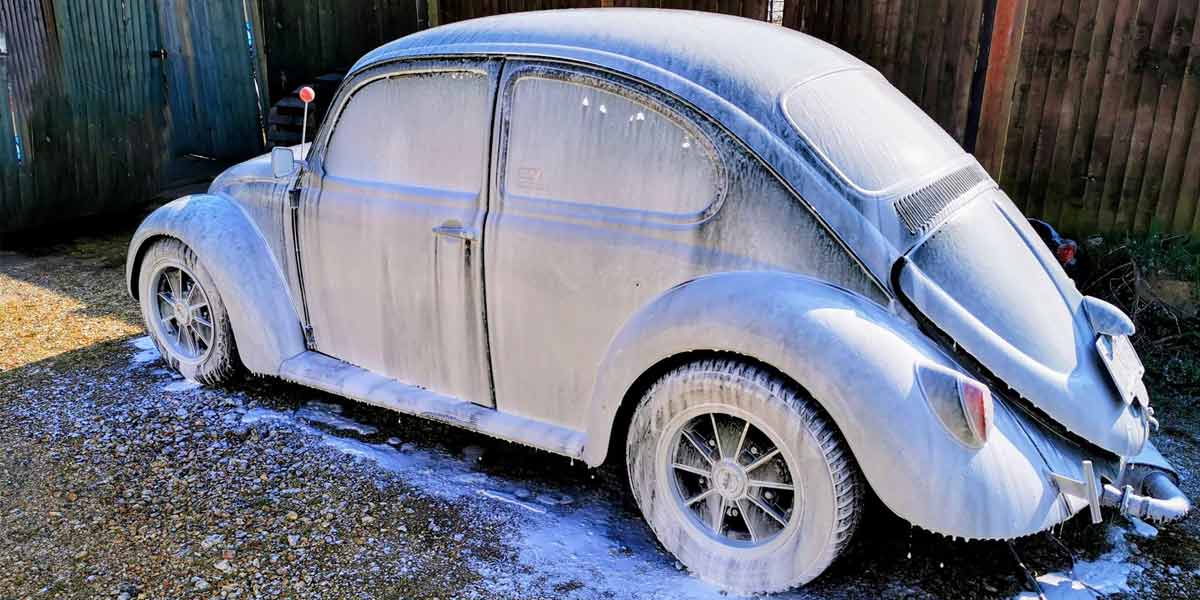
Wash and wax the vehicle thoroughly to remove any dirt, grime or contaminants that could damage your paint work. Move the wipers off your windscreen to prevent the rubber seizing to the glass and tearing on next time they are used.
Clean the interior
Clean inside the vehicle, ensuring that you remove any rubbish, especially food or drink, as this could encourage rodents to nest down inside your vehicle. Place a moisture trap or two inside to aid in keeping a dry atmosphere in the interior. Leave the windows open just enough to allow the car to be ventilated.
Apply some security
Security of your vehicle will be enhanced by fitting a steering wheel lock and/or a pedal lock to prevent unauthorised use or theft.
Leave the handbrake off
Leave the handbrake off to ensure that the handbrake doesn’t seize during storage. Chock the wheels if not removing them and using axle stands.
SORN
SORN your vehicle if applicable through the DVLA if you are storing it for a long period, as this will save you money while it is not in use.
Consider Laid Up Insurance
If you’re storing your air-cooled VW for the off-season, whether you’re doing a full restoration or simply parking it up through winter, then the “Laid Up Cover” from Just Kampers Insurance is a brilliant fit.
This policy protects your vehicle while it’s off the road and safely tucked away on your drive, in a garage or even on a secure trailer, and it covers key risks like accidental damage, fire and theft (you choose the level of cover). It doesn’t cover road use, so you’re covered for storage months while you get the dust layer on, rebuild, or just give your VW a well-earned rest. With no set time limit on how long the vehicle can stay laid up, it gives you flexibility to pause driving without losing protection. If you then decide to hit the road again, the friendly Just Kampers team can switch you back into full-use cover when you’re ready.
Recommissioning your vehicle
Recommissioning your vehicle at the end of your storage period should be a simple operation if all the above steps have been taken when laying it up. Replace the wheels if removed. Check all fluid levels and check for any fluid leaks on the floor. Re-fit the battery and check your lights. Start the engine and allow it to run for a few minutes. Test the brakes and take it for a drive.
In Summary
By following the above steps, you will help to ensure that your classic VW car or camper remains in the best condition it can during long-term storage and be ready to start where you left off the last time you drove it.
Don’t forget to re-tax if you have declared your vehicle SORN during storage.