
The Ultimate Guide to UK Motorhome Classes, Sizes, and Insurance

Published 4 March 2025 | Last updated 20 January 2026

()

This guide covers the key differences among UK motorhome classes, what sets them apart from campervans, and the essential factors to consider when insuring your motorhome.

With the popularity of vanlife increasing across the UK, many people are turning to motorhomes and campervans for the freedom and flexibility of the open road. But for those at the beginning of their van life journey, understanding the different classes and navigating insurance requirements can feel overwhelming.

What Exactly Is a Motorhome?

Before delving into the specifics, it’s important to understand the definition of a motorhome. A motorhome, also known as a recreational vehicle (RV), is a self-contained unit with living facilities, ideal for extended trips or living on the road. They typically include built-in sleeping areas, cooking facilities, and bathroom facilities, which are all integrated into a vehicle designed for road travel.

Motorhomes are also larger than campervans, typically offering more space and comfort.
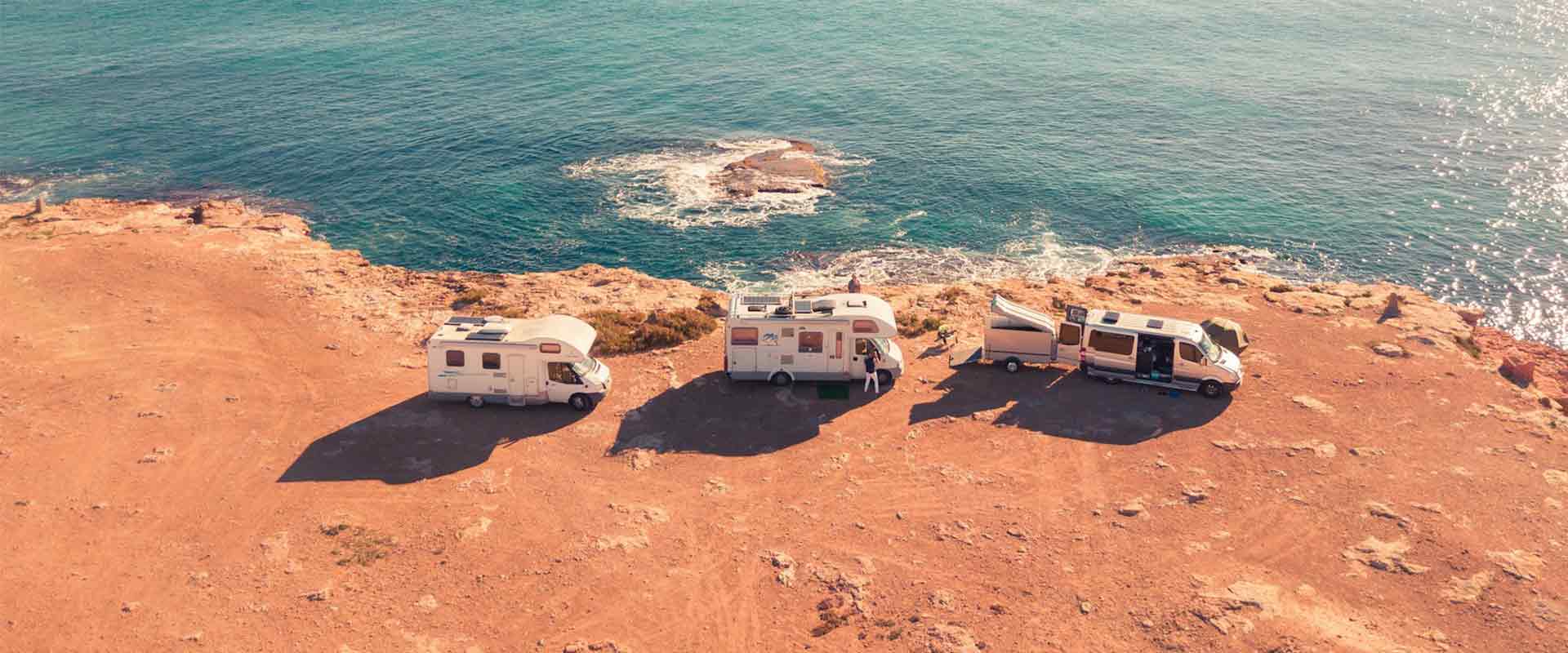
Motorhomes

Motorhomes vs Campervans

Although the terms “motorhome” and “campervan” are often used interchangeably, there are some key differences in functionality, driving experience, and even insurance coverage. Here’s how they compare:

Motorhomes:

  • Are generally larger, more spacious, and equipped with better living facilities for long-term vanlife.
  • Often have multiple rooms, a separate bedroom, bathroom, and full kitchen area.
  • Are categorised into three different classes: Class A, Class B, and Class C – each defined by different features.

Campervans:

  • Are usually smaller and more compact vehicles, built on a van chassis.
  • Are ideal for those looking for good mobility and affordability.
  • Are better suited for shorter trips and are easier to drive in urban areas.

According to the National Caravan Council, motorhome sales remain strong, which was evident at the latest Motorhome and Caravan Show held at the NEC in October 2024, where exhibitors reported an impressive number of sales. This highlights the growing popularity of leisure vehicles in the UK.
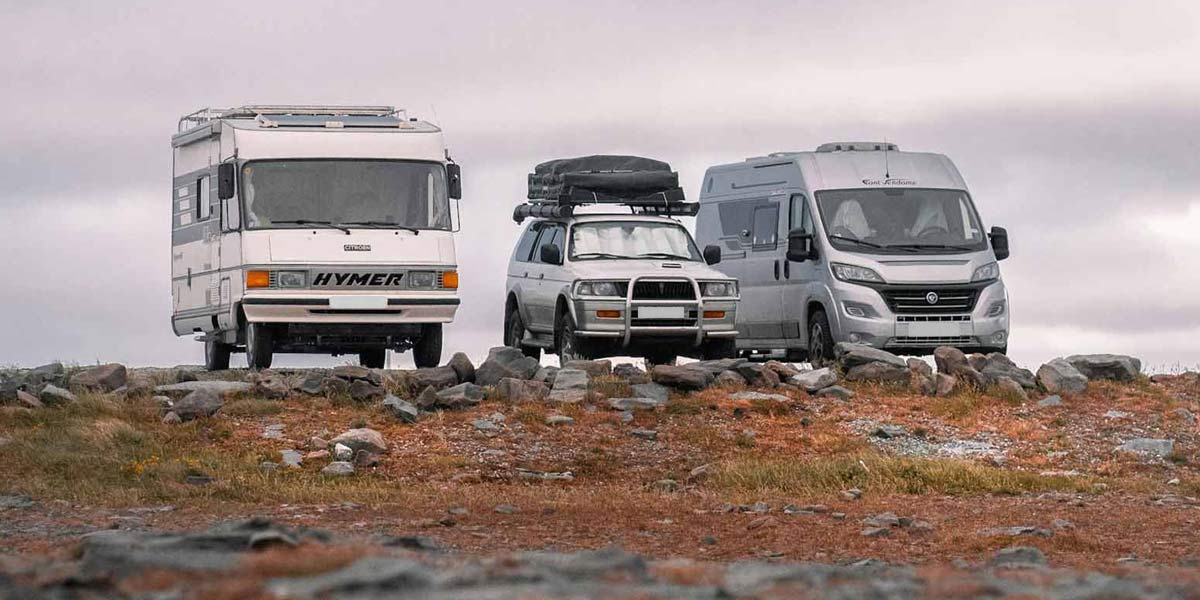
Motorhome classes

Motorhome Classes

There are three motorhome categories: A, B, and C.

Class A Motorhomes

Class A motorhomes are built on a specially designed chassis, providing high-end luxury, space, and facilities.

  • Size: Typically 7-12 metres long.
  • Features: Often include multiple slide-outs, luxurious amenities, and spacious living areas.
  • Best For: Long-term travel and families on the road.

Class B Motorhomes (Campervans)

Class B motorhomes are compact and built on a standard van chassis, offering great versatility and easy handling, with enough space for essential living facilities.

  • Size: Generally 5-7 metres in length.
  • Features: They often have basic kitchenettes, bathrooms, and sleeping areas.
  • Best For: Solo travellers or couples wanting a smaller camper that they can take anywhere.

Class C Motorhomes

Class C motorhomes are built on a van or truck chassis and feature a distinctive cab-over bed area.

  • Size: Usually 6-10 metres long.
  • Features: These typically have a comfortable living space with a focus on practicality.
  • Best For: Families or small groups seeking more space than a Class B motorhome can provide.

Current market trends show that Class B motorhomes (campervans) are the most popular type of leisure vehicle in the UK, favoured for their easy manoeuvrability, reasonable living space, and compact dimensions.
Motorhome

DVLA Definitions and Regulations

The UK’s Driver and Vehicle Licensing Agency (DVLA) classifies motorhomes differently from other vehicles, affecting driving licence requirements, registration, and insurance too.

Definition and Licencing

Motorhomes must be classified and registered correctly for insurance purposes and to comply with road regulations. Click here to see the official information about reclassifying a vehicle as a motorcaravan.

Category C1 Licence

This is required for individuals driving vehicles that weigh more than 3,500 kg.
Motorhome

How Can I Get Motorhome Insurance?

Choosing the right insurance policy is essential for motorhome owners. Comprehensive coverage should address the vehicle’s value, personal belongings, road risks, and any modifications. Make sure your insurance provider is aware of all modifications to avoid invalidating your cover.

Types of Coverage:

  • Third-Party: This is the minimum legal requirement.
  • Comprehensive: This covers theft, damage, personal items, and more.
  • Breakdown Cover: This is essential for long-distance travel or remote destinations.

Insurance Discounts

Installing approved security devices and safety equipment, such as trackers, immobilisers, and fire extinguishers can reduce premiums.

Got questions about motorhome insurance? Read our separate blog where we’ve answered all the common questions in detail!

For more information about motorhome and campervan cover, click here.


Parts & Accessories

If you’re looking for essentials for your camper, visit Just Kampers (our sister company). They’ve got a huge selection of parts and upgrades available, including fridges and solar panels, and everything in between. 


In Conclusion

Navigating the world of motorhome classes, sizes, and insurance can seem a little complicated, but understanding these details is vital for any vanlifer. Whether you opt for a luxurious Class A, a versatile Class C, or a compact Class B, choosing the right vehicle and insurance policy ensures you travel safely and confidently.

If you’re looking to insure your motorhome or campervan without any stress, you’re in the right place. Here at Just Kampers Insurance, we offer reliable cover with prices starting from just £225 per year! With decades of experience, and a team full of enthusiasts, we’ve got you covered.

Give us a call on 01256 44 45 46 to find out more, or get an online quote.

What Should I Do and Not Do if I Have an Accident? FAQs

Do I need to tell my insurer about an accident if I’m not making a claim?

Yes, you should still notify your insurer about the incident, even if you don’t intend to claim for damage to your own vehicle. Your policy may require you to report incidents which could potentially lead to a claim, particularly if another driver later decides to make a claim against you.
Reporting the accident promptly also ensures your insurer has a record of your version of events.

How quickly should I contact Just Kampers Insurance after an accident?

You should report an accident as soon as reasonably possible. Having your policy number, details of what happened, information about the other people and vehicles involved, photographs and any witness details to hand can help make the process easier. Just Kampers Insurance customers have access to a claims service 24 hours a day, seven days a week.

Will I have to pay my excess if the accident wasn’t my fault?

If you make a claim through your own insurance policy, your policy excess may still be payable initially. Depending on the circumstances of the accident, you may subsequently be able to recover this from the responsible party.

Your claims handler can explain what applies to your particular claim and whether your excess may be recoverable.

Can legal protection help if the accident wasn’t my fault?

Just Kampers Insurance policies include legal protection, which can provide assistance following a non-fault accident, subject to the policy terms, limits and exclusions.

This can include help pursuing eligible uninsured losses, such as an excess you have paid, as well as assistance with certain legal expenses, vehicle hire or claims relating to injuries and other losses.

Will I get a courtesy car while my vehicle is being repaired?

This will depend on your cover and how your claim is handled. If you make a claim under a comprehensive policy and use an approved repairer, a courtesy car may be available for the duration of the repairs, subject to availability.

Different arrangements may apply following a non-fault accident, so speak to your claims handler before arranging alternative transport yourself.

What happens if my campervan or motorhome is written off?

Your insurer will assess the vehicle and the terms of your policy before determining how the claim will be settled.

This is particularly important for classic, converted and specialist vehicles, where modifications and the vehicle’s specification can have a significant impact on its value. If your policy includes Agreed Value cover, check your policy documents to understand how this applies to a total-loss claim.

What if modifications to my campervan are damaged in the accident?

Make sure you tell your claims handler about damage to modifications and converted parts of the vehicle, rather than documenting only the exterior bodywork.

Photograph damaged pop-tops, awnings, furniture, fitted equipment and other converted elements where it is safe to do so. Keeping photographs and documentation relating to modifications before an accident can also help demonstrate your vehicle’s specification and condition.

Should I arrange my own garage to repair the vehicle?

Speak to your insurer or claims handler before authorising significant repairs. The insurer may need to inspect the vehicle, review photographs or agree repair costs before work begins.

This can be especially important with classic vehicles, campervans and motorhomes, where specialist components or conversion work may require particular expertise.

What should I do if the other driver’s insurer contacts me directly?

Don’t ignore correspondence about the accident, but avoid getting drawn into discussions about liability or agreeing a settlement without speaking to your insurer.

Just Kampers Insurance advises customers to forward third-party correspondence unanswered so it can be dealt with appropriately.

What if the other driver doesn’t have insurance or leaves the scene?

Gather as much information as you safely can, including the vehicle registration, make, model and colour, photographs or dashcam footage, and witness details.

Don’t attempt to chase a vehicle that leaves the scene. Report the incident to the police where required and contact your insurer promptly so they can advise you on the next steps.

Can I claim for belongings damaged inside my campervan or motorhome?

Whether damaged belongings are covered will depend on your individual policy and the cover you have selected.

If items inside your vehicle are damaged in an accident, photograph them and keep any evidence of ownership and value, such as receipts. Don’t dispose of damaged items until you have spoken to your claims handler.

What happens to my no-claims bonus after an accident?

The effect on your no-claims bonus will depend on factors including how the claim is recorded and the terms of your policy. Even where you have a protected no-claims bonus, a fault or pending claim may still affect future insurance premiums.

Check your policy documents or speak to the Just Kampers Insurance team if you’re unsure how a particular claim could affect your policy.

What information should I have ready when I report an accident?

It helps to have as much information as possible available, including your policy number, the date and location of the accident, details of the other driver and vehicle, photographs of the scene and damage, witness details, dashcam footage and any police reference number.

Don’t worry if you don’t have everything immediately. Report the incident promptly, and your claims handler can explain what additional information may be needed.

Did you find this blog useful?

Click on a star to rate this blog

Average rating / 5. Vote count:

No votes so far! Be the first to rate this blog

Written by: Beth Cane

Beth is a Marketing Executive at Just Kampers, with a growing passion for the Volkswagen and motor industry. She loves road trip adventures and attending various motor shows with friends and family in her free time.

Whatever you drive, we've got you covered

Get a quote now