Read this helpful guide covering everything you need to know about campervan speed limits, including what the rules are, why they exist, and how to stay within the law when you’re on the road.
If you’re hitting the road in a campervan, knowing the speed limits for your vehicle is a must. But with rules that can vary by size, weight, and location, figuring out which limits apply to your camper can quickly become confusing.
Here at Just Kampers Insurance, many of us are proud campervan owners ourselves, so we truly understand the ins and outs of campervan ownership and the classification process.
Since 1998, we’ve specialised in providing tailored campervan insurance – whether it’s a self-build camper you’ve lovingly converted or a professionally renovated campervan, we’ve got you covered. Get an online quote today or speak to our friendly team to find out more.
If you’ve recently converted your van for the first time and are raring to get it on the road, then you’re probably wondering about the speed limits, your vehicle classification, and more.
With so many drivers re-classifying vans as campers or embracing motorhomes, caravans and other luxury touring vehicles, it’s essential to understand how speed limits will affect your experience on the road.

Classifying Your Campervan Conversion
When you renovate or re-classify a van as a camper, one of the key aspects is the legal classification on the vehicle and how this changes the legal maximum speed limit. The DVLA (Driver Vehicle & Licensing Agency) covers this process, but it’s not always easy to navigate and can seem, at times, unclear.
Unless already specified on your V5C (or vehicle logbook), some conversions may result in the need for re-classification. This re-classification will impact your maximum speed limit on the road.
You’ll most likely end up classifying, either officially or “by keeper satisfaction” that it is a ‘motor caravan’. A motor caravan is then split into two weight categories, including:
- Vehicles that are not more than 3.05 tonnes maximum unladen weight.
- Vehicles that are more than 3.05 tonnes maximum unladen weight.
If your campervan is under 2 tonnes, then you may be able to classify as a car derived vehicle or dual-purpose vehicle, which has the same legal speed limits as cars.
What is the Speed Limit for My Campervan?
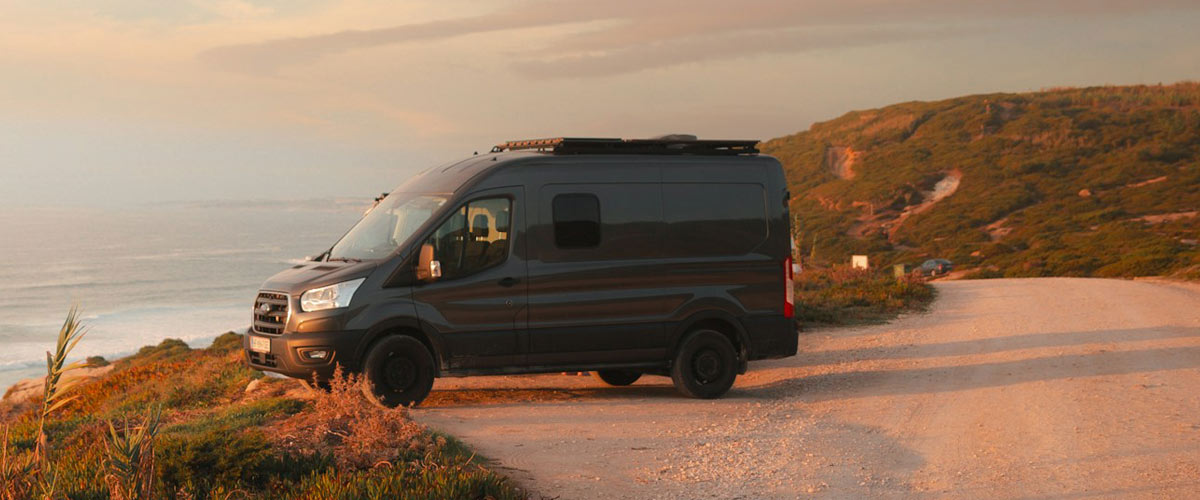
There are two categories that will impact your speed limit. This is only if you’ve been classified as a motor caravan or motorhome on your V5C.
If your campervan is under 3.05 tonnes:
Your legal speed limits will be the same as a car or motorcycle.
| Built-up areas | Single carriageways | Dual carriageways | Motorways |
| 30mph | 60mph | 70mph | 70mph |
If Your Campervan is Over 3.05 tonnes:
Your speed limits will be the same as a bus or coach under 12m in length. The main difference is on single carriageways and dual carriageways, where the speed limit is 10mph less than that of a lighter camper.
| Built-up areas | Single carriageways | Dual carriageways | Motorways |
| 30mph | 50mph | 60mph | 70mph |

My Campervan Classification isn’t a ‘Motor Caravan’ on My V5C, What Should I Do?
If your vehicle weighs over 3.05 tonnes (unladen weight), but you haven’t been classified as a motorhome or ‘motor caravan’, then you must legally comply with the restricted speed limits. This is because there is no other possible classification for your vehicle.
However, if you are not legally classified as a ‘motor caravan’ and your vehicle weighs under 3.05 tonnes, then you should adhere to the same speed limits as if you were driving a car.
My Campervan Weighs Between 3.05 tonnes and 7.5 tonnes but Hasn’t Been Classified. What Does that Mean for My Speed Limit?
There are many ‘donor’ vehicles that can become recognised as a caravan legally, as long as it satisfies the internal requirements for a campervan. This could be a small works van such as a Volkswagen Caddy, a large courier van like a Ford Transit, or anything in between. Becoming familiar with the legal criteria can help you understand when a vehicle is recognised as a caravan.
If, for all intents and purposes, and as the legally registered keeper, you believe your camper should be legally classified as a ‘motor caravan’ but for some reason or the other, the DVLA hasn’t classified it, then you have two options.
1. Adopt the speed limits of heavier motorhomes or caravans
As mentioned, you can adopt the speed limits of heavier vehicles, which are 10mph less than that of a car on single and dual carriageways.
2. Use the speed limits of a goods van under 7.5 tonnes
If, by appearance, your vehicle does not look like a campervan or motorhome, then you may want to use the speed limits of a light goods vehicle.
These are:
| Built-up areas | Single carriageways | Dual carriageways | Motorways |
| 30mph | 50mph | 60mph | 70mph or 60mph if towing a trailer (or articulated) |
This doesn’t really change unless you’re towing or are driving an articulated van.
Summarising Campervan Speed Limits
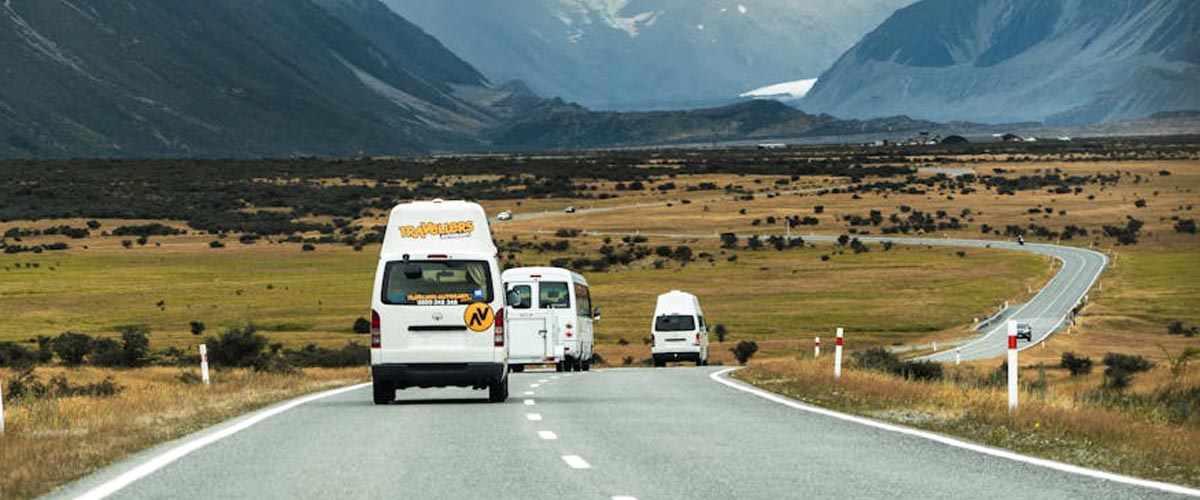
The difficulty in understanding how your van might be impacted by different rules and regulations on the road is a source of confusion for many drivers. This is often discussed in communities, especially since the laws on classification were introduced back in 2019.
If you’re confused, it’s advisable to prioritise safety and choose a lower speed limit if you’re unsure. As campervans are designed for the journey and the destination, how you drive is just as much a part of owning one.
Get in touch with Just Kampers Insurance to feel safe and confident on the road, whatever your V5C classification.
Upgrade Your Campervan – Enjoy 10% Off Parts & Accessories!
When you insure your campervan with Just Kampers Insurance, you’ll unlock an exclusive 10% discount at Just Kampers. Stock up on essential parts or add stylish accessories to make your camper the perfect home on wheels – all while keeping it protected with tailored insurance. It’s a win-win!
For more information about tailoring insurance policies to your campervan or motorhome, whether you’re after affordable premiums, or something with that little bit more protection, consider coverage from the experts at Just Kampers Insurance.
In this article
- Classifying Your Campervan Conversion
- What is the Speed Limit for My Campervan?
- If your campervan is under 3.05 tonnes:
- If Your Campervan is Over 3.05 tonnes:
- My Campervan Classification isn’t a ‘Motor Caravan’ on My V5C, What Should I Do?
- My Campervan Weighs Between 3.05 tonnes and 7.5 tonnes but Hasn’t Been Classified. What Does that Mean for My Speed Limit?
- Summarising Campervan Speed Limits
- Upgrade Your Campervan – Enjoy 10% Off Parts & Accessories!