
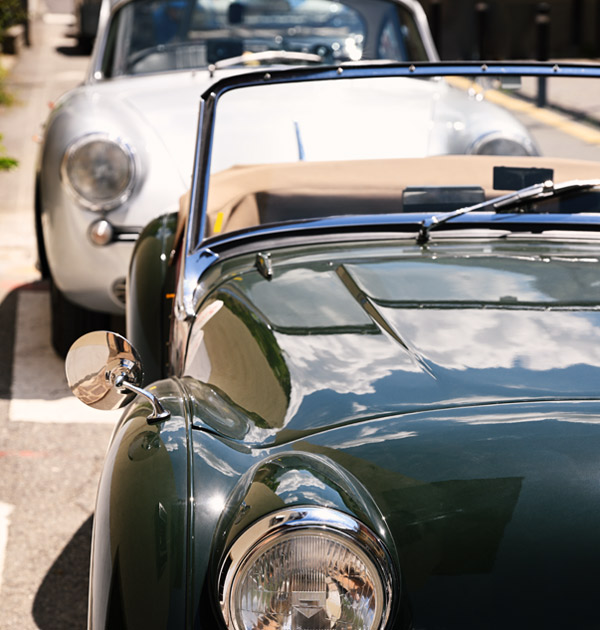
In this guide, we explore some of the best classic cars to consider as a young driver in 2026, what to look out for when shopping for a classic car, and how specialist young driver insurance can help make driving a classic even more affordable.
There’s something for everyone, from iconic vintage vehicles to cool modern classics. The right cars can be fun to drive, affordable to buy, and surprisingly sensible to own.
Insurance is often one of the biggest concerns for young motorists, rather than finding a car they’re interested in. That’s why Just Kampers Insurance offers specialist cover tailored specifically to young drivers, taking into account how each vehicle is really used. This means you can get behind the wheel and enjoy the old-school ride with confidence.

In this guide, we explore some of the best classic cars to consider as a young driver in 2026, what to look out for when shopping for a classic car, and how specialist young driver insurance can help make driving a classic even more affordable.
There’s something for everyone, from iconic vintage vehicles to cool modern classics. The right cars can be fun to drive, affordable to buy, and surprisingly sensible to own.
Insurance is often one of the biggest concerns for young motorists, rather than finding a car they’re interested in. That’s why Just Kampers Insurance offers specialist cover tailored specifically to young drivers, taking into account how each vehicle is really used. This means you can get behind the wheel and enjoy the old-school ride with confidence.
1960s Classic Cars Worth Considering for Young Drivers
There are a lot of classic cars which are suitable for young drivers, and balance affordability, fun, style, and practicality. Here are some of the iconic ‘60s models that make excellent first classics.
Fiat 500
Produced between 1957 and 1975, with approximately 3.9 million built, the Fiat 500 is certainly an iconic car. With average prices sitting around £10,000, it’s a reasonably affordable option for young drivers looking to get into classic ownership. Its compact dimensions, cheerful style and simplicity make it a great choice.
Pros of a classic Fiat 500:
- Its simple air-cooled engine means maintenance and servicing is relatively straightforward, which is ideal for younger owners who are new to looking after their own vehicle.
- The Fiat 500’s compact size means parking and driving couldn’t be easier for new drivers.
- Parts are still widely available for this classic, making routine repairs and maintenance relatively simple and affordable.
Things to check before buying a classic Fiat 500:
- Look out for rust around the floor pan, sills, and wheel arches.
- Remember the Fiat 500’s performance is modest, so the healthy engine should feel smooth rather than fast.
- Some classic models are prone to oil leaks, so check over the engine before you buy to avoid any unexpected surprises.
What is the road tax bracket for a classic Fiat 500?
With the classic Fiat 500 model ceasing production in 1975, it falls under the historic tax class which means road tax (Vehicle Excise Duty) is completely free, though you still need to apply for the exemption with the DVLA (Driver and Vehicle Licensing Agency).
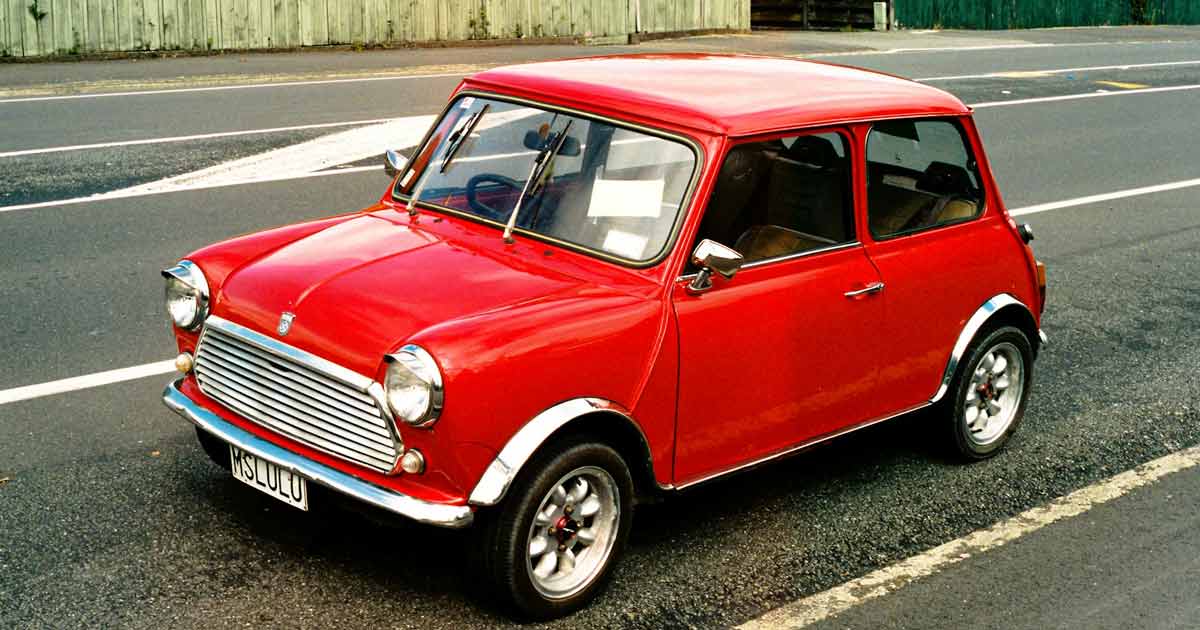
Image by Kishan Modi via Unsplash
Classic Mini
The classic Mini is one of the most recognisable British cars ever built. Produced between 1959 and 2000, its neat design and charming character became hugely popular, with more than 5.3 million being built. Classic Mini prices typically range from £6,000 to £10,000, rising nearer to £20,000 for exceptional examples.
The classic Mini may be compact on the outside, but it’s deceptively spacious on the inside. In fact, a classic Mini set a Guinness World Record in 2014 when 27 people fit inside it, demonstrating Sir Alec Issigonis’ revolutionary approach to prioritise space and practicality.
Pros of a classic Mini:
- The classic Mini’s compact size and spacious cabin make it an ideal classic car for young drivers, as it offers easy manoeuvring and enough space for daily use.
- Its nimble handling makes it fun to drive without needing lots of power.
- Parts for the classic Mini are still widely available, which means it’s easy and affordable to work on.
Cons of buying a classic Mini:
- They can be prone to rusting around the subframes and sills, so make sure you inspect the vehicle carefully so you’re aware of its condition.
- Like many other classics, Minis lack modern safety essentials like crumple zones, so you may not want to use it as a daily driver.
- Small oil leaks are fairly common with classic Minis.
What is the road tax for a classic Mini?
The road tax for a classic Mini depends on its age. Earlier models which are over 40 years old can qualify as historic vehicles, which are exempt from road tax fees. However, the modern-classic Minis that are less than 40 years old are subject to the same tax rate as other vehicles.
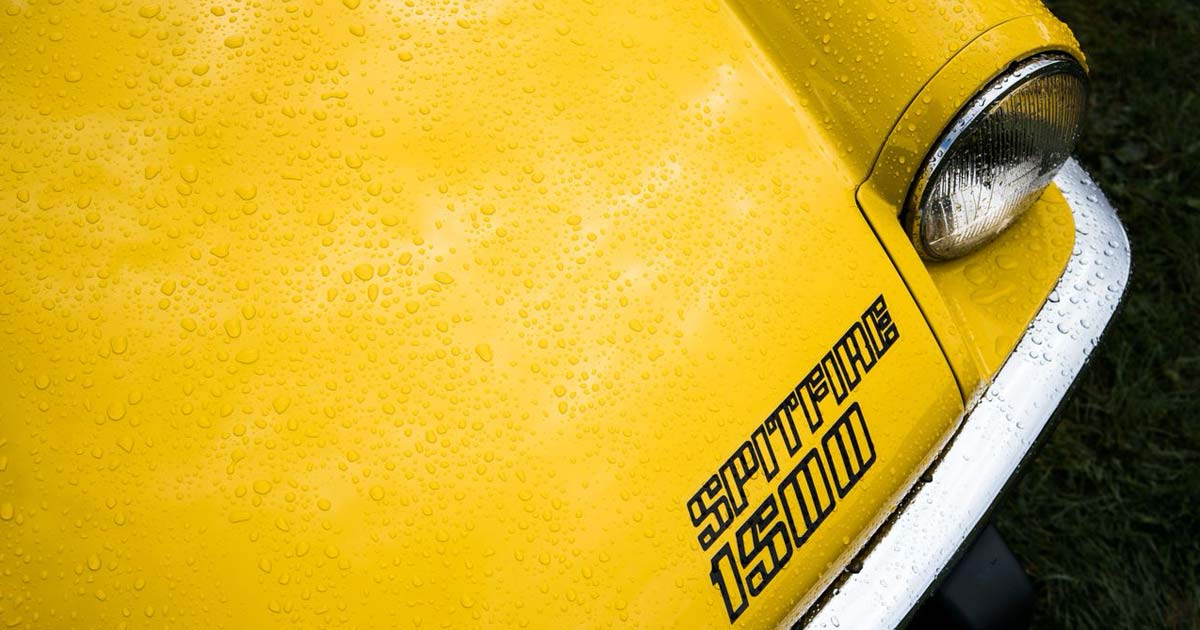
Image by Sam Crowson via Pexels
Triumph Spitfire
Built between 1962 and 1980, the two-seat Triumph Spitfire quickly became a hit, with over 315,000 of them produced. With current prices typically ranging from £3,000 to £6,000, it’s an affordable entry point for young enthusiasts buying their first classic sports car. Combining sleek, sporty style, open-top cruising, and bags of character, the Spitfire offers a rewarding driving experience without breaking the bank.
Pros of a Triumph Spitfire:
- The Triumph Spitfire is rear-wheel drive, which makes the driving experience fun, but the modest power keeps it sensible for enthusiastic beginners.
- The whole front end of the Triumph Spitfire (including the front wings and wheel arches) can be lifted forward as one single piece, offering excellent engine bay access for servicing and maintenance.
- There are plenty of aftermarket parts and accessories available for the Triumph Spitfire, which means repairs are simpler and cheaper than some other classic cars.
Things to check before buying a Triumph Spitfire:
- If possible, check the chassis for any structural corrosion, as rust can often form if the vehicle hasn’t been well-maintained.
- Inspect or lift the carpets to check for any signs of damp.
- Given their relatively low price, it’s important to check for any poor or bodged repairs that could result in issues later.
What is the road tax bracket for a Triumph Spitfire?
All Triumph Spitfires are eligible for historic vehicle status, as they’re more than 40 years old. This means they are exempt from Vehicle Excise Duty (road tax) providing they’ve been correctly registered with the DVLA.

Why compromise on insuring your precious vehicle when we’ll give you £50* if we are not the cheapest.
1970s Classic Cars Worth Considering for Young Drivers
Many iconic cars from the 1970s make great first classics for young drivers. Here are some of our favourites.
VW Beetle
With more than 21 million Volkswagen Beetles produced between 1946 and 2003, it’s undoubtedly one of the most iconic classics of them all. Loved by many across the globe, its unmistakable design, reliable air-cooled engineering, and endearing simplicity continue to attract new generations of enthusiasts.
They range from £5,000 to £15,000 in price, with immaculate examples costing more. At the lower end of the budget, you can find some great project Beetles, giving young enthusiasts a great opportunity to enter classic car ownership.
Father-and-son duo Beau and Chet from our sister company, Just Kampers, recently took on a classic Beetle project together, transforming a chopped 1967 Bug into a one-of-a-kind build. As a young driver himself, Beau proves that the passion for classic VWs is still thriving through the younger generation.
Search Just Kampers’ online Marketplace and you’ll find loads of classic VW Beetles for sale, from budget-friendly projects through to full restorations. There’s something for everyone.
Pros of owning a classic VW Beetle:
- With so many classic VW Beetles worldwide, and an extensive range of parts and accessories readily available, keeping one on the road is both easy and affordable.
- Owning a classic Volkswagen Beetle is even more appealing to young drivers thanks to its welcoming community, offering plenty of support, likeminded friends, and countless social events.
- The VW Beetle was built to be “the people’s car”. The simple engineering means lots of jobs can be tackled at home, and it’s a great opportunity for young motorists to learn the ropes and gain some hands-on mechanical skills.
Take a look at Just Kampers’ VW Beetle Buyers Guide for everything you need to know about these iconic classics.
Things to look out for when buying a classic VW Beetle:
- As with most classic cars, VW Beetles can develop rust over time. The wings, door edges, bonnet, and engine lid are the usual suspects, so be sure to check these areas over before purchasing a classic Beetle. While rust is something to look out for, it’s not something to be too concerned about. Just Kampers stocks a wide range of Beetle body panels, making it easy to replace rusted sections.
- In some cases, it’s worth prioritising good bodywork over good mechanical parts. Worn mechanical components like brakes or suspension are usually much easier to replace or repair. So, if you find a classic VW Beetle with a solid body but a few tired mechanical parts, it can still be a great purchase.
- Look at where the car is parked. If you spot oil on the ground, chances are there’s a leak that will need fixing. But this is not a deal-breaker, they can usually be repaired in no time.
What is the road tax bracket for a classic VW Beetle?
Many classic VW Beetles are exempt from UK road tax if they’re more than 40 years old and registered as historic vehicles. Models that were built less than 40 years ago are not eligible for this exemption and are therefore subject to the standard UK vehicle tax system.
Our sister company Just Kampers has a huge range of classic VW Beetle parts and accessories available, from engine and brake parts to seals, panels, exhausts and more.
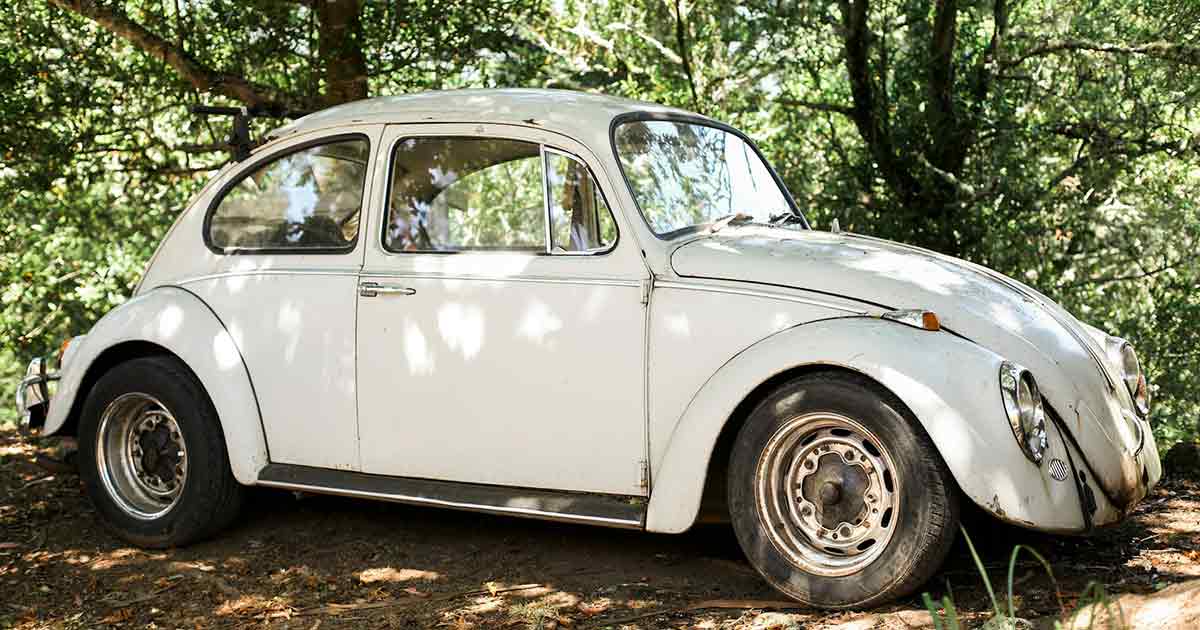
Image by Kitera Dent via Unsplash
VW Golf Mk1
Another Volkswagen, but this time, it’s the Mk1 Golf. More than 6 million of these were manufactured between 1974 and 1983, and they played a huge role in redefining the family hatchback. You can typically buy a VW Golf Mk1 for around £7,000 to £11,000, although some outstanding examples could cost nearer £20,000.
The VW Mk1 Golf marked the beginning of one of the most successful cars ever made. More than 37 million Golfs have been sold across eight generations, from the original Mk1 to today’s Mk8. More than 50 years on, it remains one of Volkswagen’s most popular models.
The VW Mk1 Golf is a great car for a young driver, as it combines simple, reliable engineering with practicality and style. Some models even had a convertible roof, adding a touch of fun for young motorists. It’s also an affordable way to enter the world of classic car ownership.
Pros of owning a VW Mk1 Golf:
- The Mk1 Golf is a great classic car, combining timeless style and plenty of character.
- They’re mechanically very reliable, providing they are properly maintained.
- Parts are still widely available, making it more accessible for young enthusiasts.
- The practical hatchback design is ideal for regular use, giving young drivers a fun classic that’s both useful and enjoyable to own.
Things to look out for when buying a VW Mk1 Golf:
- Check the Golf for signs of rust and corrosion. Pay particular attention to the wheel arches, sills, and around the windscreen. Repairing structural corrosion can be a costly challenge.
- Heavily modified cars may not be the best option unless the work is well documented and carried out by professionals. While changes can improve performance or appearance, poorly executed modifications could lead to safety or reliability issues.
- Check that the lights, gauges, wipers and heaters work before buying. If they’re not functioning as expected, it might be an indication that the electrical wiring, connectors, or switches are worn.
What is the road tax bracket for a VW Mk1 Golf?
The VW Mk1 Golf was produced between 1974 and 1983, meaning it is old enough to qualify for Historic Vehicle status. Once it is registered as a historic vehicle, it’s exempt from road tax.
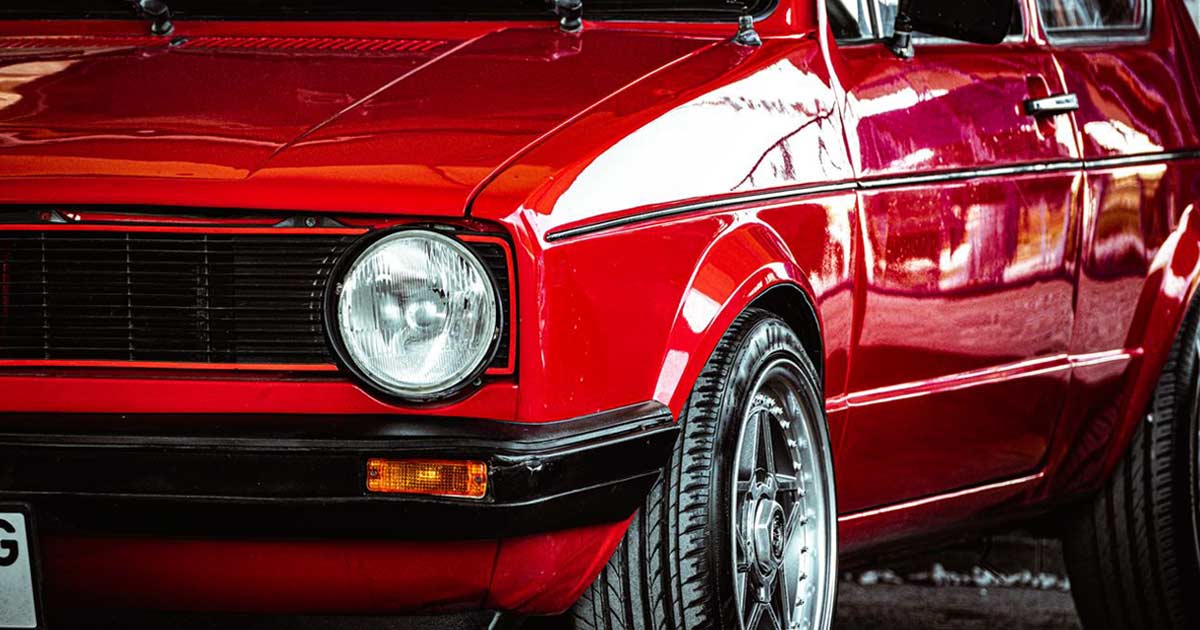
Image by Emre Gokceoglu via Pexels
Porsche 924
The Porsche 924 was produced between 1976 and 1988, with more than 150,000 leaving the factory. Today, prices vary considerably depending on the specific model, condition, mileage, and specs. A good example typically costs between £6,000 and £13,000, although fully restored or higher end models may cost significantly more.
Pros of owning a Porsche 924:
- Most people tend to think a Porsche is out of their reach, but the 924 is one of the most affordable ways enter classic Porsche ownership, especially when compared to models like the 911.
- The 924 features a well-balanced chassis and near-even weight distribution, giving it stable, reassuring handling on the roads.
- Mechanically, the Porsche 924 is quite simple. Most service parts are readily available, and you don’t need specialist knowledge to work on it. This makes it an ideal classic for young drivers who want to learn basic maintenance and carry out servicing themselves.
Things to look out for before buying a Porsche 924:
- Like many classics of its time, most Porsche 924s are not equipped with power steering. While this isn’t exactly an issue, it could prove inconvenient for those who are going to be doing lots of urban driving and tight parking manoeuvres.
- Although most 924s have a galvanised body, you should keep an eye out for signs of rust. Significant rusting can lead to expensive repairs down the line.
- While most mechanical parts are easily accessible, other model-specific parts such as trims and panels can be more challenging to source.
What is the road tax bracket for a Porsche 924?
Many Porsche 924s are exempt from UK road tax under Historic Vehicle status, but this depends on the car’s age. Most cars built over 40 years ago can be registered as Historic Vehicles and become exempt from UK road tax fees, whereas later models that are less than 40 years old must continue to pay the standard road tax rates.
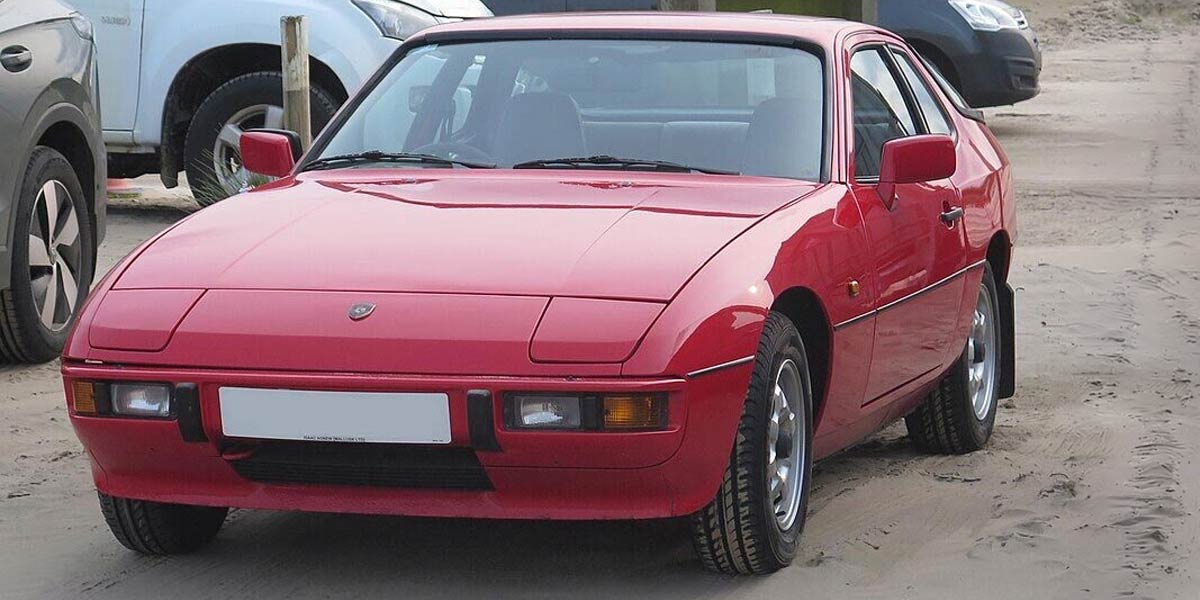
Image by Cutlass via WikiMedia
1980s Classic Cars Worth Considering for Young Drivers
The 1980s era produced some great classic cars which are still within reach for young drivers today. Here are some of our favourites for first-time owners.
VW Golf Mk2
As we mentioned above, the VW Golf is one of the most successful cars to this day. That’s why we can’t leave out the VW Golf Mk2. Produced between 1983 and 1992, around 6.3 million of these were made. In the current market, you can buy a VW Mk2 Golf for around £7,000 depending on its condition and working order.
Unlike the Mk1, the VW Golf Mk2 was never available as a convertible option. Instead, Volkswagen kept the Mk1 Golf Cabriolet in production through the whole duration of the Mk2’s lifespan.
As the Mk2 Golf is built on everything that made the original Golf a success, with some additional refinement and a more spacious cabin, it’s a great contender for a young driver’s classic car.
Pros of owning a VW Mk2 Golf:
- The Mk2 Golf offers a comfortable ride and additional space compared to the Mk1 model, so it’s practical for young drivers who are hoping to use it regularly.
- Much like the Golf Mk1, the Mk2 is incredibly reliable if it has been well looked after, making it a sensible option for young enthusiasts who want to spend more time on the road.
- Thanks to the Golf’s huge popularity, a wide range of parts and accessories are still readily available, making it one of the easier classic cars to repair and maintain.
Things to look out for before buying a VW Golf Mk2:
- The Mk2 Golf is generally less susceptible to rust than the Mk1, but given its age, it’s not completely immune. Check the bodywork and pay extra attention to the common trouble spots such as the battery tray wheel arches, lower door edges, and windscreen surrounds. Ultimately, the car’s condition should take priority over appealing mileage.
- Power steering wasn’t standard on the VW Mk2 Golf – it was an optional extra. That means many examples still have manual steering, which might not be what you’re looking for if you plan to do a lot of urban driving. So, it’s worth making sure the model you’re buying is equipped with power steering if this is something you want.
- As with the VW Golf Mk1, many Mk2 Golfs have been modified or upgraded in some way over their 30+ year lifespan. When buying, watch out for any poor-quality work that could be problematic down the line.
What is the road tax bracket for a VW Mk2 Golf?
As the VW Golf Mk2 was produced between 1983 and 1992, only the earlier models are currently old enough to qualify for road tax exemption. Later models are subject to the standard UK vehicle tax system until they reach 40 years old and are registered as historic vehicles.
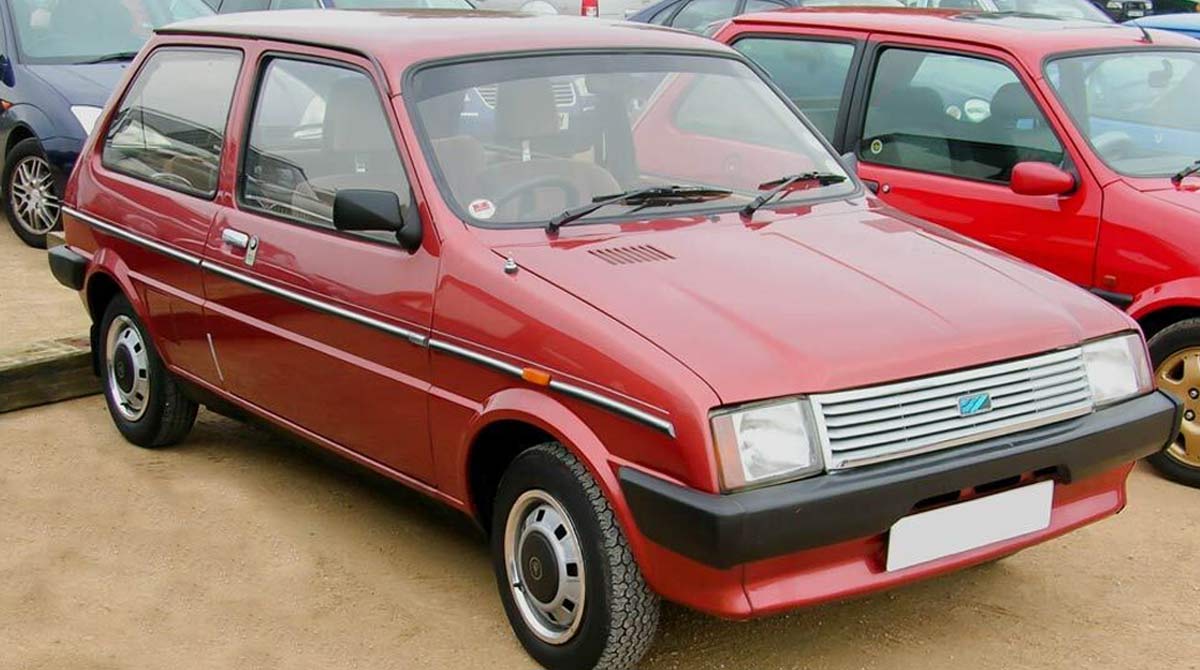
Image by DeFacto via WikiMedia
Austin Metro
Approximately 2 million Austin Metros were built between 1980 and 1998 produced by British Leyland (BL). First known as the Austin Mini Metro, it was famously designed to replace the original Mini. While that didn’t quite happen as planned, the Metro became successful in its own way. Austin Metros currently sell for around £4,000 to £8,000, which is ideal for young drivers.
Pros of owning an Austin Metro:
- Austin Metros are much more affordable for young drivers compared to many other classic cars.
- With its boxy shape, large windows, and slim pillars, the Austin Metro offers great all-round visibility, making parking and manoeuvring even easier for newer drivers.
- The Austin metro is a DIY-friendly classic. Basic tasks like changing spark plugs and oil are very easy to navigate – perfect for a young driver trying to learn about maintaining cars.
Cons of buying an Austin Metro:
- They are becoming increasingly rare, so it may require some patience to find the right one for you.
- Some replacement parts may be tricky to find. Lots of mechanical parts are easy enough to source, as they are shared with the classic Mini, but specific things like body panels and trim are likely to be more difficult to find.
- Across its UK variants, the average brake horsepower (bhp) for a classic Austin Metro is approximately 60 – 70 bhp, making it slower than some other alternatives.
What is the road tax bracket for a classic Austin Metro?
Austin Metros that are over 40 years old (pre-1986) may be exempt from Vehicle Excise Duty (road tax) if they have been correctly registered as historic vehicles with the Driver and Vehicle Licensing Agency (DVLA).
Models built from 1986 onwards currently remain subject to the standard UK vehicle tax rates.
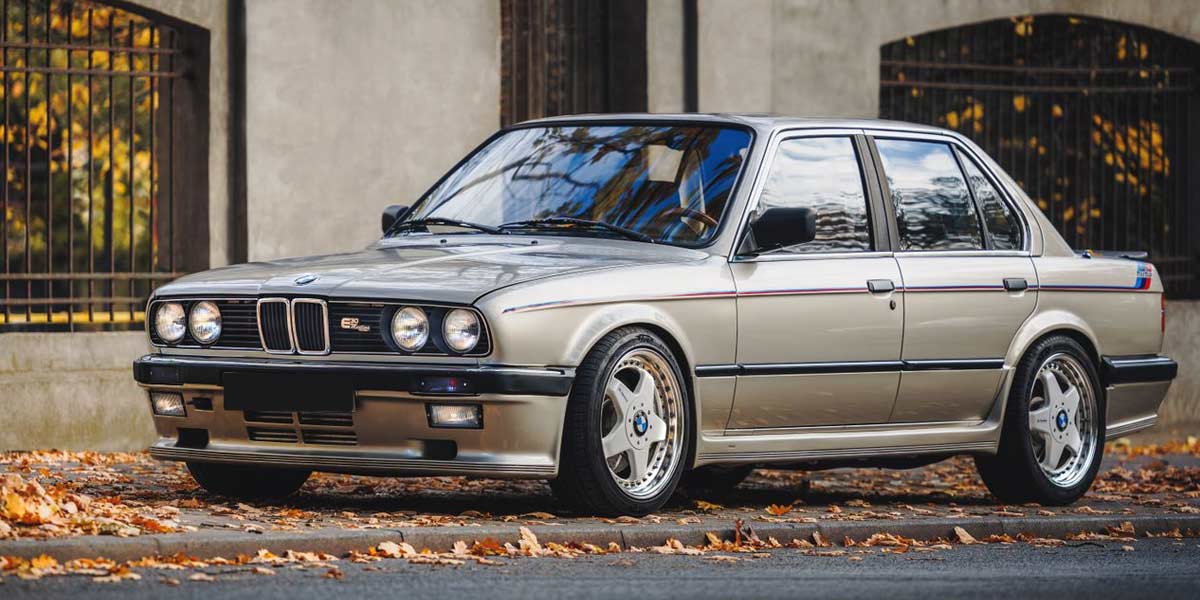
Image by Serhii Barkano via Pexels
BMW 3 Series (E30)
Built between 1982 and 1994, the BMW E30 was the second generation of the 3 Series. With over 2 million of them produced, it helped establish the 3 Series’ as one of BMW’s most popular models, thanks to its stylish design, enjoyable driving experience, and practicality for everyday use.
You can expect to pay anywhere between £6,000 and £15,000+, for a BMW E30 3 Series, depending on the engine size, mileage, specs, and condition.
Pros of owning an E30 BMW 3 Series:
- The E30 BMW has a huge community of enthusiasts, making ownership more enjoyable and social for young drivers.
- Although it’s reasonably compact, it is practical and comfortable enough for regular use.
- The E30’s timeless, iconic style is admired by many, making it a cool and appealing car for young motorists.
- It is one of the easier classic cars to maintain and work on yourself, as it offers a simple mechanical layout and a spacious engine bay – ideal for beginners.
Things to look out for before buying a BMW 3 Series (E30):
- Rust is common on these cars, so inspect the bodywork thoroughly before you buy.
- The sporty E30 BMW 3 Series models can be particularly expensive to buy.
- Check the condition of the dashboard inside the car. They can develop cracks, which can be quite costly to replace.
What is the road tax bracket for a BMW 3 Series (E30)?
The road tax bracket for the E30 BMW 3 Series depends on the age of the car. Models built over 40 years ago generally qualify for historic vehicle tax exemption, while younger models are still subject to the standard UK vehicle tax rates.
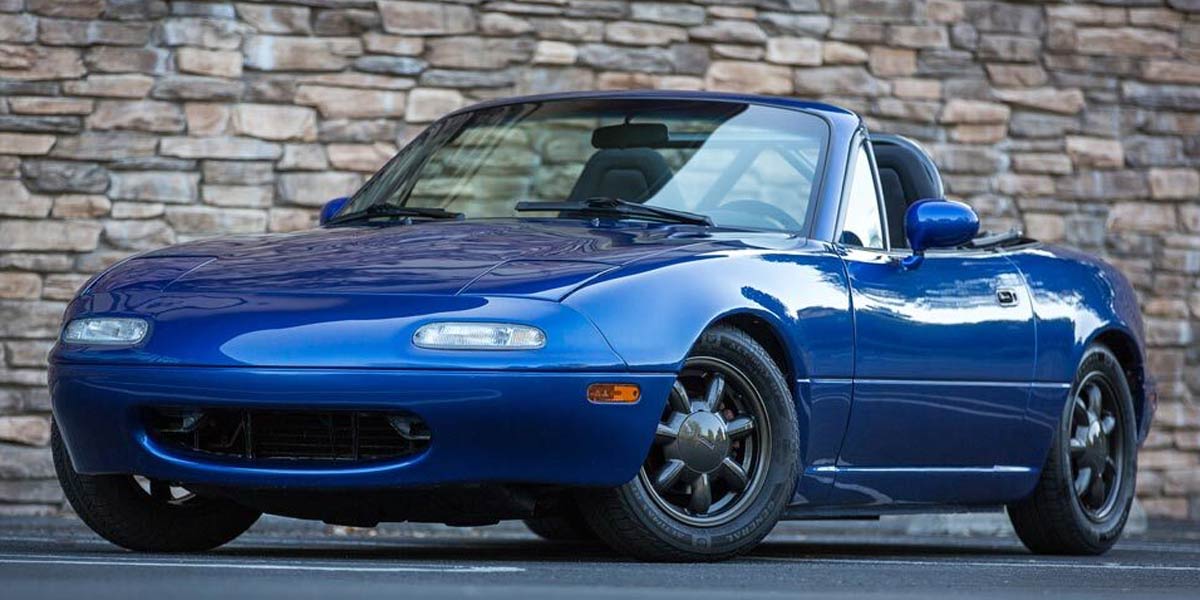
Image by Ondroeu via WikiMedia
1990s Classic Cars Worth Considering for Young Drivers
The 1990s gave us some great cars – many of which are now affordable modern classics that are surprisingly accessible for today’s young drivers. Here are a few great options for young drivers.
Mazda MX-5 Mk1
The Mk1 (NA) Mazda MX-5 was first introduced in 1989 at the Chicago Auto Show and went on to sell over 400,000 units worldwide. The Mk1 ceased production in 1998, making way for the Mk2 generation model. With its compact two-seater layout, soft-top roof, and cool pop-up headlights, it quickly became known as a fun, affordable sports car. Nowadays, you can buy a Mazda MX-5 Mk1 for around £6,000 to £9,000, depending on its condition.
With a rear-wheel-drive setup, it delivers an agile and entertaining driving experience, without having too much power. Despite its sporty personality, the Mk1 MX-5’s compact nature makes it easy to manoeuvre on all kinds of roads, making it an excellent choice for newer drivers.
Pros of owning a Mazda MX-5 Mk1:
- The Mk1 Mazda MX-5 is known for its reliability compared with other sports cars of its age. This means well-maintained examples are a good choice for young drivers.
- It handles brilliantly due to its responsive, compact, and lightweight design, making it a fun experience behind the wheel.
- The MX-5 has a huge community of enthusiasts and owners. Through owners’ clubs, local meets, and online forums, young drivers can easily find advice, share experiences, and build friendships with likeminded people.
Things to look out for before buying a Mk1 Mazda MX-5:
- The cabin and boot space in a Mk1 MX-5 is limited due to its compact, sporty design, which can mean it’s not super practical for daily use or longer trips.
- Check the sills and wheel arches, as these are the areas most prone to rust on the MX-5.
What is the road tax bracket for a Mazda MX-5 Mk1?
All Mk1 Mazda MX-5s are currently subject to UK road tax, as they’re all under 40 years old. This means they’re not yet old enough to qualify for the historic vehicle tax exemption.
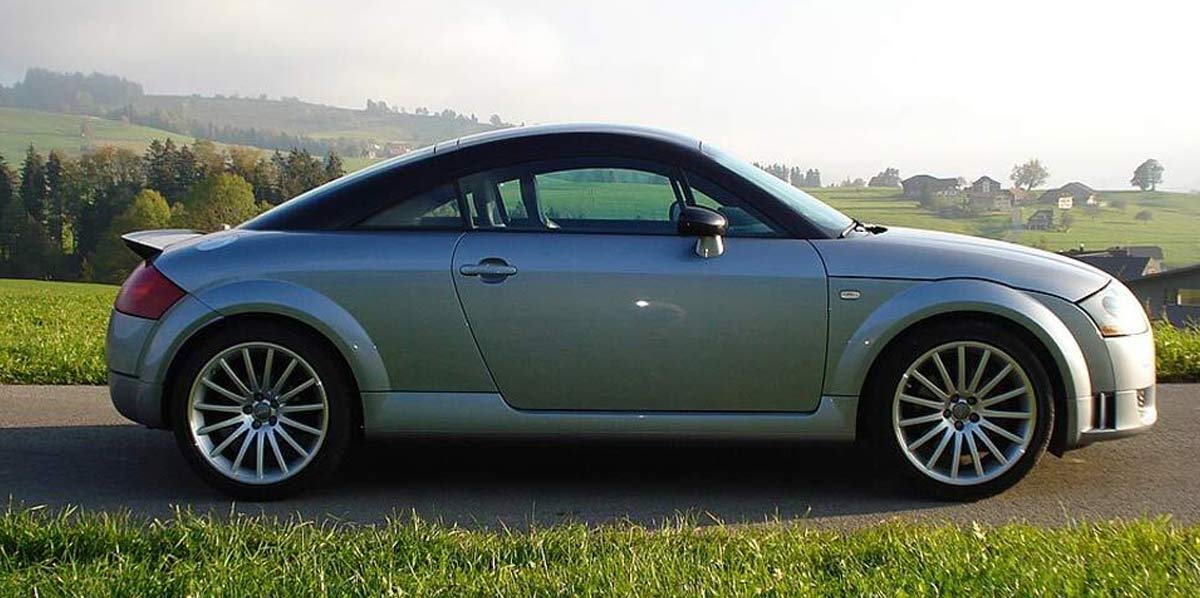
Image by Tommi02 via WikiMedia
Audi TT Mk1
With around 275,000 Mk1 Audi TTs made between 1998 and 2006, there are still plenty available on the market. Prices currently range from around £4,000 to £8,000 depending on mileage, condition, and specs, which makes them a very affordable option for young motorists. Some TTs were produced with front-wheel drive, while others featured Audi’s all-wheel drive (Quattro) system, so you can generally expect to find both on the market.
The Audi TT Mk1 combines a stylish coupe design with stable handling and easy manoeuvrability, making it ideal for young drivers.
Pros of owning a MK1 Audi TT :
- One of the best things about the Mk1 Audi TT is the value it offers. You can get a well-built, quality car for a relatively low price.
- Despite being a compact car, it is surprisingly comfortable.
- The Quattro (all-wheel drive) model provides a more planted driving experience.
Things to look out for before buying a Mk1 Audi TT:
- It can sometimes be tricky to find one that’s in a good condition at the lower end of the price range, so you may have to spend a little more and search for models that have been looked after with a thorough service history.
- If you intend to carry passengers regularly, this probably isn’t the best option for you, as the rear seats offer very limited space and legroom.
- While the Mk1 Audi TT is more resistant to rust than some other cars of its age, it’s not completely immune. Pay attention to the wheel arches and lower sills for a good indication of the bodywork’s condition.
What is the road tax bracket for a Mk1 Audi TT?
Mk1 Audi TTs are still reasonably young, so they all currently fall under the UK’s Vehicle Excise Duty (road tax) system. The amount you’ll need to pay depends on things like the car’s age, engine size, and emissions.
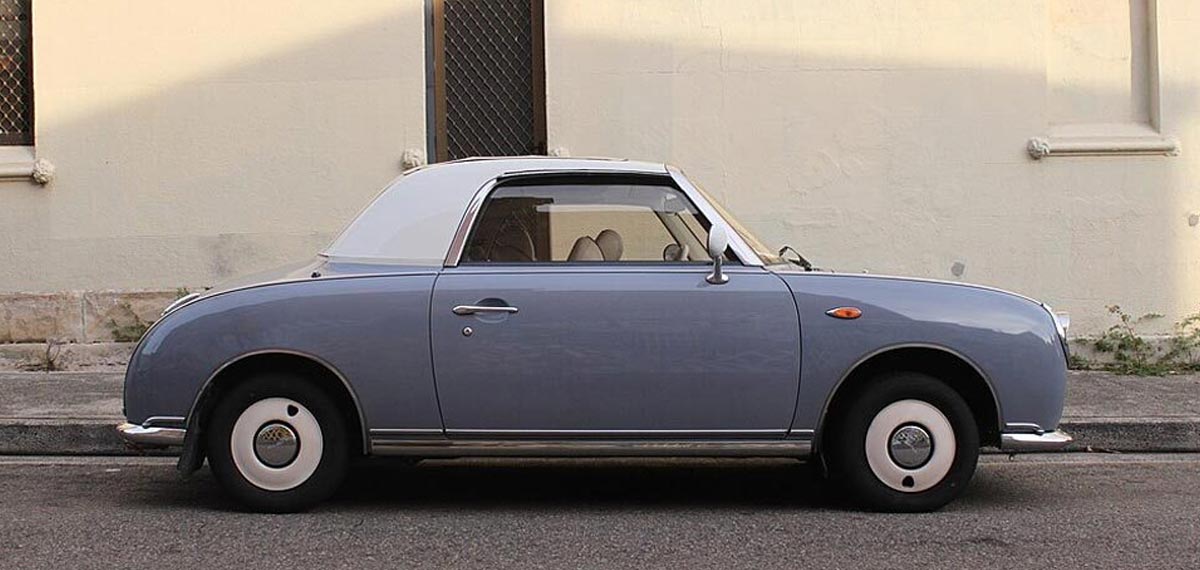
Image by Jeremy via WikiMedia
Nissan Figaro
Produced for a single year in 1991, and with a total of only 20,000 cars built, the Nissan Figaro quickly became a hit. They were originally built exclusively for the Japanese market and were sold through a lottery arranged by Nissan.
These compact, stylish cars were based on the same chassis as the original Nissan Micra and left the factory with a 1.0-litre turbo engine. They were available in four gemstone-inspired colours: Emerald Green, Pale Aqua, Topaz Mist, and Lapis Grey.
Over the years, many Figaros made their way to the UK, where they have become a popular classic. You can typically expect to pay between £5,000 and £10,000 for a good example in the current market, with prices depending on things like condition and mileage etc.
Pros of owning a Nissan Figaro :
- The Nissan Figaro can be remarkably reliable when it’s maintained well.
- With its unique style and retro charm, it stands out wherever it goes and has a big following of enthusiasts.
- There are a wide range of replacement parts and accessories available for the Nissan Figaro, making maintenance and repairs easier.
Things to look out for before buying a Nissan Figaro:
- Like many classic cars, the Nissan Figaro can be affected by rust. Check the bottom of the doors, the edges of the bonnet and boot, and other common corrosion hotspots to get a good indication of the car’s condition.
- The Figaro is comfortable and fun to drive, but it doesn’t have lots of power, so it’s best suited for short urban journeys and weekend outings rather than regular long cruises.
- While it does have bundles of character, it isn’t the most practical daily driver. Its compact cabin, small boot, and limited passenger space make it better suited as a second car or weekend ride.
What is the road tax bracket for a Nissan Figaro?
Nissan Figaros are under 40 years old, which means they are still subject to the standard UK road tax system. Visit the official Gov website for the most up-to-date road tax rates.
Specialist Young Drivers Insurance from Just Kampers Insurance
Buying the right car is only part of the journey. Choosing the right insurance is just as important, particularly if you’re a young driver. Here at Just Kampers Insurance, we’ve been insuring young drivers and all kinds of classic cars since 1998, so we know exactly how to find the best cover that suits both you and your vehicle.
Get an online quote today or call our friendly team on 01256 44 45 46 to find out more.
Summary
Buying a classic car as a young driver is more accessible than many realise, and it doesn’t have to mean compromising on affordability or reliability. From hatchbacks to coupes, there are plenty of great options that come with manageable costs, practical space, and easy access to replacement parts.
As a general rule, try to buy the best example you can afford. Inspect it thoroughly before you buy, carry out your own research, and arrange specialist insurance to ensure you’re properly protected. If you follow all the right steps, classic car ownership can be an incredibly valuable and rewarding experience as a young driver.
In this article
- 1960s Classic Cars Worth Considering for Young Drivers
- Fiat 500
- Classic Mini
- Triumph Spitfire
- 1970s Classic Cars Worth Considering for Young Drivers
- VW Beetle
- VW Golf Mk1
- Porsche 924
- 1980s Classic Cars Worth Considering for Young Drivers
- VW Golf Mk2
- Austin Metro
- BMW 3 Series (E30)
- 1990s Classic Cars Worth Considering for Young Drivers
- Mazda MX-5 Mk1
- Audi TT Mk1
- Nissan Figaro
- Specialist Young Drivers Insurance from Just Kampers Insurance
- Summary