Being involved in a road accident can be stressful, whether it’s a minor bump in a car park or a more serious collision. In the moments immediately afterwards, it can be difficult to think clearly and remember exactly what you’re supposed to do.
Knowing what to do after a car accident in the UK, and, just as importantly, what not to do, can help keep everyone safe, ensure you meet your legal responsibilities and make the insurance claims process easier.
Whether you’re driving your everyday car, classic vehicle, campervan, motorhome or van, this guide explains the important steps to take following an accident.
What Should You Do Immediately After a Car Accident?
Your priority after any road traffic accident should always be safety.
If you’re involved in a collision which causes injury or damage to another person, vehicle, animal or property, you must stop. Where possible, stop somewhere that does not expose you or other road users to additional danger.
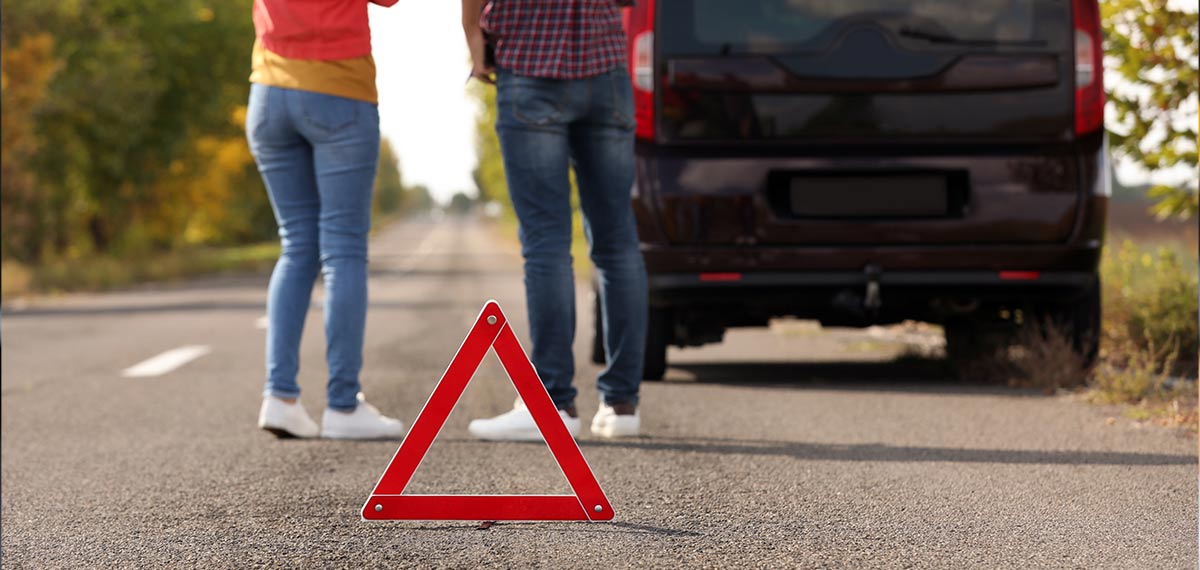
Switch off your engine, apply the handbrake and turn on your hazard warning lights. Before worrying about damage to your vehicle, check yourself and your passengers for injuries and establish whether anybody else involved needs assistance.
If somebody is injured, the road is blocked, or there is another immediate danger, contact the emergency services. Don’t put yourself at unnecessary risk while trying to help others, particularly on a motorway or another high-speed road.
The Highway Code advises drivers who need to stop following an incident to try to reach a place of relative safety, where they, their passengers and their vehicle are less exposed to moving traffic.
Do Exchange Details With the Other Driver
Once it is safe to do so, exchange details with the other people involved.
Following an accident involving injury or damage, you may be legally required to provide your name and address, the vehicle owner’s name and address if different, and the vehicle registration number to somebody with reasonable grounds for requesting them.
It’s also sensible to obtain as much relevant information from the other driver as possible, including their full name, contact details, vehicle registration number and insurance information.
If there are independent witnesses, ask whether they are willing to provide their name and contact details as well. Their account could become useful if there is later disagreement about how the accident happened.
Try to remain calm and courteous throughout the exchange, even if you believe the other person caused the accident.
Do Collect Evidence at the Scene
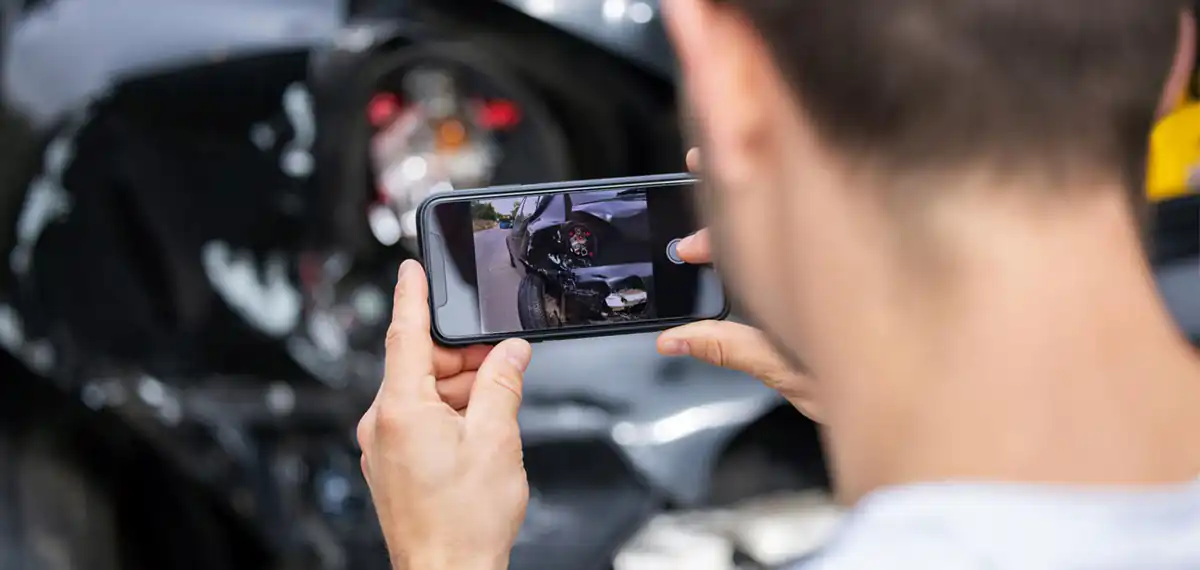
If it is safe, gathering evidence immediately after an accident can make a significant difference when an insurance claim is investigated.
Use your phone to photograph the vehicles, their positions where possible, the damage sustained and the wider accident scene. It may also be helpful to photograph road markings, junction layouts, traffic signs, skid marks, debris and anything else which could help establish what happened.
Make a note of the date and time, exact location, weather and road conditions and the direction in which each vehicle was travelling. Record the make, model, colour and registration of the other vehicles involved.
If your vehicle has a dashcam, make sure the relevant footage is preserved as soon as possible so that it isn’t automatically overwritten.
For campervans and motorhomes, remember to document damage beyond the exterior bodywork. A collision could potentially affect windows, pop-tops, awnings, interior fittings, furniture or equipment, so photograph any visible damage before repairs or alterations are made.
Don’t Admit Liability at the Scene
One of the most important things not to do after a car accident is admit that the collision was your fault.
In the immediate aftermath, you may not have all the information needed to understand exactly what happened. Even an apparently straightforward collision can involve factors you weren’t aware of at the time.
Avoid statements such as “it was completely my fault”, promises to pay for somebody else’s repairs or attempts to reach an informal financial settlement at the roadside.
You can still be polite, check that everybody is safe and exchange the required information without accepting liability.
Provide an accurate account of what happened to your insurer and allow the relevant insurers to assess the evidence and determine liability.
When Should You Report an Accident to the Police?
Not every minor road accident requires the police to attend, but there are circumstances in which an accident needs to be reported.
Under the Highway Code, if you don’t provide your name and address at the scene following a collision covered by the relevant rules, you must report the accident to the police as soon as reasonably practicable and, in any case, within 24 hours.
There are additional requirements where somebody has been injured. If another person is injured and you don’t produce your insurance certificate at the scene to a police officer or another person with reasonable grounds to request it, the accident must be reported to the police as soon as possible and within 24 hours, with the insurance certificate subsequently produced to the police within the required period.
You should also contact the emergency services immediately where someone is seriously injured or there is an ongoing danger.
If you’re uncertain about your legal responsibilities following a collision, seek appropriate advice rather than assuming that no further action is necessary.
Do Tell Your Insurer About the Accident
You should notify your insurer about an accident as soon as reasonably possible, even if the damage looks minor or you don’t currently intend to make a claim.
Your individual insurance policy will set out the notification requirements that apply to you, so check your policy documents and follow them carefully.
A small scrape can become more complicated if the other person subsequently makes a claim, and notifying your insurer promptly means there is already a record of your account of what happened.
When reporting the accident, have as much information available as possible, including your policy number, the date and location of the incident, details of the other vehicles and drivers, photographs, witness information and any police reference number you have been given.
Just Kampers Insurance customers who need to make a claim can contact our claims handling service. Our claims team is available 24 hours a day, seven days a week, and will guide you through the claims process.

Why compromise on insuring your precious vehicle when we’ll give you £50* if we are not the cheapest.
Don’t Arrange Repairs Before Speaking to Your Insurer
If your vehicle has been damaged, resist the temptation to arrange major repairs immediately without first discussing the situation with your insurer or claims handler.
Your insurer may need to inspect the vehicle, assess photographs or arrange for an approved repairer to examine the damage before repairs are authorised.
This can be particularly important if you own a classic vehicle or campervan. Older and modified vehicles can have specialist components, unusual conversions or difficult-to-source parts, and seemingly cosmetic accident damage may conceal other problems.
If the vehicle is unsafe to drive, don’t attempt to continue your journey simply because the damage doesn’t look severe. Arrange suitable recovery instead.
Don’t Throw Away Damaged Items or Evidence
After an accident, keep relevant photographs, dashcam footage, correspondence, receipts and other records connected with the incident.
If personal belongings or equipment inside your campervan or vehicle have also been damaged, photograph them and retain evidence of their condition and, where available, ownership or value.
You may also incur expenses following an accident. Keep receipts and records for costs which are connected with the incident, as some may potentially be recoverable depending on your policy, legal cover and the circumstances of the claim.
Don’t Ignore Letters, Emails or Calls About the Accident
If you subsequently receive correspondence relating to the accident from the other driver, their insurer, a solicitor or another representative, don’t simply ignore it.
Contact your insurer or claims handler and follow their instructions. Just Kampers Insurance advises customers who receive third-party correspondence to forward it unanswered so that it can be dealt with appropriately.
You should also be cautious about unexpected calls from organisations claiming to be connected with your accident. Don’t provide sensitive information until you’re satisfied you know who you’re dealing with and why they are contacting you.
What if the Other Driver Leaves Without Giving Their Details?
If another vehicle leaves the scene without the driver exchanging details, try to record as much information as you safely can.
The vehicle registration is particularly useful, but also note the make, model, colour and direction of travel. Keep any photographs or dashcam footage and obtain details from witnesses.
Report the incident to the police where required and tell your insurer promptly. Don’t chase the other vehicle or put yourself and other road users in danger trying to stop it.
What if You Don’t Want to Make an Insurance Claim?
You might decide that the damage to your vehicle is so minor that you don’t want to make a claim. That doesn’t necessarily mean you should keep the accident from your insurer.
Insurance policies commonly require policyholders to report incidents which could potentially result in a claim, even where they don’t intend to claim for their own damage.
Just Kampers Insurance advises customers to notify their insurer of incidents involving the insured vehicle even when no claim is going to be made, so that the relevant records can be kept up to date.
What Happens After You Report an Accident?
The exact claims process will depend on your policy and the circumstances of the accident.
Your claims handler will normally ask you for an account of the incident and details of the other people and vehicles involved. They may also request photographs, dashcam footage, witness details and information about the damage to your vehicle.
Depending on your cover and the circumstances, arrangements can then be made to assess the damage and determine whether the vehicle can be repaired.
Where an incident appears to be non-fault, legal expenses cover may also help with certain uninsured losses, subject to the terms, limits and exclusions of the relevant policy.
Just Kampers Insurance motor policies include legal protection as standard, which may assist with eligible out-of-pocket expenses following an accident that wasn’t your fault. Always check your policy wording to understand exactly what is covered.
A Quick Checklist: What to Do After a Car Accident
If you’ve been involved in an accident, remember these essential steps:
- Do stop and make the scene as safe as possible. Check yourself, your passengers and other people for injuries before thinking about vehicle damage.
- Do call the emergency services when necessary. Serious injuries, immediate danger and certain road situations require urgent assistance.
- Do exchange details. Obtain the other driver’s name, contact and vehicle details and make sure you provide the information legally required from you.
- Do gather evidence. Photographs, dashcam footage, witness details and notes made at the scene can all prove valuable later.
- Do report the accident to your insurer promptly. Check your policy terms and provide an accurate account of what happened.
- Don’t admit liability. Stick to the facts and allow the insurers to determine responsibility.
- Don’t agree to an informal roadside settlement. What looks like a minor repair can turn out to be considerably more expensive.
- Don’t arrange significant repairs without speaking to your insurer. Give your claims handler the opportunity to advise you about assessment and repair.
- Don’t dispose of evidence. Keep photographs, footage, receipts and relevant correspondence.
- Don’t drive an unsafe vehicle. If you’re uncertain whether the vehicle is roadworthy after the collision, arrange recovery rather than taking the risk.
In Summary : Be Prepared Before an Accident Happens
Nobody sets out expecting to have an accident, but a little preparation can make a stressful situation easier to manage.
Keep your insurer’s claims contact information somewhere accessible, make sure your phone is charged before longer journeys and consider carrying basic emergency equipment such as a high-visibility jacket, torch and first-aid kit.
It’s also worth reading your insurance documents before you actually need them. Understanding your excess, claims procedure, breakdown cover, legal protection and any restrictions relating to repairs means there are fewer surprises if something goes wrong.
Campervan and motorhome owners should make sure their insurer is aware of relevant modifications, conversions and valuable equipment before an accident occurs. Keeping photographs and documentation relating to your vehicle can also make it easier to demonstrate its specification and condition if you later need to make a claim.
Need to Make a Claim With Just Kampers Insurance?
Our aim is always to ensure that, should the worst happen, your claims process is as smooth as possible. We pride ourselves on the way we handle your claim.
Please make sure you’ve got your policy reference number to hand, so that we can handle your claim as quickly as possible. It’s clearly marked on your insurance paperwork, and available from the email(s) we’ve sent you about your insurance policy.
Claims Telephone Number
Email Enquiries
What Should I Do and Not Do if I Have an Accident? FAQs
Do I need to tell my insurer about an accident if I’m not making a claim?
Yes, you should still notify your insurer about the incident, even if you don’t intend to claim for damage to your own vehicle. Your policy may require you to report incidents which could potentially lead to a claim, particularly if another driver later decides to make a claim against you.
Reporting the accident promptly also ensures your insurer has a record of your version of events.
How quickly should I contact Just Kampers Insurance after an accident?
You should report an accident as soon as reasonably possible. Having your policy number, details of what happened, information about the other people and vehicles involved, photographs and any witness details to hand can help make the process easier. Just Kampers Insurance customers have access to a claims service 24 hours a day, seven days a week.
Will I have to pay my excess if the accident wasn’t my fault?
If you make a claim through your own insurance policy, your policy excess may still be payable initially. Depending on the circumstances of the accident, you may subsequently be able to recover this from the responsible party.
Your claims handler can explain what applies to your particular claim and whether your excess may be recoverable.
Can legal protection help if the accident wasn’t my fault?
Just Kampers Insurance policies include legal protection, which can provide assistance following a non-fault accident, subject to the policy terms, limits and exclusions.
This can include help pursuing eligible uninsured losses, such as an excess you have paid, as well as assistance with certain legal expenses, vehicle hire or claims relating to injuries and other losses.
Will I get a courtesy car while my vehicle is being repaired?
This will depend on your cover and how your claim is handled. If you make a claim under a comprehensive policy and use an approved repairer, a courtesy car may be available for the duration of the repairs, subject to availability.
Different arrangements may apply following a non-fault accident, so speak to your claims handler before arranging alternative transport yourself.
What happens if my campervan or motorhome is written off?
Your insurer will assess the vehicle and the terms of your policy before determining how the claim will be settled.
This is particularly important for classic, converted and specialist vehicles, where modifications and the vehicle’s specification can have a significant impact on its value. If your policy includes Agreed Value cover, check your policy documents to understand how this applies to a total-loss claim.
What if modifications to my campervan are damaged in the accident?
Make sure you tell your claims handler about damage to modifications and converted parts of the vehicle, rather than documenting only the exterior bodywork.
Photograph damaged pop-tops, awnings, furniture, fitted equipment and other converted elements where it is safe to do so. Keeping photographs and documentation relating to modifications before an accident can also help demonstrate your vehicle’s specification and condition.
Should I arrange my own garage to repair the vehicle?
Speak to your insurer or claims handler before authorising significant repairs. The insurer may need to inspect the vehicle, review photographs or agree repair costs before work begins.
This can be especially important with classic vehicles, campervans and motorhomes, where specialist components or conversion work may require particular expertise.
What should I do if the other driver’s insurer contacts me directly?
Don’t ignore correspondence about the accident, but avoid getting drawn into discussions about liability or agreeing a settlement without speaking to your insurer.
Just Kampers Insurance advises customers to forward third-party correspondence unanswered so it can be dealt with appropriately.
What if the other driver doesn’t have insurance or leaves the scene?
Gather as much information as you safely can, including the vehicle registration, make, model and colour, photographs or dashcam footage, and witness details.
Don’t attempt to chase a vehicle that leaves the scene. Report the incident to the police where required and contact your insurer promptly so they can advise you on the next steps.
Can I claim for belongings damaged inside my campervan or motorhome?
Whether damaged belongings are covered will depend on your individual policy and the cover you have selected.
If items inside your vehicle are damaged in an accident, photograph them and keep any evidence of ownership and value, such as receipts. Don’t dispose of damaged items until you have spoken to your claims handler.
What happens to my no-claims bonus after an accident?
The effect on your no-claims bonus will depend on factors including how the claim is recorded and the terms of your policy. Even where you have a protected no-claims bonus, a fault or pending claim may still affect future insurance premiums.
Check your policy documents or speak to the Just Kampers Insurance team if you’re unsure how a particular claim could affect your policy.
What information should I have ready when I report an accident?
It helps to have as much information as possible available, including your policy number, the date and location of the accident, details of the other driver and vehicle, photographs of the scene and damage, witness details, dashcam footage and any police reference number.
Don’t worry if you don’t have everything immediately. Report the incident promptly, and your claims handler can explain what additional information may be needed.
In this article
- What Should You Do Immediately After a Car Accident?
- Do Exchange Details With the Other Driver
- Do Collect Evidence at the Scene
- Don’t Admit Liability at the Scene
- When Should You Report an Accident to the Police?
- Do Tell Your Insurer About the Accident
- Don’t Arrange Repairs Before Speaking to Your Insurer
- Don’t Throw Away Damaged Items or Evidence
- Don’t Ignore Letters, Emails or Calls About the Accident
- What if the Other Driver Leaves Without Giving Their Details?
- What if You Don’t Want to Make an Insurance Claim?
- What Happens After You Report an Accident?
- A Quick Checklist: What to Do After a Car Accident
- In Summary : Be Prepared Before an Accident Happens
- Need to Make a Claim With Just Kampers Insurance?
- What Should I Do and Not Do if I Have an Accident? FAQs