
It is becoming ever more popular these days to convert a standard panel van into a dream home on wheels. It’s both a rewarding and cost-effective route into campervan ownership that gives you complete control of the look, ergonomics, and layout of your van.
Reclassifying your van as a campervan with the DVLA (Driver and Vehicle Licensing Agency) is an essential last step for insurance purposes, and the road tax benefits that this classification attracts. But what criteria specifically does the DVLA need to see evidence of to ensure its reclassification?
This blog will help guide you through the reclassification process.
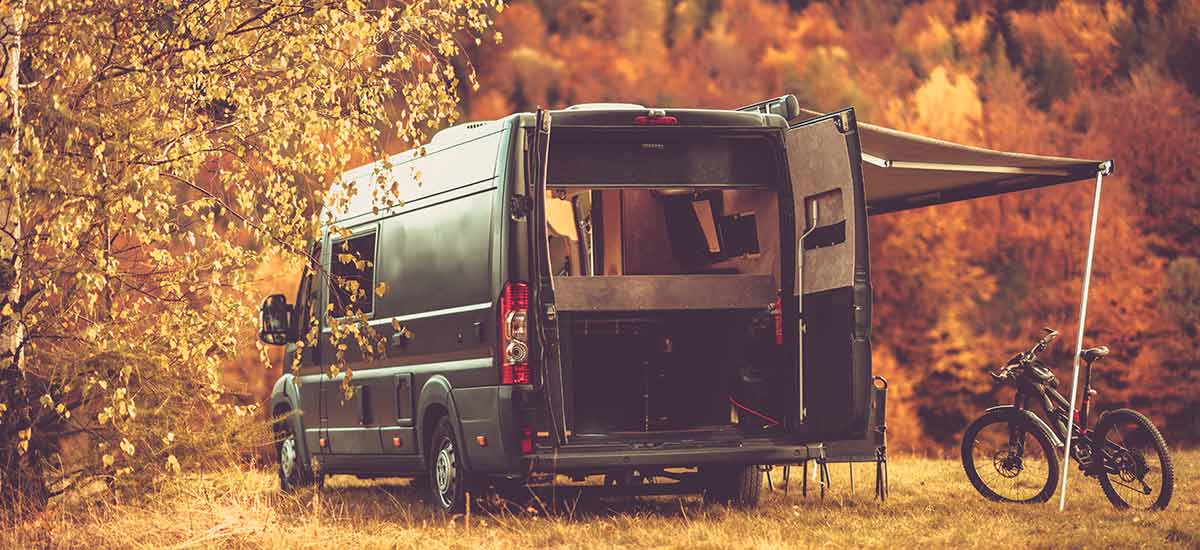
What is DVLA Vehicle Classification?
The classification of vehicles is based on their design and the primary use that they’re kitted out for. In order to get your converted van classified as a camper through the DVLA, it should have the following facilities as a minimum:
Designated Bed or Sleeping Area
This can be either in the form of a fixed permanent bed in a large VW Crafter type conversion, or more commonly a rock and roll type bed, consisting of seating that slides flat for use as a bed. It is not enough to bung an air bed on the floor!
Cooking Facilities
There must be either a fitted cooker or designated cooking area with a removable cooker.
A Sink
Water supply and a sink should also be present. This isn’t a specific requirement, but does help to evidence to the DVLA that your van is now a campervan. Either a proprietary fitted sink with taps with a water tank or a bowl will suffice at the basic end of the scale.
Storage
There should be fitted storage for personal belongings present, including for cooking equipment.
Registering Your Van as a Camper: The Reclassification Process
Documentation
Ensure that all relevant documentation is present including the original V5, evidence of conversion work in the form of photographs of the process and receipts for work done.
Photos must be taken to show beyond reasonable doubt that the conversion relates to your actual vehicle, so try to include pictures that show your vehicle registration plate to do this.
Vehicle Compliance
Ensure that any changes made to your vehicle do not affect the structural and handling safety characteristics, and that any appliances meet installation and safety regulations.
Modifications
If converting your vehicle from scratch, then the following modifications will need to be made to ensure reclassification.
Install permanent and safe sleeping and cooking facilities.
Ensure that wiring, piping, electrical and gas appliances are correctly fitted and adhere to safety regulations.
Other modifications like fitting a sink or fridge will help to evidence and solidify your reclassification application.
Our sister company Just Kampers offers a huge range of parts and accessories for all kinds of campervans. Plus, when you insure your vehicle with us, you’ll get an exclusive 10% discount on your orders with Just Kampers for the duration of your policy!
DVLA Reclassification Application
Complete the V5C application form ensuring that you describe in detail the new features of your converted vehicle and the required reclassification change. Include all evidence, photos and receipts to support your application.
Send the completed V5C form and supporting evidence to the DVLA by the address provided by them. Your request may take several weeks to process and could involve further questions or evidence of your conversion prior to a decision being made.
Once DVLA have reviewed your application they will either send you a new V5C showing the classification change to campervan or motorhome or inform you of any further actions required to meet their criteria for classification change.
What Happens After Successful Reclassification?
Road Tax
Your vehicle’s category for road tax may well have changed, so ensure you check through the DVLA what your new yearly tax rate is.
Insurance
You must update your insurance policy and notify your insurer of this change, as there are different criteria between insuring a campervan and a standard commercial van. It may even reduce your premiums.
Here at Just Kampers Insurance, we’ve been providing specialist campervan insurance since 1998, and many of us are proud owners ourselves. That’s why we’re committed to helping you get the best deals on your campervan insurance – so you can protect your pride and joy while keeping your cover affordable.
Summary
By carrying out your own camper conversion, either as a self-build or with a conversion professional, you will have the benefits of owning a completely unique campervan that suits your wants and needs.
Reclassifying it through the DVLA will ensure that your vehicle still meets safety regulations, both automotive and in terms of your conversion, but is also likely to reduce your insurance premiums. Hopefully this blog will help you in the reclassification of your commercial van to a fully fledged luxurious camper.
In this article
- What is DVLA Vehicle Classification?
- Designated Bed or Sleeping Area
- Cooking Facilities
- A Sink
- Storage
- Registering Your Van as a Camper: The Reclassification Process
- Documentation
- Vehicle Compliance
- Modifications
- DVLA Reclassification Application
- What Happens After Successful Reclassification?
- Road Tax
- Insurance
- Summary