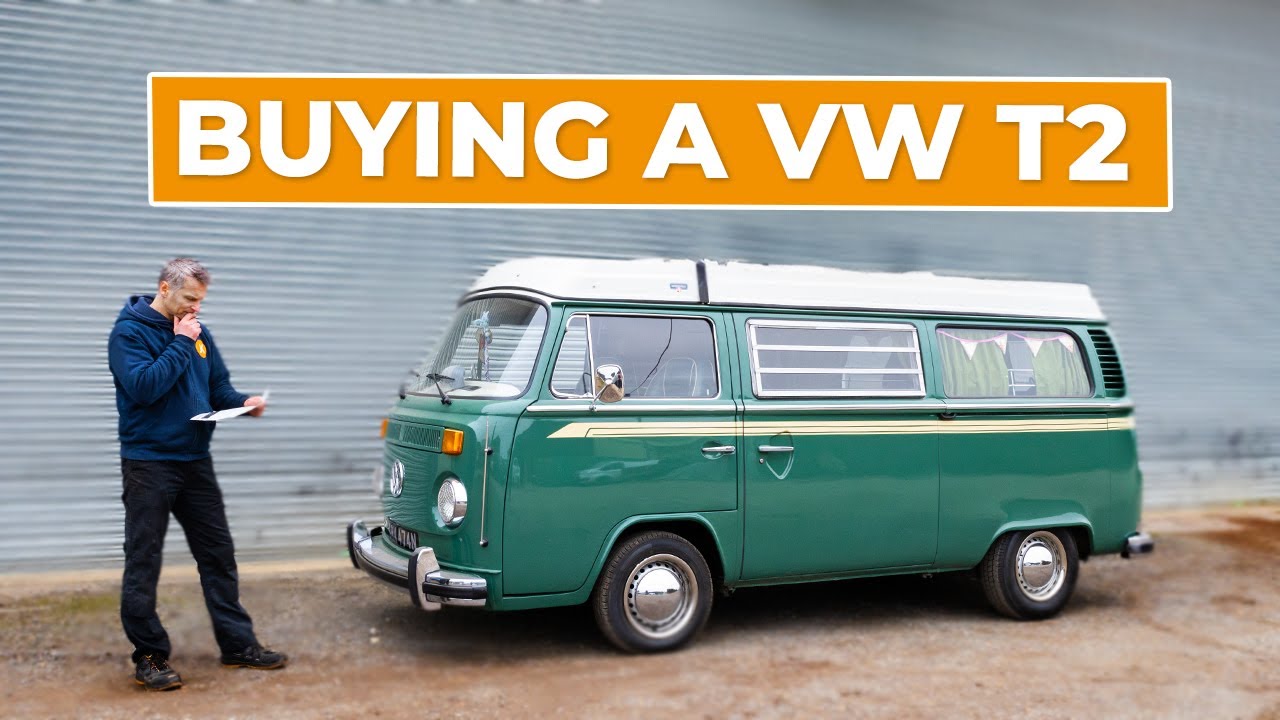
Buying a classic campervan is an exciting step, whether you’re dreaming of weekends away or investing in a much-loved VW air-cooled icon such as a Split Screen or Bay Window. However, classic vehicles require a more careful inspection than modern vans. Age, previous restorations and originality all play a major role in value, reliability and insurability. This checklist is designed to help you inspect a classic campervan with confidence before you buy and to understand your insurance options once you’ve found the right vehicle, with support from Just Kampers Insurance.
Jump to:
Bodywork and Rust – The Number One Priority
Engine, Gearbox, Brakes and Running Gear
Interior Condition and Camper Conversion
Electrics and Safety Features
Documentation and Vehicle History
Consider Specialist Insurance Once You’ve Chosen Your Campervan
Summary – Buy Carefully, Insure Properly
1. Bodywork and Rust – The Number One Priority
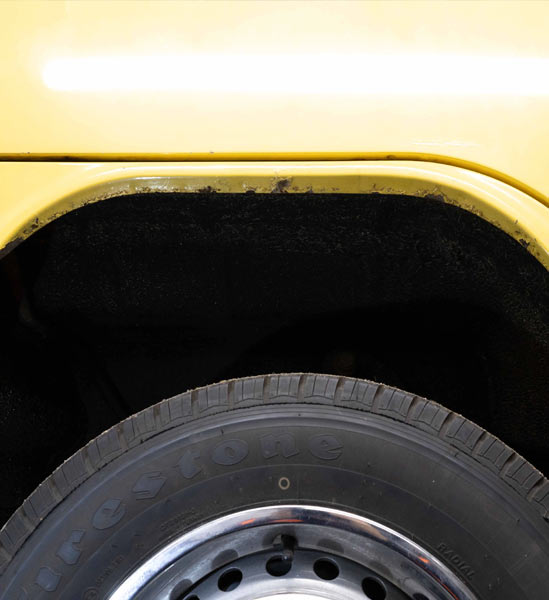
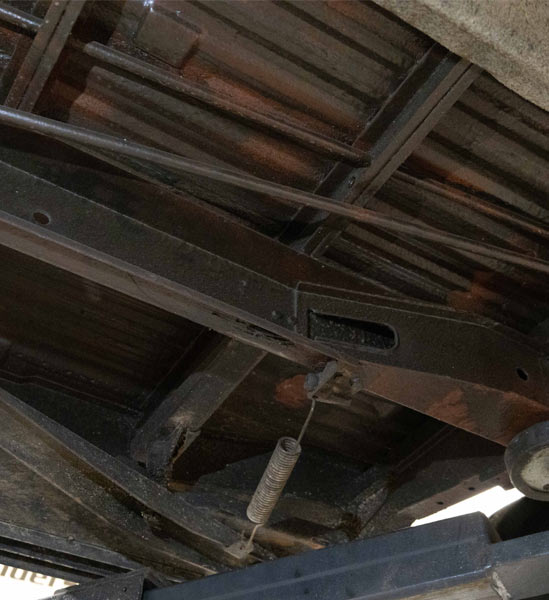
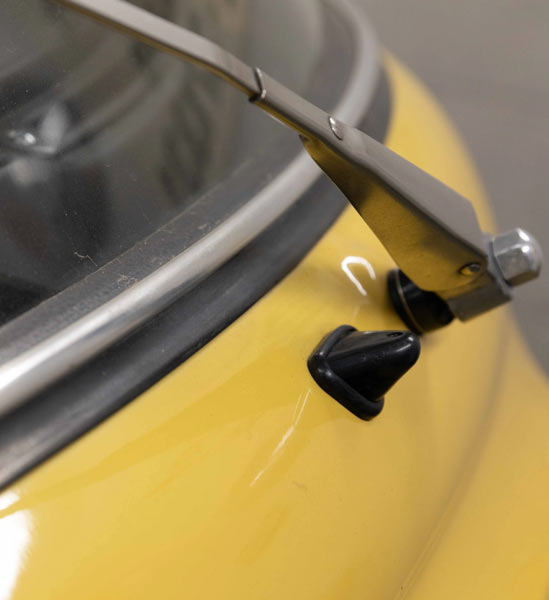
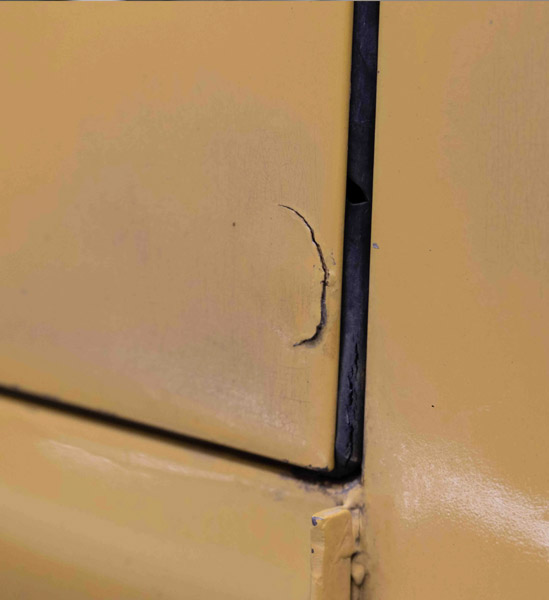
When inspecting any classic campervan, rust should be your first concern. Mechanical parts can usually be repaired or replaced, but structural rust can be expensive and difficult to fix properly. Pay close attention to common rust areas such as sills, wheel arches, jacking points, outriggers, floorpans and chassis rails. On VW campervans, also check around the windscreen, window frames and rain gutters, as water ingress often starts here.
Look for bubbling paint, mismatched panels or heavy underseal, which can sometimes hide poor repairs. A magnet can help identify excessive filler, but a professional inspection is always recommended if you’re unsure. Extensive rust repairs can affect both the value of the campervan and the type of insurance cover available.
2. Engine, Gearbox, Brakes and Running Gear
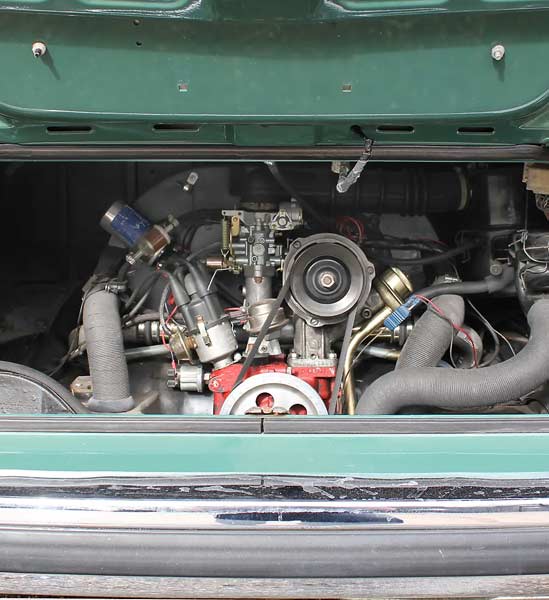
Classic campervans, particularly air-cooled VWs, have engines that are simple but need to be well-maintained. Check for oil leaks, excessive smoke, knocking noises and smooth idle. A healthy air-cooled engine should start easily when cold and not smell strongly of fuel or oil. Keep an eye out for blue smoke from the exhaust, sluggish performance, and any missing components in the engine bay.
The most important thing to check is the end float. With the engine turned off (!), tug at the bottom pulley. If you see any movement in and out, it indicates wear in the crankshaft or crankcase. Oil leaks are incredibly common and can originate from various places, such as leaking pushrod tubes, a blown oil cooler seal, or the sump gasket, among others. The leak you definitely want to avoid is oil seeping from between the engine and gearbox. This indicates that the flywheel oil seal has failed, and fixing it requires removing the engine. If not addressed, you could lose a significant amount of oil, potentially leading to engine failure. A slipping clutch can be a major sign that this issue is occurring.
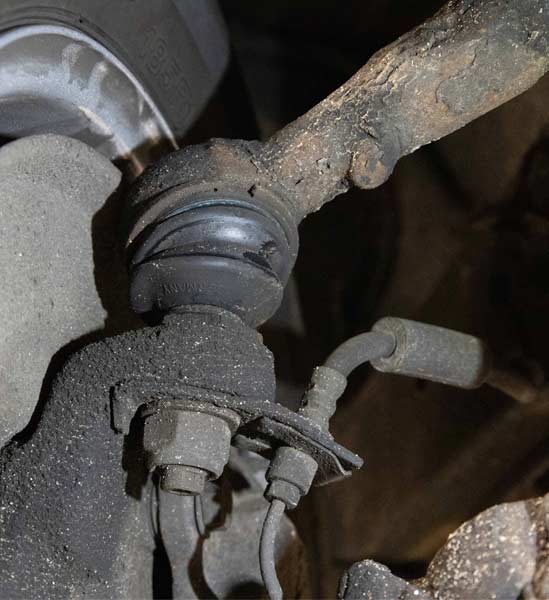
During a test drive, make sure the gearbox selects all gears cleanly without crunching, especially second gear, which can be a known weak point on older vans. Suspension, steering and brakes should feel stable and predictable; excessive wandering, pulling under braking, or knocking sounds may indicate worn components. Brakes should feel firm and responsive. If the van pulls to one side or the pedal feels spongy, further work may be required. While many of these issues are repairable, they should be reflected in the purchase price.

Why compromise on insuring your precious vehicle when we’ll give you £50* if we are not the cheapest.
3. Interior Condition and Camper Conversion
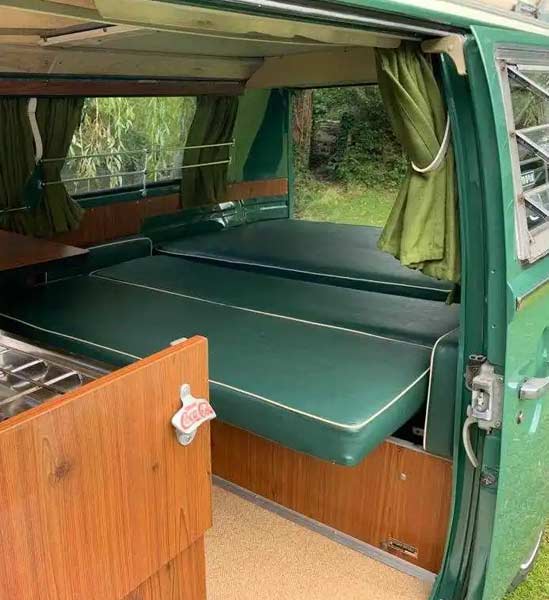
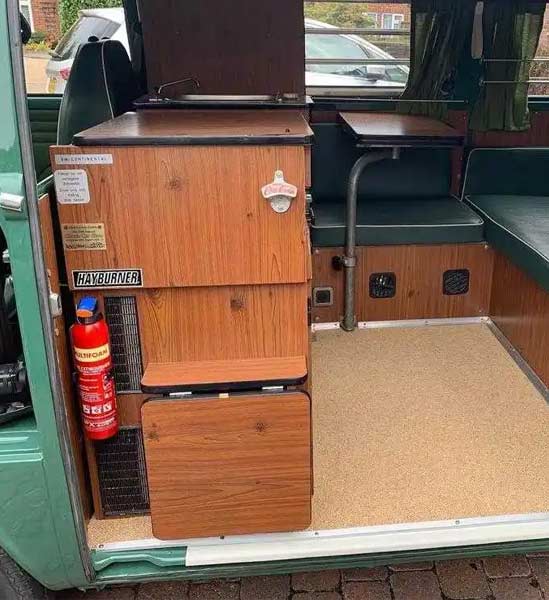
The interior of a classic campervan is a big part of its appeal, but it’s also an area where costs can quickly add up. Inspect upholstery, cupboards, flooring and headlining for signs of damp, mould, or poor repairs. If the camper has a pop-top or elevating roof, check the canvas for tears, mould, and smooth operation.
If the van has a fitted kitchen, test gas appliances, electrics and water systems where possible. Poorly installed conversions can present safety issues and may need upgrading to meet modern standards. Original or well-executed period conversions can add value, while unfinished or DIY interiors may require significant investment.
4. Electrics and Safety Features
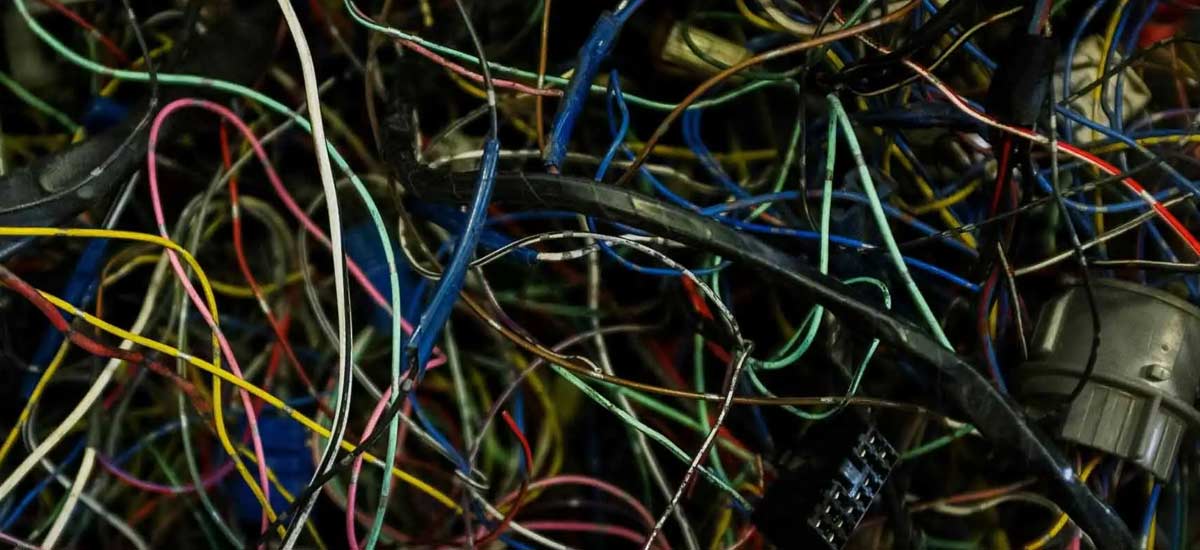
Electrical systems on classic campervans are often upgraded over time. Check that lights, indicators, wipers and gauges all function correctly. Many vans now feature leisure batteries and split-charging systems, so inspect wiring for neatness and signs of overheating or amateur installation.
While classic campervans won’t have modern safety features, seatbelts (where fitted) should be secure and in good condition.
5. Documentation and Vehicle History
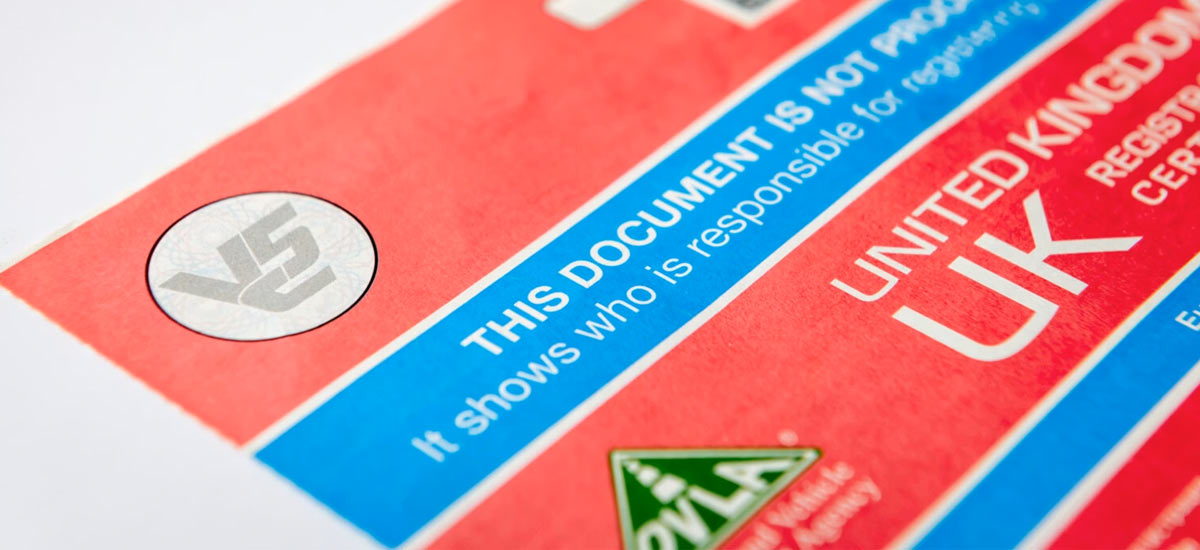
A thorough paperwork check is just as important as the physical inspection. Ensure the V5C logbook matches the vehicle’s chassis number and engine details. Review MOT history for patterns of recurring advisories, which can highlight ongoing issues.
Receipts for restoration work, servicing and parts are extremely valuable, especially for classic VW campervans. A well-documented history not only supports the asking price but can also make arranging specialist insurance much easier.
Consider Specialist Insurance Once You’ve Chosen Your Campervan
Once you’ve found the right classic campervan, arranging specialist insurance should be one of your first priorities. Standard motor insurance often doesn’t provide adequate protection for classic vehicles, which is why tailored cover is essential.
Classic campervan insurance from Just Kampers Insurance is designed specifically for vehicles like air-cooled VW campervans. Policies can include agreed value cover, ensuring that the true value of your campervan is recognised in the event of a total loss. This is particularly important if your van has been restored, modified or is increasing in value.
You may also benefit from limited mileage policies, which are ideal if your campervan is used mainly for leisure, helping to keep premiums competitive. Optional extras such as breakdown cover, legal protection and contents cover can provide additional peace of mind. You can explore these options further within the Classic Campervan Insurance section on the Just Kampers Insurance website.
How Can I Get Specialist Campervan Insurance Set Up?
It’s easier than you think! Since 1998, we’ve specialised in campervan insurance, keeping thousands of campers protected at an affordable price. If you’re living in your camper, or planning an extensive road trip, just give our friendly team a call on 01256 44 45 46 or arrange a callback at a time that suits you.
We’re always happy to talk through your options and we’ll be able to guide you towards the right cover, so you can hit the road with peace of mind.
Summary – Buy Carefully, Insure Properly
Buying a classic campervan is about more than just finding something that looks good. A careful inspection of bodywork, mechanics, interior and documentation will help you avoid unexpected costs and ensure you’re investing in a vehicle you can enjoy for years to come. Once purchased, protecting that investment with specialist insurance is just as important.
With the right checks carried out and the right cover in place from Just Kampers Insurance, you’ll be free to focus on what classic campervans are all about, enjoying the journey, the community and the open road. For a more detailed buyer’s guide, you can check out our Just Kampers parts site and read our VW T2 Buyers Guide, or you can watch our YouTube Video below.