This helpful guide will explain the definitions and meanings of different vehicle insurance terms, phrases, and acronyms, to help you understand everything from the ABI to Write-Offs!
We want to make it as quick and easy as possible to get a great deal on specialist vehicle insurance, but we know there are a lot of jargon terms and industry phrases which are used a lot and aren’t immediately clear.
That’s why we’ve created this quick blog, which highlights commonly used terms and gives you a quick, accurate explanation of what they mean and when they’re used.
The list is even sorted alphabetically, so you can quickly find a meaning for any words or terms you’re unsure of!
50/50 Claim
A 50/50 claim occurs when both drivers involved share equal responsibility for an accident, so each insurer covers half of the costs. See Claim.
Association of British Insurers (ABI)
The ABI is the trade body which represents UK insurance companies, sets guidelines and promotes best practice across the insurance industry.
ABS
Anti-lock Braking Systems (ABS) are a safety feature which prevents your vehicle’s wheels from locking during emergency braking, helping you to stay in control.
Accident
An unplanned event which causes damage, injury, or loss involving a vehicle.
Accidental Damage
Damage to your vehicle caused by an accident and not caused deliberately or by wear and tear. See Accident.
Act of God
A natural event, (eg; flooding / lightning) which humans can’t prevent or control. Contemporary vehicle insurance policies rarely use this term, but still cover such events under ‘accidental damage’.
Additional Driver
A driver who is not the main driver (policy holder), but is specifically named on the policy and is allowed to drive the insured car. See Named Driver.
Admin
Short for administration, this term refers to paperwork, policy changes, or fees charged for updates or cancellations.
Aggravated Theft
When a vehicle is stolen using violence, force, or threats towards the owner or driver. Sometimes referred to as car-jacking.
Agreed Value
A set value for your vehicle which is agreed between you and your insurer. This allows you to guarantee what you’ll be paid if the insured vehicle is written off. See Write Off.

Amendment
An ammendment is a change made to your insurance policy after it has started; eg updating your address or adding a new driver. Also referred to as a Mid-Term Adjustment.
Annual Mileage
The estimated number of miles which you expect to drive your vehicle each year. Insurers will use this to help calculate your insurance premium, and therefore the overall cost of your policy.
Annual Premium
This is the total, annual cost which you’ll pay for a full year of vehicle insurance cover. See Premium.
ANPR
Automatic Number Plate Recognition (ANPR) is a camera technology used to detect number plates and can check whether a vehicle is taxed and insured.
Appointed Representative
A person or company allowed to sell or manage insurance policies on behalf of an authorised insurer or broker. See Broker.
Approved Repairer
A garage or workshop chosen and approved by your insurer to carry out repairs to your vehicle after an accident.
Betterment
When a repair increases the value of your vehicle beyond it’s pre-accident value, insurers may ask you to pay the difference for the ‘improvement’.
Black Box
This is a small device which can be fitted to your vehicle to record data on how you drive. This information can help insurers set your premium based on your driving habits. See Telematics.
Body Type
The shape or design of your vehicle, such as van, camper, hatchback, saloon, or convertible. Often asked for while you’re getting a quote.
Breakdown Cover
Optional insurance that you can add to your policy, which helps if your vehicle breaks down, and often includs roadside repair, towing, or recovery services. See Optional Policy Benefits / Optional Extras.

Broker
A person or company that helps you find and buy the right insurance from different insurers, often comparing prices and cover levels.
Business Use
A vehicle insurance Class of Use category which covers driving as part of your job, not just commuting to and from work.
See Class of Use.
Call Back
You give us the best time and date to phone you, and we’ll give you a call to discuss your quote, policy, or renewal.
Camper Van Conversion
A van that has been converted into a campervan. These vehicles often require specialist insurance to reflect its modifications and new usage. See Self-Build.
Campervan Hire Cover
Insurance needed for renting or hiring out your campervan, which covers damage, theft, and third-party risks during the hire period.
Cancellation
When your insurance policy is ended early, either by you or the insurer. This sometimes involves a cancellation fee.
Category A
A code for a vehicle write-off where the vehicle is so badly damaged it must be completely scrapped, and cannot be used for parts. See Write Off.
Category B
A code for a vehicle write-off where the vehicle can’t be repaired but some parts can be recycled; however, the body shell must be destroyed. See Write Off.
Category C (now Category S)
An older vehicle write-off code which was replaced by Category S in 2017. See Category S and Write-Off.
Category D (now Category N)
An older vehicle write-off code which was replaced by Category N in 2017. See Category N and Write Off.
Category N
A code for a vehicle write-off where the vehicle isn’t structurally damaged and can be repaired safely before being put back on the road. Known as Category D prior to 2017. See Write Off.
Category S
A code for a vehicle write-off with structural damage which can be professionally repaired and returned to use. Known as Category C prior to 2017. See Write Off.
Certificate of Motor Insurance
The official document which demonstrates that you’re legally insured to drive your vehicle in the UK.
Claim
A request made to your insurer to cover costs after an accident, theft, or damage to your vehicle.
Claims Underwriting Exchange (CUE)
The CUE is a shared database used by insurers to record and check claims history for all policyholders.
Class of Use
Describes how you use your vehicle – for example, social only, commuting, or business use. How you use your vehicle will affect your insurance premium. See Premium.
Classic Camper
A campervan which is typically 20 years or older. These vehicles generally require specialist insurance cover due to their age and useage.

Classic Car
A car which is considered collectible or historic, often over 20 years old and insured for its agreed value rather than market value. See Agreed Value.
Commercial Van
A van which is mainly used for business purposes and/or transporting goods, rather than for personal use.
Compulsory Excess
A set amount you must pay towards any claim, (set by the underwriter), no matter who’s at fault.
For example, if you had a £500 compulsory excess and had an £800 claim, you’d need to pay £500 and your insurer would pay the remaining £300. See Excess or Voluntary Excess.
Contents Cover
Optional insurance which you can add to your main policy, which covers personal belongings or equipment kept inside your vehicle against theft or damage. See Optional Policy Benefits / Optional Extras.
Continuous Insurance Enforcement (CIE)
CIE is a legal rule which requires that all registered vehicles must have valid insurance, even if they’re not being used, unless declared SORN. See SORN.
Converted Camper
A van which has been converted into a campervan, whether done professionally or by the owner.
This term is interchangable with Self-Built Camper, although Converted Camper more often refers to vans which have been turned into campers by professional converters. See Self-Built Camper.
Conviction Code
A code which is shown on an individual’s driving record which indicates that they’ve committed a motoring offence, and which one. For example, speeding (SP30) or drink-driving (DR10).
Convictions
Any driving or criminal offences which must be declared to your insurer. These can affect your insurance premium.
Cooling-Off Period
A period of 14 days after buying an insurance policy during which you can cancel it and get a full refund if you have not made a claim in that time.
Courtesy Car
Also called a ‘hire car’, this is a temporary replacement car which your insurer provides while your own vehicle is being repaired following an accident.
Cover Note
A document which proves that you have temporary, short-term insurance cover during the time until your full vehicle insurance policy starts. See Period of Insurance.
Daily Driver
Generally used if you also own and drive a classic car or camper, your daily driver is the main car which you use regularly for commuting or errands.
Declaration
Information you give to your insurer about yourself, your vehicle, and/or your driving history.
Direct Debit
A way of setting up regular payments for your vehicle insurance premium, which are sent automatically from your chosen bank account.
Driving Licence
The official licence allowing you to legally drive in the UK.
Driving Other Cars (DOC) Cover
Optional insurance cover which you can add to your policy, that allows you to drive other people’s cars with their permission.
Duty of Disclosure
This is your legal duty to tell your insurer everything relevant about your vehicle and your driving history, and for your insurer to provide complete and accurate information in return.
Driver and Vehicle Licensing Agency (DVLA)
The Driver and Vehicle Licensing Agency (DVLA) manages driving licences and vehicle registrations in the UK.
Driver and Vehicle Standards Agency (DVSA)
The Driver and Vehicle Standards Agency (DVSA) sets driving tests and vehicle standards in the UK.
Endorsements
Notes on your vehicle insurance record with details about specific restrictions or conditions which apply to your policy.
EU
European Union (or EU) – relevant for vehicle insurance cover in countries which are members of the EU. See EU Driving Cover.
EU Driving Cover
Optional insurance cover which you can add to your policy, that extends your cover to allow driving in EU countries.
See Optional Policy Benefits / Optional Extras.

Europe
Occasionally used interchangably with the EU, even if the term isn’t strictly correct.
Excess
The amount you agree to pay towards a claim before your insurer pays the rest. See Compulsory Excess or Voluntary Excess.
Exclusion
Something which your vehicle insurance policy does not cover, like certain types of damage or drivers.
Fault
When you’re considered responsible for an accident. This can affect premiums and claims.
Fault Claim
A claim where your insurer pays out, even though the accident was your fault. See Claim.
Financial Conduct Authority (FCA)
The FCA is the UK regulator which oversees insurance companies and protects customers.
Foreign Use
Policies which include foreign use allow you to drive your UK-insured vehicle in another country.
Fronting
When a more experienced driver is listed as the main driver in order to get a cheaper premium for a less experienced driver, which is illegal.
Fully Comprehensive
A level of cover which includes damage to your own vehicle as well as third-party vehicles, regardless of fault. See Levels of Cover.
GAP (Guaranteed Asset Protection) Cover
Guaranteed Asset Protection cover ensures you’ll recieve a payout for the difference between your insurer’s payout and the amount you owe on finance or a lease.
Geographical Limits
Geographic limits set the countries or areas where your vehicle insurance policy is valid.
Green Card
An official document which proves that you have vehicle insurance when driving outside the UK.
Herts Insurance Consultants (HIC)
Herts Insurance Consultants Ltd. (or HIC) is the UK-based insurance consultancy which Just Kampers Insurance is part of.
Highway Code
The UK’s official guide to road rules and safe driving.
Hire
Temporarily renting a vehicle for a set fee, typically for a short, pre-arranged length of time. See Campervan Hire Cover.

Immobiliser
A security device which prevents your vehicle from being started without the correct key or code.
Import Vehicle
Any vehicle brought into the UK from another country, which may then require specialist insurance.
In-Car Entertainment (ICE)
Electronics or devices installed in your vehicle, like sat-navs or radios, which may be covered separately. See Contents Cover.
Indemnity
Your insurer’s promise to pay for loss or damage under the terms of your policy.
Insurance Group
A rating system which reflects how expensive it is to insure a car. Insurance groups run from 1 to 50, with 50 being the most expensive vehicles to insure.
Insurance Premium Tax (IPT)
Insurance Premium Tax is a mandatory tax added by the UK government to insurance premiums, and is automatically included in the cost of your policy. This tax is not paid by residents of Jersey, Guernsey, the Chanel Islands, or The Isle Of Mann.
Insured Value
The total amount which your vehicle is covered for. This can either be market value or agreed value.
See Market Value and Agreed Value.
Intermediary
An agent, broker, or company that arranges insurance between you and the insurer.
Introducer
A person or company that refers clients to an insurer or broker, sometimes earning a commission.
Just Kampers
Just Kampers is our sister company, which specialises in campervan parts, accessories, and advice for owners.
justkampers.com
Just Kampers Insurance
Just Kampers Insurance offers specialist insurance policies tailored to campervans, classic VWs, and converted campervans.
Also referred to as Just Kampers Insurance Services.
Key Care
Optional cover which you can add to your policy to replace lost or stolen keys, sometimes including locks and fobs.
See Optional Policy Benefits / Optional Extras.
Kit Car
A vehicle built from a kit of parts, often requiring specialist insurance because it’s not mass-produced.
Laid Up
A vehicle which is laid up has been temporarily taken off the road, and declared SORN to avoid paying insurance or tax.
See SORN.
Legal Owner
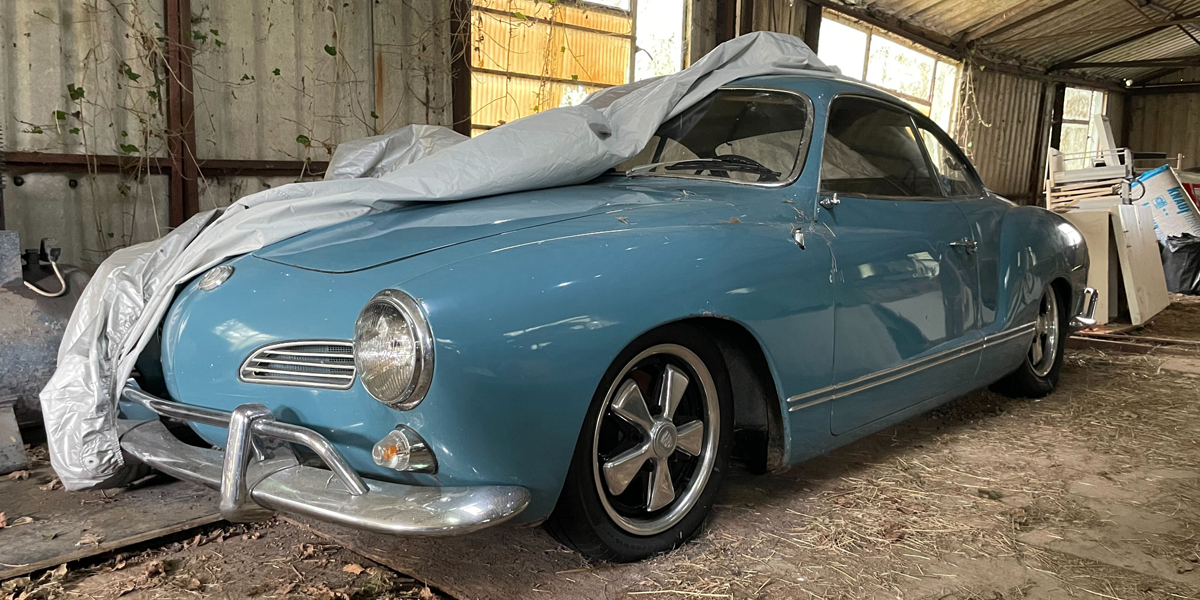
The individual or company which legally owns the vehicle.
Legal Protection
Optional cover which helps to pay for legal costs which arise from accidents, disputes, or claims.
See Optional Policy Benefits / Optional Extras.
Levels of Cover
There are different types of insurance cover, such as third-party, third-party fire & theft, or fully comprehensive, which each cover you in different situations and cost different amounts.
See Third Party Only, Third Party, Fire, and Theft, and Fully Comprehensive.
Liability
Responsibility for damage or injury caused to others; insurers cover this if you are at fault.
Limited Mileage
Limited mileage puts a restriction on you’re the number of miles you’re covered to drive during the term of your policy.
See Period of Insurance.
Loss Adjuster
A professional organisation or individual appointed by an insurer to assess the cost of a claim and determine the payout.
Main Driver
The individual who will be driving the vehicle the most, as is listed as the primary driver on the policy.
Market Value
The current value of your vehicle based on age, condition, mileage, and resale prices. Often used to determine the value of your vehicle if it’s written off. See Write Off.
Mid-Term Adjustment
Making a change to your vehicle insurance policy before the end of the period of insurance is referred to as a Mid-Term Adjustment or MTA. See Amendment.
Misfuelling
Putting the wrong type of fuel in your car, such as diesel in a petrol engine, which can cause damage to your engine. This may be covered if you have misfuelling protection.
Mitigation
Steps which can be taken to reduce further damage after an accident, such as moving the vehicle off the road.
Modern Camper
A newer campervan, usually insured under standard policies or specialist campervan cover.
Modification Cover
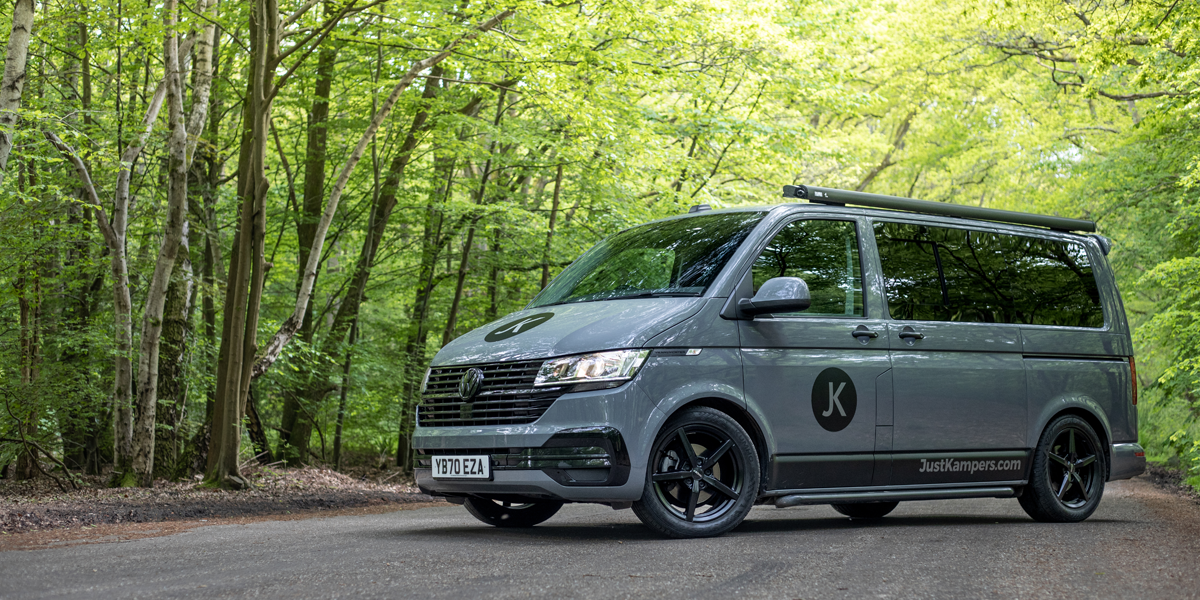
Additional cover which protects added features or changes to your vehicle which aren’t standard, such as lowered suspension or an engine swap. See Modifications.
Modifications
Changes made to a vehicle, such as spoilers, upgraded sound systems, or engine tuning, which may need to be declared.
See Modification Cover.
Modified Vehicle
A vehicle which has been changed from its original specification and may require special insurance.
See Modification Cover.
MOT
An annual test to ensure your vehicle meets UK safety and environmental standards. Older vehicles may be exempt, but MOT tests are generally still advised.
Motor Insurance Database (MID)
The MID (Motor Insurance Database) is a government database which shows whether vehicles are insured, helping police and insurers check cover.
Motor Insurers’ Bureau (MIB)
The Motor Insurer’s Bureau compensates victims of accidents caused by uninsured drivers or hit-and-run incidents.
Multi-Car
An insurance policy which covers more than one vehicle under the same policy, often with a discount.
Named Driver
An individual listed on your insurance policy who is allowed to drive the vehicle, but not the main driver. See Main Driver.
New Drivers Act
Laws and regulations which affect newly licensed drivers, often including restrictions and higher premiums.
No Claims Bonus / No Claims Discount
A discount on your vehicle insurance premium, which generally increases for each year you don’t make a claim.
No Fixed Abode / No Permanent Address
When a driver doesn’t have a permanent UK address, which may affect insurance eligibility or premium.
Non-Fault
A claim where the accident is not your fault. Your insurer will aim to recover costs from the other driver or their insurer.
Optional Policy Benefits / Optional Extras
Extra cover which you can choose to add to your standard policy, such as breakdown cover or legal protection.
Owners Club
A club for owners of specific vehicles, often providing advice, community, and sometimes insurance discounts.
Partner
An individual you live with or have a domestic relationship with, who may sometimes be included on the policy.
Parts Discount
You’ll get a 10% discount on orders from Just Kampers when you’re insured with Just Kampers Insurance. See Just Kampers.

Period of Insurance
The length of time your insurance policy covers you, typically 12 months.
Personal Effects Cover
Additional insurance cover for belongings inside your vehicle, such as clothing, laptops, or camping gear.
Personal Protection
Additional cover which you can add to your policy to protect the driver and passengers in case of injury, death, or loss of earnings after an accident.
Points
Penalty points on your driving licence indicate that you’ve got motoring offences, which insurers may ask you to declare.
Policy
The official contract between you and your insurer, which details what’s covered and under what conditions.
Policy Booklet
The detailed document explaining your insurance cover, terms, conditions, and exclusions.
Policy Holder
The person or organisation which owns the insurance policy and is legally responsible for it.
Policy Schedule
A section of your insurance policy which ammends any generic terms and conditions contained within the Policy Book to those specific to your policy. See Policy and Policy Booklet.
Portal
An online platform where you can manage your policy, make changes, or check claims.
Access it at justkampers.myinsurancefile.co.uk
Premium
The amount you pay for your insurance cover, either annually or in instalments. See Annual Premium.
Price Promise
If Just Kampers Insurance can’t beat your like-for-like vehicle insurance quote, we’ll send you a £50 Just Kampers Gift Voucher.
See Just Kampers.
Proximate Cause
The initial event which led to an insurance claim. Insurers pay only for damage directly caused by this event.
Q Plate
A number plate which indicates that a vehicle has an unknown or rebuilt history; often used for kit cars or stolen / recovered vehicles.
Quick Switch
A service from Just Kampers Insurance which allows you to switch insurance providers easily, with no gap in cover and no need to send us tons of paperwork.

Quote
An estimate of how much your vehicle insurance will cost, based on the information you provide.
Rating Factors
Various elements which affect your premium, eg; age, driving history, vehicle type, and location. See Premium.
Registered Keeper
The individual listed with the DVLA as responsible for keeping the vehicle, although this is not necessarily the legal owner.
See DVLA or Legal Owner.
Registration Number
The vehicle’s unique licence plate number, used to identify it on the road and in insurance records.
Renewal
Your insurance policy typically lasts for a year, and when it reaches the end of this period you will have the option to renew and continue your coverage for another term.
See Period of Insurance and Renewal Date.
Risk Address
An insurance term referring to the address where your vehicle is normally kept, which insurers can use to assess risk and premium.
Road Traffic Act 1988
The 1988 Road Traffic Act is the main UK law which governs driving, road safety, and insurance requirements.
Salvage
A vehicle, or parts of it, which have been written off or damaged, but may still have value for recycling or repairs.
See Salvage Retention and Write Off.
Schengen Zone
A group of European countries where border checks are minimal, relevant for driving and insurance coverage abroad.
Self-Build Campers / Self-Built Camper
A van which has been converted into a campervan, with the work typically having been done by the owner rather than by the manufacturer or a specialist converter. These vehicles usually require specialist insurance. See Converted Camper.

Settlement
The payout an insurer makes after a claim is agreed. See Claim.
Social, Domestic, and Pleasure
A vehicle insurance Class of Use category which covers everyday driving like errands, visiting friends, and leisure trips, but excludes driving to any place of work or education. See Class of Use and Levels of Cover.
Social, Domestic, and Pleasure, plus Commuting
A vehicle insurance Class of Use category which covers normal leisure driving and commuting to your main place of work or education. See Class of Use and Levels of Cover.
Social, Domestic, and Pleasure, plus Commuting and Business Use
A vehicle insurance Class of Use category which covers leisure driving, commuting, and business-related journeys.
See Class of Use and Levels of Cover.
Spare Parts
Replacement parts for a vehicle, often used in repairs after accidents.
Specialist Insurance
A type of motor insurance designed for vehicles which do not fit into standard car or van insurance categories or have unique risk profiles. These policies are tailored to the specific use, value, and modifications of the vehicle, offering coverage that standard insurers may not provide.
Spent Convictions
Old driving convictions on a driver’s license which are legally considered ‘spent’ and may not need to be declared depending on insurer rules.
Standard Policy Benefits
These are the basic protections included in your vehicle insurance policy, such as Limited Mileage Discounts, Modification Cover, and EU Driving Cover which we include with our campervan insurance policies.
Statement of Fact
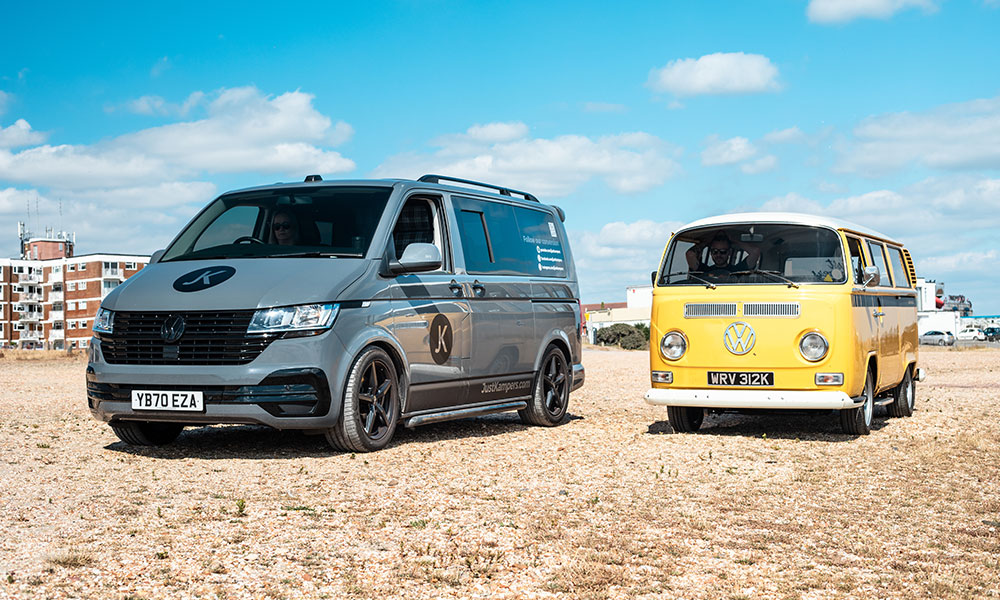
A document which summarises the information you provided to the insurer when buying a policy.
Tailored Policy
An insurance policy which has customised to suit your vehicle, driving habits, and cover needs.
Telematics
Any technology in your vehicle, or app on your mobile device, which tracks your driving, used to adjust premiums based on driving behaviour. See Black Box.
Terms
The rules, conditions, and clauses in your vehicle insurance policy.
Thatcham
The name of a UK testing and research centre which sets standards for vehicle security, repairs, and crash safety.
See Thatcham Category 1 and Thatcham Category 2.
Thatcham Category 1
A category of approved vehicle security systems recognised by insurers for maximum theft protection (an alarm and immobiliser). See Thatcham and Thatcham Category 2.
Thatcham Category 2
A category of approved vehicle security systems with slightly lower protection than Category 1, typically an immobiliser only with no alarm.
See Thatcham and Thatcham Category 1.
Third Party Only
A level of cover which includes damage or injury you cause to others, but not your own vehicle. See Levels of Cover.
Third Party, Fire, and Theft
A level of covers which includes damage or injury to others plus your vehicle if it is stolen or damaged by fire. See Levels of Cover.
Total Loss
When your vehicle is so badly damaged that it cannot be economically repaired and is written off. See Write Off.
Track Day
An organised day during which you can drive your vehicle on a race track, usually requiring specialist insurance.
Trustpilot
An independant online review website where verified customers can leave ratings and reviews.

Unattended Clause
A clause in some vehicle insurance policies, sometimes called a “keys in car” exclusion, which typically denies coverage for theft or damage if the vehicle was left unattended with the engine running or keys inside.
Underwriter
The individual or team at an insurer who assesses risk and decides whether to accept or decline an insurance application.
Uninsured Driver
An individual driving on the road even though they don’t hold valid vehicle insurance.
Uninsured Loss
Any costs you suffer after an accident caused by an uninsured driver, which may be recovered via the Motor Insurers’ Bureau.
See Motor Insurers’ Bureau (MIB).
Usage Class
Another term for Class of Use; describes how you normally use the vehicle, such as social, commuting, or business.
See Class of Use.
Utmost Good Faith
Your legal duty to be honest and give all relevant information to your insurer when applying for cover, and for your insurer to provide you with correct information. See Duty of Disclosure.
Vanlife
A lifestyle involving living or travelling in a campervan or motorhome for extended periods of time, or full time. This often requiring specialised insurance. See Converted Camper, Self Build, and No Fixed Abode / No Permanent Address.
Vehicle Value
The monetary worth of your vehicle, either current market value or an agreed value for insurance purposes.
See Agreed Value.
Void
When an insurer cancels a policy from the start (Void Ab Initio); usually because information supplied to them was false or withheld.
Voided Cover
Insurance which has been cancelled or treated as never valid, often due to misrepresentation or fraud.
Voluntary Excess
A sum of money which you choose to pay on top of the compulsory excess to reduce your premium.
See Compulsory Excess and Premium.
Windscreen Cover
Optional cover added to your insurance policy, which pays to repair or replace damaged windscreens or windows.
See Optional Policy Benefits / Optional Extras.
Write-Off
When a vehicle is damaged beyond repair or is not economical to fix, leading the insurer to declare it a total loss.
See Total Loss.
We hope you’ve found this list of terms helpful, and now have a better understanding of what some of the different insurance jargon means!
If you’re still unsure about what any terms or phrases mean while you’re speaking to the Just Kampers Insurance team then just let us know and we’ll be happy to explain the differences.
You can give us a call on 01256 444546, or send us an email at [email protected] if you’ve got any questions, and we’ll get back to you with an answer as soon as we can.
We spend all day hunting for the best deals on specialist vehicle insurance, so it’s easy for us to forget that not everyone knows their ICE from their IPT, or the difference between Thatcham Category 1 and Thatcham Category 2!
Hopefully these definitions make it even easier for you to understand all of the technical terms which can pop up while you’re hunting for the best deals on vehicle insurance.
You shouldn’t need to do too much hunting around, though, as we’re so good at getting you the best price available anywhere that we’ll give you a £50 Just Kampers gift voucher if we can’t beat your like-for-like insurance quote!