
We’ve put together this useful guide to explain the difference between standard vehicle insurance and classic car insurance, to help you get the right cover for the right price.
Choosing the right car insurance can feel like a bit of a puzzle, especially with so many options to choose from. But whether you’re commuting to work every day or taking your beloved classic out for a sunny Sunday drive, having the right cover is crucial.
Classic Car Insurance vs Daily Driver Insurance
If you’re lucky enough to own a VW Beetle, Karmann Ghia, or any other cherished classic, you might be wondering which type of insurance is best for you. The difference between Classic Car Insurance and Daily Driver Insurance isn’t just the vehicle’s age – it’s also about how you use it. There’s no one-size-fits-all policy, which is why we tailor our coverage to suit your individual needs.
What does Classic Car Insurance cover?
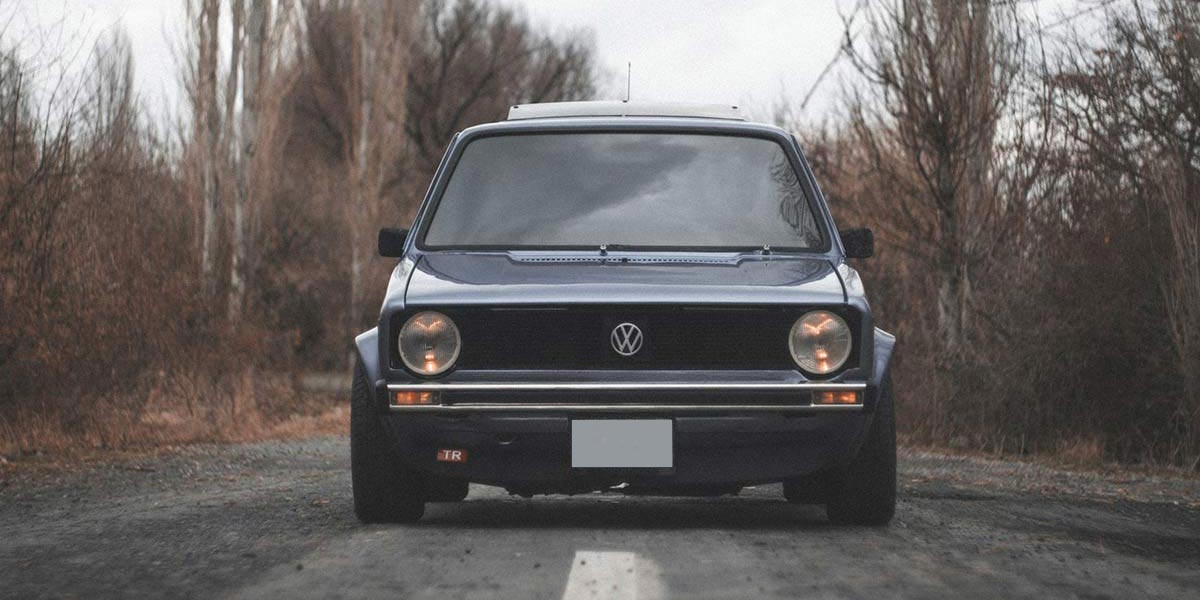
Classic car insurance is a bit different. It’s intended for older vehicles that aren’t used on a daily basis – like a lovingly restored VW T2 or a vintage Beetle that only comes out on those warm summer days. Most classic car policies come with mileage restrictions, so you’ll need to stay within the limits.
What does Typical Car Insurance cover?
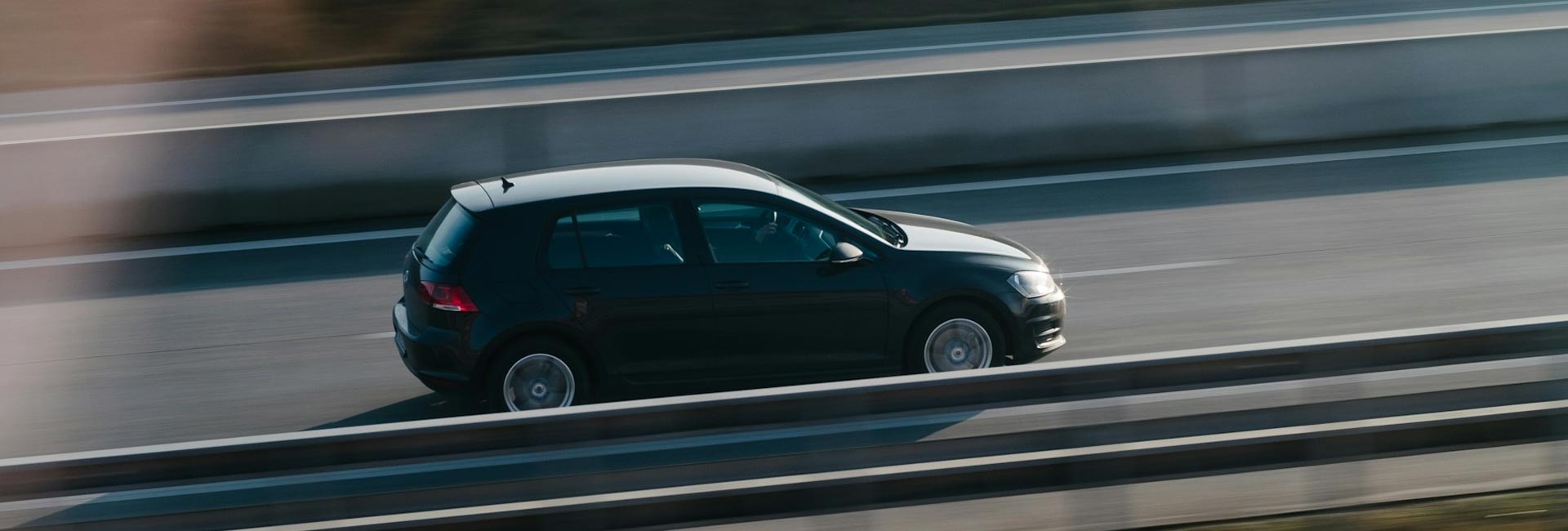
Daily Driver Insurance is what most of us have for our everyday cars – the ones we rely on for the school run, commuting, shopping, and everything in between. It provides flexible cover with no mileage restrictions, which is exactly the kind of cover you need if your vehicle is essential for your daily routine.
What Are the Main Differences Between Classic Car Insurance and Daily Driver Insurance?
There are lots of important differences between the two types of insurance, so it’s worth familiarising yourself with them to make sure you’re properly covered. Here are some of the main ones to note:
Usage Restrictions
Classic car insurance usually comes with mileage limits, typically ranging from 3,000 to 5,000 miles per year, as these vehicles are not used for daily commuting. On the other hand, daily driver insurance has no mileage restrictions, making it ideal for vehicles used on everyday journeys.
Eligibility and Age of Vehicle
Classic car insurance is generally available for vehicles aged 15 to 40 years old, though the criteria can vary between insurance providers. Daily driver insurance covers vehicles of any age, including brand-new models.
Policy Premiums
Daily driver insurance is usually more expensive, due to the higher risks associated with regular use, such as wear and tear, and an increased likelihood of accidents. Classic car insurance on the other hand, is generally much cheaper, as insurance providers assume the vehicle is well-maintained and used less frequently, making it lower risk.
Agreed Value vs Market Value
With daily driver insurance, payouts are based on the market value of the vehicle, which factors in depreciation. But with classic car insurance, we offer agreed value cover as an additional benefit. This means we’ll work with you to agree a fair, fixed value upfront that reflects the true value of your vehicle, taking into consideration any modifications and upgrades, giving you maximum protection.
Storage
Classic car insurance often has the requirement that the vehicle is stored securely in a garage or under cover to access lower premiums. Standard car insurance does not have any strict storage requirements.
Multi-Car & Membership Discounts
Many insurers offer discounts for members of classic car clubs, or for those who insure multiple vehicles. For regular car insurance, discounts are usually based on factors such as no-claims bonuses instead.
Can You Switch from Daily Driver to Classic Car Insurance?
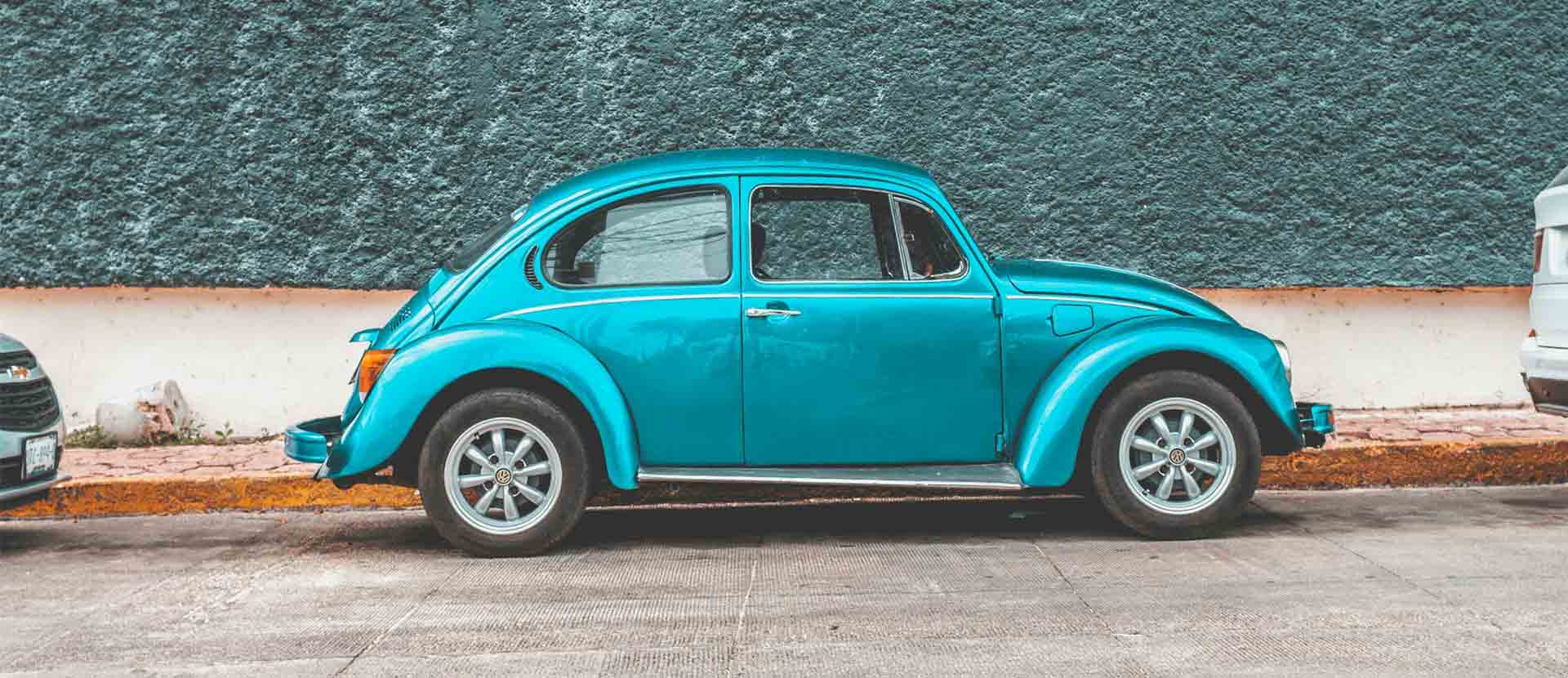
So, what do you do if your vehicle becomes a classic? It might be time to change your policy from standard car insurance to classic car insurance. Here’s how:
1. Check If Your Car Qualifies as a Classic
Each insurance provider has different criteria for what defines a classic car, but as a general rule, your vehicle will likely qualify if it meets the following conditions:
- It’s between 15 and 40 years old
- It’s used for leisure or occasional use, not for daily commuting
- It’s well looked after and is securely stored (e.g. in a garage)
- In some cases, being a member of a classic car club can help.
2. Compare Classic Car Insurance Policies
Not all insurance providers offer classic car cover, so it’s worth looking around to find a policy that meets your needs. Here at Just Kampers Insurance, we’ve been offering specialist classic car insurance for over 20 years, and our tailored policies come with great benefits. Here are some important things you should look for:
- Agreed value cover, ensuring you’re compensated fairly if the car is written off.
- Limited mileage discounts, saving you money if you don’t drive it often.
- Breakdown cover, so you’re protected wherever you are.
- Multi-Car policies if you own more than one vehicle.
3. Contact Your Current Insurer
Get in touch with your current insurance provider and ask if they offer classic car insurance, and whether your current policy can be converted. If they don’t provide classic car insurance, check if there are any cancellation fees before switching to a specialist insurer.
4. Set Up a New Classic Car Insurance Policy
Once you’ve found the right policy for you, make sure it is active before you cancel your existing cover. You may need to provide some documents for your new policy, such as vehicle condition reports or photos, especially if you’re choosing agreed value cover.
5. Cancel Your Old Policy (If Necessary)
Once your new insurance is in place and confirmed, contact your previous insurer to cancel your daily driver policy. If you paid annually, you may be entitled to a refund, so be sure to check this, too.
6. Update Your Documents
If your vehicle is over 40 years old, it may be exempt from MOTs and road tax – but you’ll need to apply for “historic vehicle” status with the DVLA. It’s also a good idea to update your V5C logbook.

In Conclusion
There are some key differences between classic car insurance and daily driver insurance that you should be aware of. Daily driver insurance covers vehicles used for regular or daily travel, with no mileage limits or age restrictions. Classic car insurance is designed for older, well-maintained vehicles that are only driven occasionally.
Here at Just Kampers Insurance, we’ve been helping drivers find the right cover since 1998, so we know exactly how to get you the very best deals on a policy that suits you.
Whether you need insurance for your everyday car, or your cherished classic, we’re here to make sure it’s properly protected. If you’re not sure which policy is right for you, or you’d like to get a quote, simply get in touch with our friendly team – we’re always happy to help.
Plus – if you insure with us, you’ll get an exclusive 10% off parts and accessories from Just Kampers! It’s a win-win.