Owning a campervan offers a unique sense of freedom, but it also comes with responsibility. Regular servicing and maintenance are essential not only for keeping your vehicle running smoothly but also for ensuring your safety, protecting your investment, and avoiding costly repairs.
At Just Kampers Insurance, we’ve spent decades supporting campervan owners, and we’ve seen how consistent upkeep can be the difference between stress-free travel and unexpected breakdowns. Whether you drive a modern camper or a classic van, this guide will help you stay road-ready all year round and ensure your cover through your campervan insurance policy remains valid and effective.
What Does Campervan Maintenance Involve?
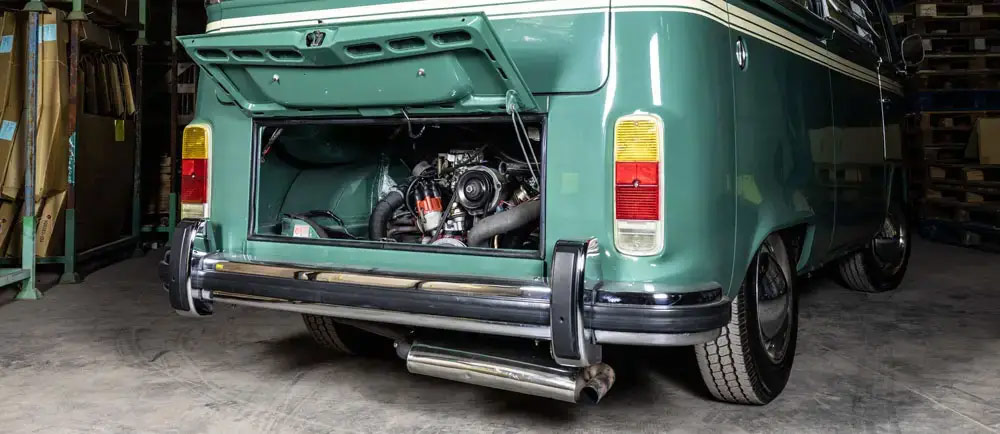
Campervan maintenance involves regularly checking and servicing both the vehicle and its living systems, including the engine, tyres, electrics, plumbing, and safety equipment.
Unlike standard cars, campervans combine transport with habitation systems, which means more components require attention. From water tanks and heating systems to solar panels and leisure batteries, each element contributes to your comfort, safety, and independence on the road.
Regular maintenance helps to prevent breakdowns, improve fuel efficiency, extend the lifespan of your campervan, and maintain its resale value over time. Staying on top of these checks ensures your vehicle remains reliable and ready for every journey.
However, even with the most thorough maintenance routine, unexpected issues can still occur. That’s why it’s always wise to have the right protection in place. With breakdown cover from Just Kampers Insurance, you can travel with confidence knowing that if something does go wrong with your campervan or motorhome, you’ll be able to get recovered safely and get back on the road as quickly as possible.
1. Regular Engine and Oil Checks
How often should you check campervan oil?
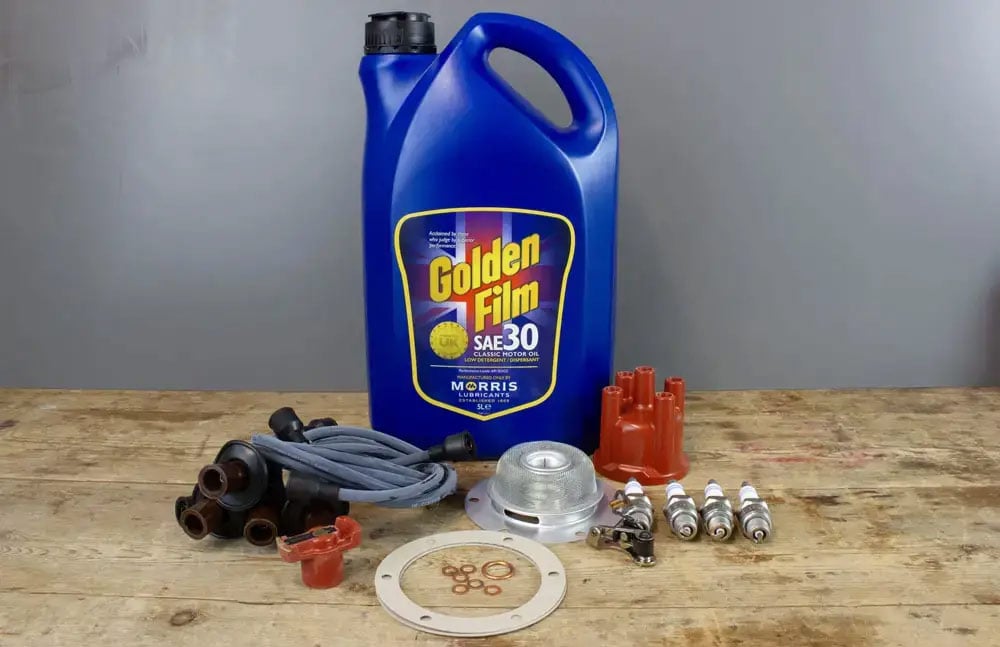
You should check your campervan’s oil level every 1,000–2,000 miles or before any long journey. The engine is the most critical component of your campervan, and regular oil checks are essential for preventing long-term damage. Even when your vehicle isn’t used frequently, oil degrades over time, making routine checks just as important as mileage-based servicing.
Maintaining the correct oil level and using manufacturer-approved oil helps reduce engine wear and will improve overall efficiency. While checking oil, it’s also a good opportunity to inspect surrounding components for early signs of wear.
Focus on these essentials:
• Check oil levels regularly and before long trips
• Use the correct oil specification
• Inspect belts and hoses for wear or cracking
• Monitor coolant levels and check for leaks
2. Tyre Maintenance
What tyre pressure should a campervan have?
Campervan tyre pressure varies by model but should always match the manufacturer’s recommended PSI for safe handling and fuel efficiency.
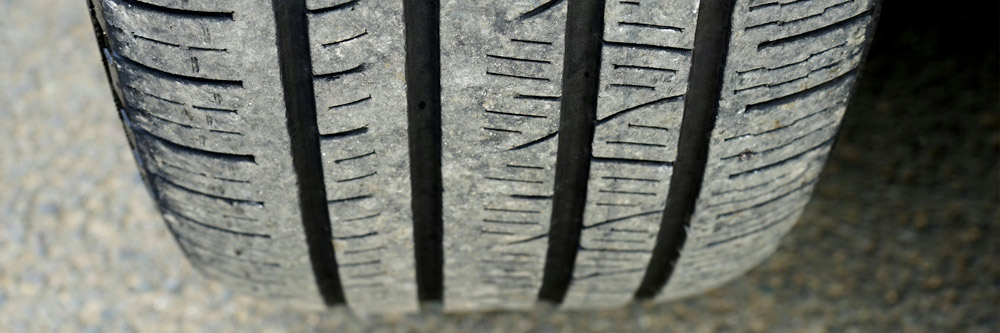
Tyres are one of the most important safety features on your campervan, especially given the additional weight they carry. Poor tyre maintenance can lead to reduced grip, longer stopping distances, and increased fuel consumption. Regular inspections help ensure your tyres remain safe and roadworthy, particularly if your campervan has been stationary for long periods.
Key checks to prioritise:
• Maintain the correct tyre pressure recommended by your vehicle manufacturer
• Ensure tread depth is above 1.6mm. This is the Legal limit in the UK
• Check sidewalls for cracks or ageing
• Inspect your spare tyre condition
3. Brake System Checks
How do you know if your campervan brakes need replacing?
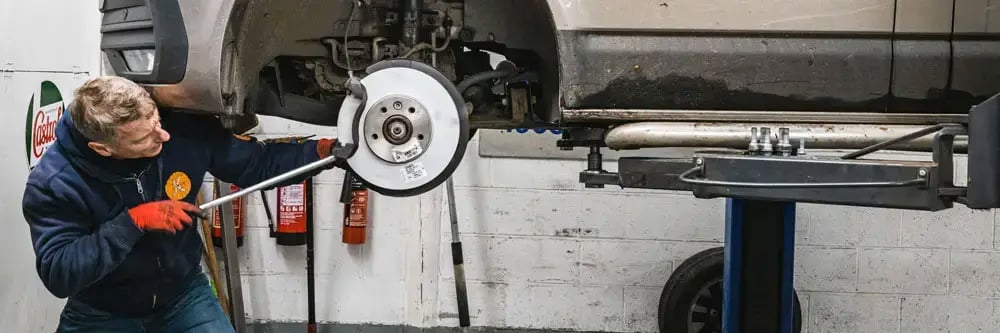
Signs include squeaking, grinding noises, vibrations, or the vehicle pulling to one side when braking. Your braking system is essential for safe driving, particularly in a heavier vehicle like a campervan. Brake components wear naturally over time, and issues can worsen if the vehicle hasn’t been used regularly.
Staying alert to early warning signs helps you address problems before they become serious.
Watch out for:
• Unusual noises when braking
• Vibrations through the pedal
• Reduced braking performance
• Low or contaminated brake fluid
4. Plumbing System Maintenance
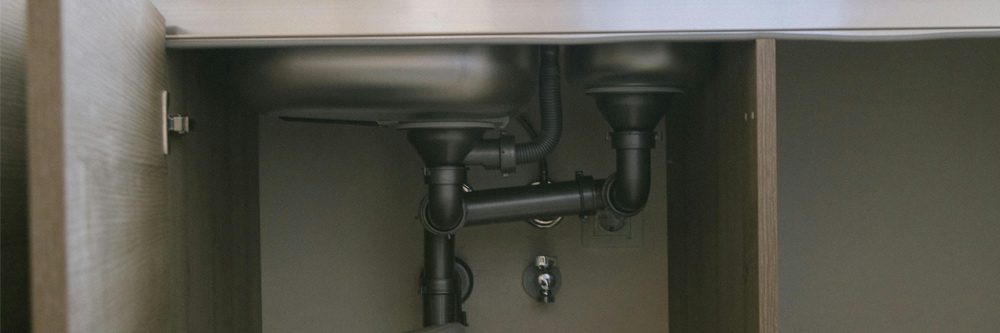
Your campervan’s plumbing system plays a vital role in comfort and hygiene, providing clean water and managing waste effectively. Without proper maintenance, systems can develop bacteria, odours, or leaks that may cause internal damage.
Regular cleaning and inspection help ensure your water system remains safe and reliable, particularly during extended trips.
Important actions:
• Clean and sanitise water tanks regularly
• Inspect for Leaks: Regularly inspect all plumbing connections for leaks and repair them promptly
• Drain and winterise the system in colder weather
5. HVAC System Maintenance
Why is campervan ventilation important?
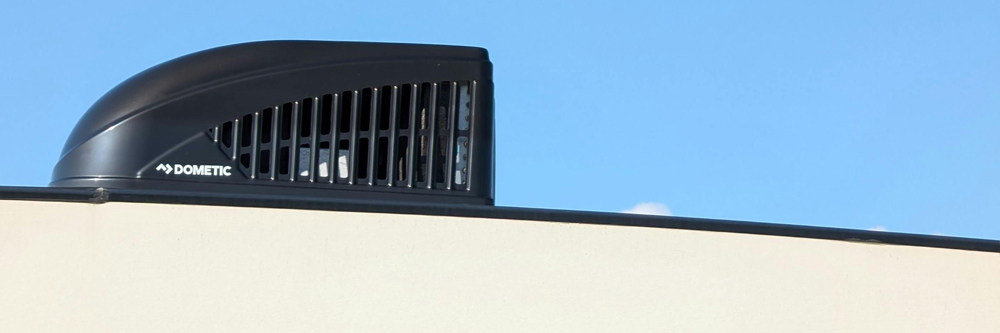
Proper ventilation prevents condensation, improves air quality, and reduces the risk of mould and damp. Your heating, ventilation, and air conditioning system is essential for maintaining a comfortable environment inside your campervan. Poor airflow or neglected systems can lead to reduced efficiency and potential health concerns.
Routine servicing ensures everything operates safely and effectively throughout the year.
Prioritise:
• Replacing air filters regularly
• Checking vents and ducting for blockages
• Servicing heating systems annually
6. Electrical System Maintenance
What powers a campervan electrical system?
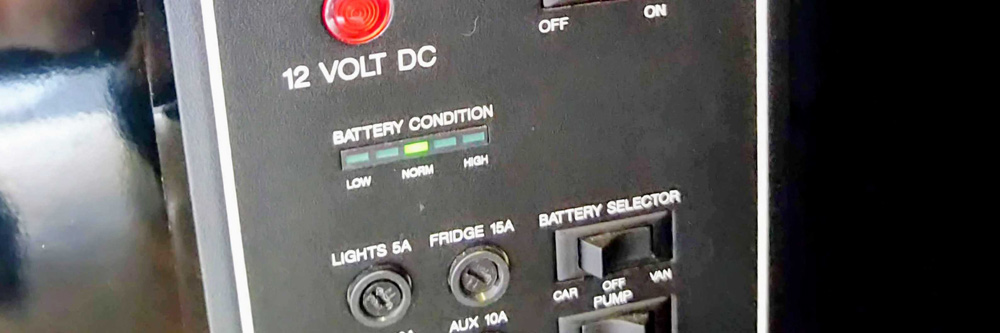
Most campervans use a combination of a starter battery, a leisure battery, and sometimes solar panels to power onboard systems.
Electrical systems are central to modern campervan living, powering everything from lighting to appliances. As off-grid travel becomes more popular, maintaining these systems is more important than ever.
Faulty wiring or neglected batteries can lead to system failures or even safety hazards, so regular checks are essential.
Stay on top of:
• Battery charge levels and condition
• Clean and secure terminals
• Wiring and fuse integrity
• Functioning lights and appliances
7. Body and Interior Maintenance
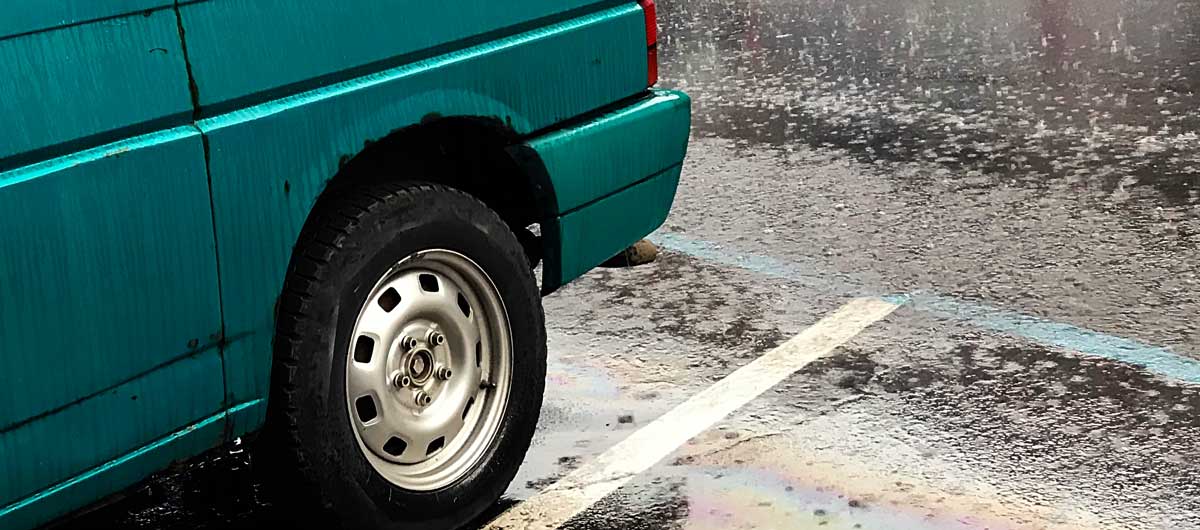
The exterior and interior of your campervan should be maintained to prevent lasting damage and to help make sure it remains a lovely space for you to relax in. This is less about preventing breakdowns and more about helping you enjoy your campervan adventures!
Steps for Body and Interior Maintenance
• Wash and Wax: Regularly wash and wax the exterior to protect the paint and prevent rust.
• Sealants: Inspect and reseal windows, doors, and roof vents to prevent leaks.
• Interior Cleaning: Clean the interior regularly and check for signs of wear or damage.
8. Solar Panel Maintenance
Do campervan solar panels need maintenance?
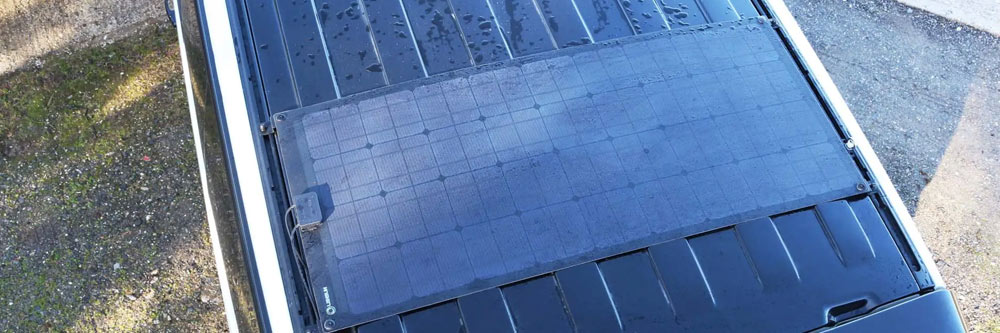
Yes, regular cleaning and inspections are needed to maintain efficiency and ensure consistent power output. Solar panels are a valuable addition for off-grid travel, but their performance depends on proper upkeep. Dirt, debris, and poor connections can all reduce efficiency.
By keeping panels clean and monitoring output, you can ensure your system continues to perform as expected.
Focus on:
• Cleaning panels regularly
• Checking connections and wiring
• Monitoring energy output

9. Safety Equipment Checks
Safety equipment such as fire extinguishers, smoke detectors, and carbon monoxide alarms are essential for protecting you and your campervan.
Get in the habit of regularly checking this safety equipment, and adding or replacing components as and when you need to.
Steps for Safety Equipment Checks
- Fire Extinguishers: Check the expiration date and pressure gauge on fire extinguishers, replacing or recharging them as needed.
- Smoke and CO Detectors: Test smoke and carbon monoxide detectors regularly and make sure you’ve got spare batteries stashed away somewhere in your camper.
- First Aid Kit: It’s a good idea to carry a fully stocked first aid kit in your camper, and it’s a requirement for driving in most of the EU.
Make sure your first aid kit is fully stocked and replace any used or expired items.
10. Insurance and Documentation
Having the right campervan insurance is crucial for protecting your vehicle and investment. It’s well worth taking the time to make sure your camper’s insurance policy covers all aspects of your campervan, including modifications and personal belongings.
Steps for Insurance and Documentation
• Review Coverage: Regularly review your campervan insurance policy to ensure it meets your needs.
• Keep Documentation: Maintain up-to-date records of all maintenance, modifications, and repairs.
• Declare all of your modifications and consider an agreed value policy.
• European Driving Cover: If travelling in Europe, ensure your insurance includes European driving cover for peace of mind.
Need parts to help you maintain or service your camper?
Take a look at our sister company, Just Kampers! They have a huge range of essentials from VW service kits and oil change kits to fire extinguishers, brake parts and more!
Conclusion
Maintaining and servicing your campervan is essential for ensuring safety, reliability, and longevity. By following these ten simple tips, you can keep your vehicle in top condition and enjoy worry-free travels.
Additionally, securing comprehensive campervan insurance and keeping detailed records of all maintenance activities provides added protection and peace of mind.
For more information on affordable campervan insurance and to explore coverage options tailored to your needs, visit Just Kampers Insurance. Embrace the van life adventure with confidence, knowing that your campervan is well-maintained and properly protected.
So, give us a call on 01256 44 45 46 and let one of our specialist team discuss your requirements. Or Get an online quote today or arrange a call back and let us call you at a convenient time.
In this article
- What Does Campervan Maintenance Involve?
- 1. Regular Engine and Oil Checks
- How often should you check campervan oil?
- 2. Tyre Maintenance
- What tyre pressure should a campervan have?
- 3. Brake System Checks
- How do you know if your campervan brakes need replacing?
- 4. Plumbing System Maintenance
- 5. HVAC System Maintenance
- Why is campervan ventilation important?
- 6. Electrical System Maintenance
- 7. Body and Interior Maintenance
- 8. Solar Panel Maintenance
- Do campervan solar panels need maintenance?
- 9. Safety Equipment Checks
- 10. Insurance and Documentation
- Need parts to help you maintain or service your camper?
- Conclusion