If you use a portable generator while adventuring in your campervan, this quick guide can help you use and store it safely, so you can enjoy your trip with peace of mind.
Here at Just Kampers Insurance, we have decades of experience finding the very best deals for car and campervan owners. Many of us have campervans ourselves, so we know there’s nothing more important than keeping your pride and joy properly protected.
Contact our friendly team or get a quick online quote to see how much you could save today!
How Can I Safely Store a Portable Generator?
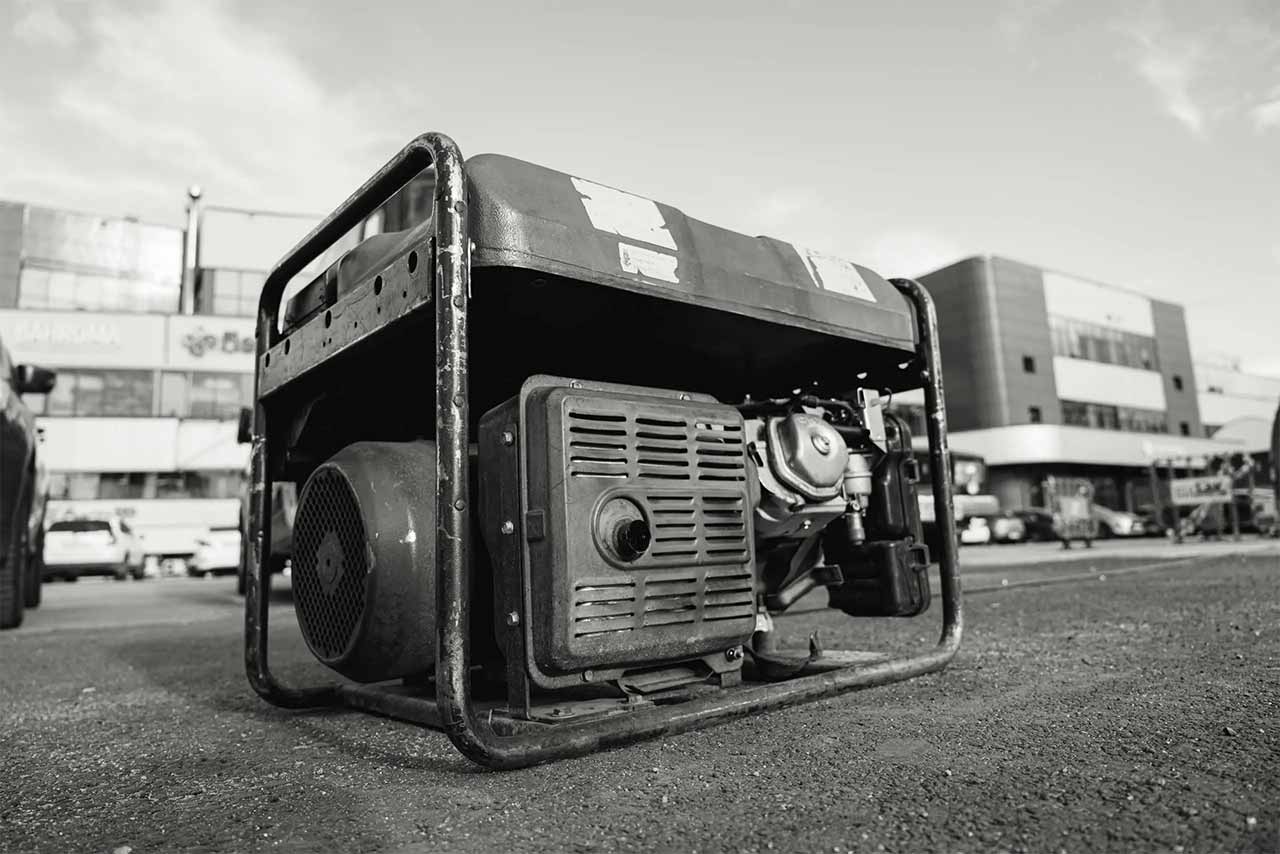
Your generator should be stored somewhere dry, cool, and secure but not somewhere the temperature may drop below 0°C. Storing your generator requires the right preparation, and it should be kept in the correct environment, so it doesn’t become damaged or clogged. The levels of preparation you’ll need to make will depend on how long your generator will be out of use.
Fuel Generators
To begin with you should clean up any dust, debris or fluids from your generator before deciding on what you will do with your fuel. Your fuel will deteriorate after 30 days if it’s left in your stored generator without being stabilised.
There are three options to tackle this problem. Firstly you can drain the fuel into a storage container, secondly you can run the generator until it uses up any remaining fuel, or thirdly you can fill the fuel to the maximum level, add fuel stabiliser and run for 10 minutes to allow it to circulate.
If you choose this final option you will need to run the generator every two to three months and refill with fresh fuel and stabiliser.
You should then remove any excess fuel in the carburettor and fuel hose by turning off the fuel valve and running the generator until they’re empty. This will prevent any fuel from clogging in them.
Finally, if you’re storing it for a long time you should remove the spark plugs and add two or three teaspoons of oil to the cylinders. Crank the engine to properly lubricate the cylinders.
LPG Generators
LPG generators don’t require as much preparation before storage as you won’t have to worry about fuel clogging in the carburettor and the fuel tank and lines won’t need to be emptied. All you will need to do is dust the outside of your generator and disconnect the gas hose. At this point it’s safe to store for short periods without removing the battery.
Solar Generators
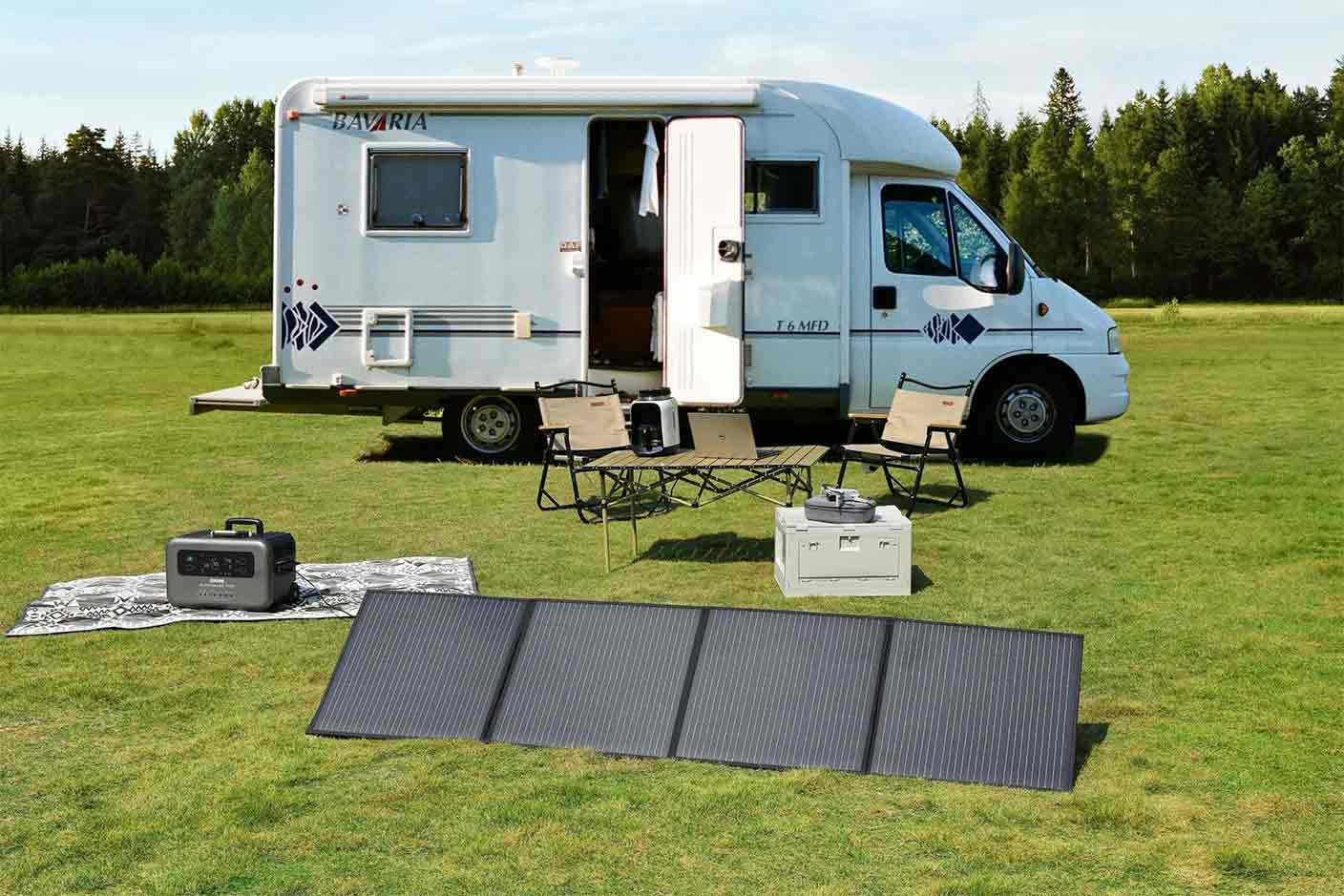
Similarly to LPG generators, solar generators don’t need as much preparation as petrol/diesel fuel generators. You will need to disconnect any electrical appliances and solar panels and clean any dust and dirt completely. You’ll also need to fully charge the battery and check the battery’s charge every so often and, if you find it’s dropping, recharge it fully.
Should You Remove the Battery When the Generator is Not In Use?
If you’re going to be storing your generator for a long period of time, you should definitely disconnect and remove the battery from your generator and store it in a cool dry place, where it won’t be damaged. This will prevent the battery from completely depleting and you can use a trickle charge and battery maintainer to keep your battery charged over long time periods. A trickle charge will charge your battery whenever the battery power is dropping, so won’t always be charging it.
Key Safety Tips
The main hazards when using a portable generator are fires, electrocution, and carbon monoxide poisoning. When powered up, generators can get very hot so it’s important not to use them near or on any flammable items or dry grass. You should also give it plenty of time to cool down before handling it or wear protective equipment and always keep the generator away from children. The fuel will also be flammable so it should be stored correctly, away from anything that could damage the container or cause a fire.
Another cause for concern is electrocution, as these appliances are producing an electrical current. This means regular checks for damage or exposed wiring is important to lower the risk of this happening. You should also keep wet hands away from your generator and any other electrical equipment. If you’re using your generator outside you should also keep an eye on the weather, making sure it isn’t out getting wet in the rain.
Due to the combustion that happens in your generator, carbon monoxide can be produced, which can be fatal without ventilation if enough is breathed in. This is because carbon monoxide is an odourless, colourless gas that causes fatigue, reduced brain function and asphyxiation. Carbon monoxide is also very flammable so it’s important you have safety measures in place in case of a gas build-up. This can be by installing a carbon monoxide alarm and ensuring there’s enough ventilation.
How to Keep Your Generator Secure
Generators are one of the easiest and most commonly stolen appliances from campervans and they definitely aren’t cheap to replace. Therefore it’s important to keep your generator secure and deter thieves from stealing it.
One obvious way to prevent theft is to keep your generator out of sight, such as in an awning. However, this should never be done when the generator is running as you may get a build-up of carbon monoxide, instead close the fuel tap and let it cool down before moving it into your awning.
You may also want to chain the generator to your campervan, but this should only be used if you are completely certain it will be electrically isolated from the body of your van. If you do use this method you should make sure to use a good quality chain that can’t easily be removed by thieves.
Summary
Portable generators can be a game-changer when it comes to road trips and adventures in your camper. However, when not used carefully, they can become dangerous. That’s why it’s so important to store them safely and securely.
With the right care and sensible storage, you can hit the road with peace of mind that you and your camper are safe.
Another way to protect your camper is by making sure it’s covered with the right insurance policy.
Here at Just Kampers Insurance, campervan cover is what we do best, and with a team of experts and enthusiasts, you can count on us to get you the right policy at a great price. Simply call us today on 01256 44 45 46 or arrange a call-back at a time that suits you to find out more.
Plus, when you insure with us, you get 10% off orders from our sister company, Just Kampers! That means you’ll save even more money and get top-quality parts and accessories for your camper. Win-win!