This guide takes you through the reasons why campervans are so expensive and shares practical tips to help you save money when buying your own.
After deciding to buy a campervan, it only takes a little bit of research to realise that they are a substantial investment. Obviously, there are two ends of the scale, and a brand-new model is going to be significantly more expensive than a second hand one with high mileage.
There are many factors that will affect the price and, as with anything, it’s usually the more expensive options that are more worthwhile. Let’s take a look at some of the reasons why campervans are so expensive.
Six Reasons Why Campervans are So Expensive
The high cost of campervans usually comes down to how they’re made and when they’re purchased. A few key factors to keep in mind when considering campervan prices include:
1. The labour costs to build a campervan are high
One of the main reasons why campervans are so expensive is simply because they are expensive to build. Unlike regular vehicles, which are predominantly built by machines, campervans require more of the skills and artisanship of humans to build them.
Much of the interior is fitted by hand, from kitchen cabinets and other furniture to the carpeting or laminate flooring. Not to mention the plumbing in of the kitchen and toilet appliances. It’s these additional fittings that cause a campervan to take longer to build than an ordinary vehicle.
2. Campervan amenities are expensive to source and fit
Most campervans start as regular vans, but the added amenities are what drive up the price. Features like toilets, kitchen fittings, beds, and storage areas all cost money to buy and install. And it’s not just the materials you’re paying for – you also need to factor in the additional labour costs.

3. Added extras and customisation cost more
As with most vehicles, when you buy a new campervan it’s usually possible to make requests for customisations or additional features. These, of course, will cost more – often significantly so. Examples of this could be:
- Different flooring – you may be given the option to have laminate flooring fit instead of carpet, or vice-versa.
- Additional storage space – it might be possible to request more storage areas that would not be fitted as standard, such as overhead shelves or cupboards.
- Appliance choices – some manufacturers may also offer different options when it comes to kitchen fittings, and premium brands will bump up the cost.
- Solar panels – while solar panels can provide a helpful power source and may actually lead to savings overall, to supply and fit them will cost the customer more.
Other features could be similar to those of an ordinary vehicle, such as choosing your seat material, or other dealership add-ons such as tyre cover.
4. Campervans need to be made with heavy-duty parts
Campervans need to safely support heavy materials, such as furniture and kitchen appliances, as well as a number of passengers. This weight means that campervans need to be built with heavy-duty parts such as large engines, heavier suspension, and hard-wearing tyres. All these parts cost more to buy, compared to those used in many other vehicles, which is reflected in the price.
5. The make and model make a difference
As with any vehicle, the make and model of a campervan will also impact its cost. VW campers are notoriously expensive, largely because they are so popular.
The Volkswagen brand became synonymous with campervans in the 1960s and 70s, when ‘hippies’ travelled across the world in them. Since then, VW have released many more campervan models, but the original style remains one of the most expensive. This is in no small part due to the romanticised image people have of camping in a VW.
6. Supply and demand have a significant impact on price
Another factor that plays a big part in the cost of a campervan is the supply and demand circumstances at the time of purchase. Before 2020, campervans in the UK would be more expensive at the start of the summer, and less so at the end of the season, simply because more people were in the market.
Following the height of the COVID-19 pandemic, campervan prices have seen a considerable rise. With complicated travel restrictions and the surge in ‘staycations’ in the months that followed, the UK has seen an increased demand, as more people chose to holiday in the UK rather than travel abroad.
While international travel has now mostly returned to normal and the initial surge has eased, the pandemic’s influence on the campervan market continues to be felt, with lasting effects on prices and demand.
Is it cheaper to buy a second-hand campervan?
Yes, a cheaper way to acquire a campervan is to opt for a second-hand one. These can still be pricey, but there are many more factors that will impact this. It’s up to the buyer to decide how much each of the determining factors matters to them:
- Year of manufacture
- Mileage
- Work carried out
- Service history
- Exterior damage (scratches and dents)
- Interior damage (is it mechanically sound?)
Each of these can drive the price of a second-hand campervan up or down, but it ultimately depends on personal opinion and understanding as to how much each factor matters.
For example, a high-mileage campervan might seem expensive at first glance, but if it has had a new engine fit recently it could be worth the price.
How can I save money on a campervan?
As well as opting to buy a second-hand model, there are a few other ways to save money on buying a campervan. These include:
Buy a new campervan at the end of the tax year
Many campervan vendors will offer better deals on campervans at the end of the tax year, before the next year’s models are released, in order to get them off the forecourt. Try shopping for a campervan in March, before the new models and number plates start appearing in April.
Wait until the end of the season
In previous years, both new and used campervans have been less expensive at the end of the season, when there are fewer people in the market. While the impact of COVID-19 has affected this, the impact is slowly decreasing, and in the next few years it is likely to, once again, be more cost-effective to buy a campervan in the wet and chilly winter months, rather than spring or summer.
Consider a campervan conversion project
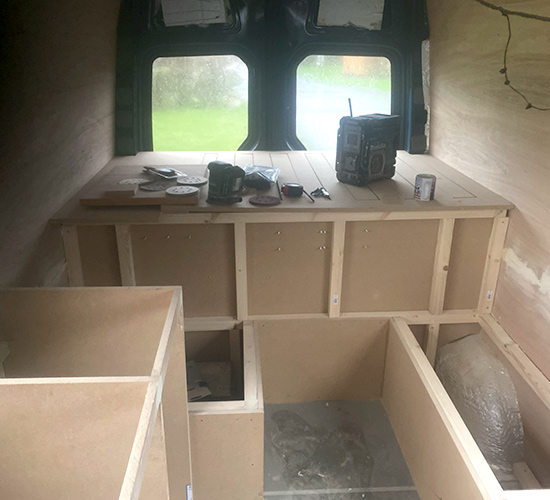
Probably the most popular solution to the problem of campervan expense is to carry out a campervan conversion instead. While such projects are often time-consuming, they are also very rewarding and can help an owner save considerable amounts of money.
After all, if you have unlimited time to make updates and changes to your converted camper, it can cost as much as you want, when you want.
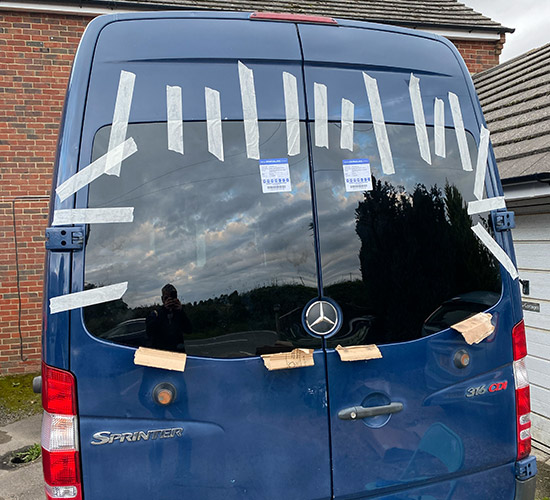
Popular vans to convert into campers include Renault Trafics, Ford Transits, and Mercedes Sprinters. Whether you choose to buy a new or used van will of course impact its price, however it’s important to realise that choosing a used van may end up being just as – if not more – expensive than a new one if you encounter mechanical problems. Be sure to do a thorough check on any second-hand vehicle before committing.
If you like the idea of a campervan conversion, it’s worth planning for the work involved and deciding who will take it on. Many buyers start out thinking they will do everything themselves, only to discover the project requires more time, tools, and expertise than expected. Calling in professionals can quickly increase costs, so having access to the right parts and advice from the start can make a huge difference.
That’s where our sister company Just Kampers comes in. When you insure with us, you’ll get 10% off campervan conversion parts and accessories at Just Kampers — from essential fittings and fixtures to clever space-saving solutions and stylish upgrades. With thousands of products designed specifically for campervans, you’ll find everything you need to bring your dream conversion to life.
Browse the full range here!
At Just Kampers Insurance, our team are avid camper enthusiasts. We have a wide scope of knowledge in all things campervan and are specialists in VW models in particular.
Please do get in touch regarding campervan advice, and to arrange the right kind of insurance you need. We provide insurance for a wide variety of models and needs, including campervan conversion insurance. Trusted with tailored policies since 1998, we’ve got you covered.
Summary
Buying a campervan can bring you endless joy and memories. However, they can be expensive due to the high-cost of materials, labour-intensive customisation, and popular demand. But there are a few things you can do to minimise costs, including buying second-hand, converting a camper yourself, or timing your purchase to match the seasons or dip in the market.
For more information about tailoring insurance policies to your campervan or motorhome, whether you’re after affordable premiums, or something with that little bit more protection, consider coverage from the experts at Just Kampers Insurance.
In this article
- Six Reasons Why Campervans are So Expensive
- 1. The labour costs to build a campervan are high
- 2. Campervan amenities are expensive to source and fit
- 3. Added extras and customisation cost more
- 4. Campervans need to be made with heavy-duty parts
- 5. The make and model make a difference
- 6. Supply and demand have a significant impact on price
- Is it cheaper to buy a second-hand campervan?
- How can I save money on a campervan?
- Buy a new campervan at the end of the tax year
- Wait until the end of the season
- Consider a campervan conversion project
- Summary